
Planting
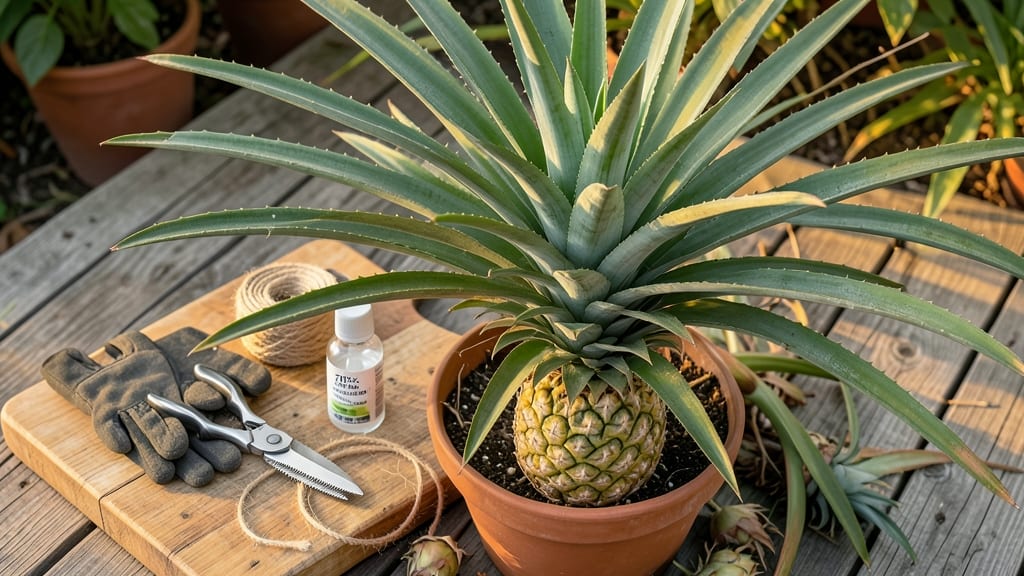
Learning how to cut a pineapple off the plant is easier than you think—just wait for the right moment. 🌱 The key is spotting when the fruit is ripe and using the proper technique to avoid damaging the plant.
I’ve harvested pineapples for years, and once you know the visual cues, you’ll never buy store-bought again.
First, check for a yellowing base and a sweet, fragrant smell at the fruit’s bottom. The leaves at the top should also start drying out.
Grab a sharp knife or pruning shears, sterilize them with rubbing alcohol, and cut about 1-2 inches below the fruit—this prevents rot from spreading to the plant.
After harvesting, the plant will still produce 1-2 more fruit over time. Just keep it in bright, indirect light, water moderately, and fertilize lightly every few months. The mother plant might even sprout pups (baby pineapples) at its base—these can be replanted for future harvests!
Common mistakes? Cutting too early (unripe fruit tastes sour) or using dull tools (which tears the plant). With the right approach, you’ll have juicy, sweet pineapples straight from your home—indoors or out—without any fuss.
📚 In This Guide
- What you need
- Instructions
- Tips and common mistakes
- Wrapping up and next steps
What you need
- ● Sharp, clean pruning shears or a serrated knife – A pair of bypass pruners (8–12 inches) works best for clean cuts. Sterilize with rubbing alcohol for hygiene.
- ○ Gloves (optional but recommended) – Heavy-duty gardening gloves protect against thorns and sap irritation.
- ● Rope or twine (1/4-inch thick, 3–4 feet long) – For securing the fruit if it’s heavy or awkward to handle.
- ● Disinfectant (rubbing alcohol or bleach solution) – Clean tools before and after use to prevent disease spread.
- ● Supporting surface (bucket, bowl, or tarp) – Place it under the pineapple to catch sap and prevent mess.
- ● Mature pineapple plant (18–24 months old) – Look for a golden or brown base and a sweet, fragrant scent at the fruit’s base.
- ● Stable weather conditions – Harvest on a dry, sunny day to minimize sap loss and rot risk.
- ● Patience (30–60 minutes) – Harvesting takes time, especially if the fruit is large or the plant is thorny!
- ○ Pruning sealant (optional) – A tree wound dressing can help protect the plant after cutting.
- ● Spray bottle with water – Keeps sap from sticking to your hands or tools.
- ● Sharpie or marker – Label the plant if you’re propagating from the crown!
Step-by-Step instructions for harvesting pineapples safely
Here's how to remove a ripe pineapple without harming the plant or wasting the fruit.
🌿 Step 1: Identify Ripeness and Prepare Tools
Look for a pineapple with a golden-yellow base and a sweet, fragrant scent at the stem. The fruit should feel heavy for its size and slightly give when gently squeezed. Gather a sharp knife (serrated works best), rubbing alcohol, and pruning shears—sterilizing tools prevents infection in the plant.
Wipe the knife blade with rubbing alcohol and let it dry. This ensures a clean cut that won’t introduce bacteria to the plant. I always do this outside near the plant to avoid tracking debris indoors. The goal is to sever the stem cleanly while leaving the plant healthy for future growth.
✂️ Step 2: Cut the Stem at the Right Angle
Stand the pineapple upright and locate the stem base where it meets the fruit. Make a 45-degree angle cut about 1-2 inches below the fruit, angling slightly upward toward the plant. This prevents water from pooling on the cut surface, which could rot the fruit or plant.
Use steady pressure—don’t saw back and forth. A single, smooth motion ensures the stem detaches cleanly. If the blade slips, you risk crushing the fruit or damaging the plant’s vascular tissue. I tap the knife lightly against the fruit first to mark my cut line before slicing.
🌱 Step 3: Remove the Fruit and Treat the Plant
Gently twist the pineapple while pulling upward to separate it from the stem. The fruit should come away easily if the cut was clean. Immediately wipe any sap from the plant’s cut surface with a damp cloth—this removes residual sugars that attract pests.
Leave the top 1-2 inches of the stem attached to the plant. This remnant can regrow into a new pineapple plant if you’re patient. For the fruit, rinse off any sap with water and let it dry in a shaded spot for 24 hours before storing. The drying process prevents mold from forming on the cut surface.
💧 Step 4: Care for the Plant After Harvest
Water the pineapple plant deeply within 24 hours of harvesting to help it recover. Avoid fertilizing for 4-6 weeks—the plant needs time to heal before resuming growth. Monitor the cut area for signs of rot or pests; if you see browning or insects, treat with a copper-based fungicide or neem oil spray.
If the plant is healthy, it may produce pups (offshoots) at the base within 3-6 months. These can be transplanted once they develop 3-4 leaves and a small root system. I’ve seen plants live for decades with proper care, producing multiple harvests over time.
⏰ Step 5: Store and Enjoy Your Pineapple
Store the harvested pineapple at room temperature for 2-3 days to ripen further, or refrigerate if you plan to eat it within 1 week. To eat, slice off the top, peel back the skin, and cut into wedges. The core can be blended into smoothies or juices—don’t waste a single bit!
Real talk: the first time I harvested a pineapple, I cut too close to the fruit and crushed it. Now I measure with my fingers—1-2 inches is about the width of two knuckles. Patience here saves frustration later. Enjoy your fresh, homegrown tropical treat!
Tips & tricks for perfect pineapple harvesting
These simple techniques will help you harvest your pineapple like a pro—without damaging the plant or wasting precious fruit.
The Angle Matters: That 45-degree angle in Step 2 isn't just arbitrary—it creates a clean break point that prevents water pooling. Think of it like cutting a cake at an angle to catch drips. The upward tilt toward the plant also helps direct any potential sap away from the fruit itself, which is especially important during rainy seasons. I've learned this the hard way after watching sap pool on my pineapple and attract fruit flies!
Tool Prep is Non-Negotiable: Skipping the rubbing alcohol step in Step 1 might seem like a small detail, but it's the difference between a healthy plant and one that develops bacterial infections. I always double-check my tools are completely dry after sterilizing—wet blades can actually introduce more bacteria than none at all. Pro tip: Use a paper towel to wipe the blade dry, then let it air dry for an extra 30 seconds before cutting.
Plant Recovery is Key: The 24-hour watering window in Step 4 is crucial for root regeneration. Don't rush this step—deep watering helps flush out any residual sugars from the cut that might attract pests. I've seen plants that were watered immediately after harvest develop rot within days because the sugar wasn't properly cleared from the system. For extra protection, I add a tablespoon of cinnamon to the water—it has natural antifungal properties.
Visual Cues for Perfect Timing: When you're twisting the pineapple in Step 3, look for the stem to separate with a clean "pop" sound. If it makes a tearing noise instead, you're pulling too hard and risking damage to the fruit. For the drying process, place your pineapple in a spot with indirect sunlight—direct sun can cause the skin to overheat and develop sunspots. The 24-hour drying period is your best defense against mold formation on the cut surface.
Pro Tips for Cut A Pineapple Off The Plant
- These simple techniques will help you harvest your pineapple like a pro—without damaging the plant or wasting precious fruit.
- The Angle Matters: That 45-degree angle in Step 2 isn't just arbitrary—it creates a clean break point that prevents water pooling.
- Tool Prep is Non-Negotiable: Skipping the rubbing alcohol step in Step 1 might seem like a small detail, but it's the difference between a healthy plant and one that develops bacterial infections.
Frequently asked questions
Got questions about harvesting pineapples? You’re not alone! Here are answers to the most common queries to help you confidently cut your pineapple without stress.
When is the best time to harvest a pineapple?
The ideal time is when the fruit is fully ripe—usually 21–24 months after planting. Look for a golden-yellow base, a sweet scent at the stem, and a slightly soft texture when gently squeezed. Overripe pineapples may ferment, so act fast!
What if my pineapple is still green or hard?
If your pineapple is firm and green, it’s not yet ripe. You can try accelerating ripening by placing it in a paper bag with a banana or apple for 2–3 days. Alternatively, wait a few more weeks and check again. Patience pays off!
Do I need a special knife to cut the pineapple?
No, but a sharp, clean knife (like a chef’s knife or serrated blade) works best. Avoid dull tools—they crush the fruit and make cutting messy. Sterilize your knife with rubbing alcohol for a smoother harvest and to prevent disease in the plant.
Will cutting the pineapple harm the plant?
If done correctly, no! Use a sterilized, sharp blade to cut just above the fruit’s base, leaving a small stem. The plant may produce pups (offshoots) afterward, which you can replant for future harvests. Just avoid tearing the leaves or leaving jagged cuts.
Can I harvest pineapples year-round?
Pineapples thrive in tropical climates (USDA Zones 10–12) and typically produce fruit once a year. If you’re in a cooler climate, grow pineapples in containers and bring them indoors during winter. With proper care, you can enjoy fresh pineapples for years!
Wrapping up and next steps
Harvesting a pineapple directly from the plant is a rewarding experience that connects you to nature’s bounty—plus, you’ll enjoy the freshest, juiciest fruit possible! 🌱 With the right tools, patience, and a few simple steps, you can safely remove the fruit without harming your pineapple plant.
Now that you’re equipped with the know-how, go ahead and give it a try—your taste buds (and your green thumb) will thank you!
Ready to take it further? Consider sharing your harvest with friends or experimenting with pineapple recipes! Happy growing! 🌟