
Planting
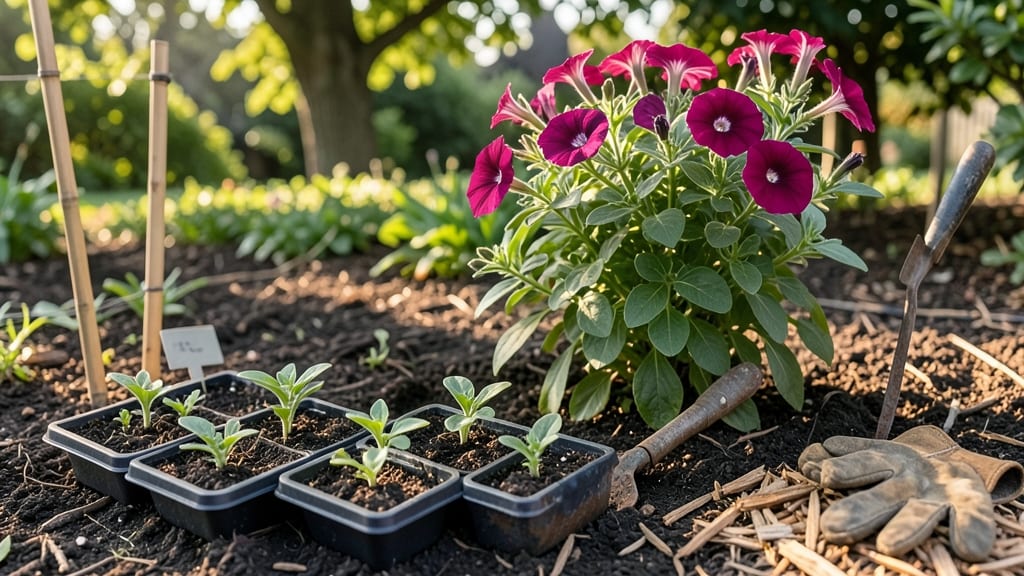
Planting petunias in flower beds turns dull spaces into bursting bursts of color that last all summer—no fuss required. ✨ The secret lies in matching their love of sun and well-draining soil with the right spacing and watering routine.
After my first attempt with crowded plants that flopped by July, I learned the simple tweaks that keep them thriving until frost. Start with loose, fertile soil mixed with compost—petunias hate soggy roots. Space plants 12-18 inches apart for full, airy blooms (crowding leads to leggy stems and fewer flowers).
Plant just below soil level, leaving the top leaves exposed to sunlight. Water deeply after planting, then keep soil consistently moist but never soggy—this is where most beginners go wrong. Within 2-3 weeks, you'll see compact, bushy plants covered in blooms. The key to long-lasting color?
Deadhead spent flowers regularly and feed with balanced fertilizer every 4-6 weeks. My beds stay vibrant until October with this simple routine. Works for borders, containers, or hanging baskets—just match the sun exposure. Here's how to do it right the first time!
📚 In This Guide
- What you need
- Instructions
- Tips and common mistakes
- Wrapping up and next steps
What you need
- ● Petunia plants: 5–10 plants per square foot (choose heat-tolerant varieties like 'Wave' or 'Supertunia' for long-lasting blooms).
- ● Well-draining potting mix: 1–2 bags (50 lb each) of peat-based or coconut coir mix (avoid heavy clay soil).
- ● Compost or organic fertilizer: 1 bag (20–30 lb) of balanced 10-10-10 or slow-release granules (follow package rates).
- ● Garden gloves: 1 pair (to protect your hands from thorns or rough soil).
- ● Hand trowel or transplant spade: 1 (6–8" wide) for digging small holes.
- ● Watering can or hose with a gentle spray nozzle: 1 (for deep but even watering).
- ○ Mulch (optional but recommended): 1 bag (2–3 cubic feet) of pine bark or shredded leaves (to retain moisture).
- ● Epsom salt: 1 small container (for magnesium boost if leaves look pale).
- ● Plant supports (for trailing varieties): 1–2 cages or stakes (if growing 'Supertunia Black' or 'Wave Purple').
- ● Soil pH tester: 1 (to ensure 6.0–7.0 pH range; petunias prefer slightly acidic to neutral soil).
- ● Slow-release fertilizer spikes: 10–20 (for monthly nutrient top-ups).
Step-by-step instructions for planting petunias in flower beds
Here's the simple, fuss-free method I use to create vibrant petunia displays that bloom all summer long.
🌱 Step 1: Choose the Perfect Location and Prepare the Soil
Petunias crave full sun—at least 6-8 hours daily—so scout your flower bed for the sunniest spot. I look for areas where other sun-loving plants have thrived in past seasons. Avoid spots where water pools after rain; petunias hate soggy roots.
Loosen the soil to a depth of 12 inches using a garden fork or tiller. Work in 2-3 inches of compost to improve drainage and fertility. Petunias prefer well-draining soil, so if your bed has heavy clay, mix in sand or perlite to lighten it. The goal is soil that holds moisture but never stays waterlogged.
🪴 Step 2: Space and Plant Your Petunia Starts
For 4 plants, dig holes 12-18 inches apart—this spacing gives mature plants room to spread without crowding. If you're planting trailing varieties like 'Wave' petunias, increase spacing to 24 inches so vines can cascade beautifully. Gently remove each plant from its container and tease apart any tangled roots.
Place each petunia in its hole so the top of the root ball sits just below soil level. Fill the hole with soil and press lightly around the base to eliminate air pockets. Water deeply right after planting to settle the soil and encourage roots to spread into the surrounding earth. You'll see new growth within 7-10 days if everything's right.
☀️ Step 3: Water and Mulch for Continuous Blooms
Water petunias deeply 2-3 times weekly, aiming for 1 inch of water per week. The key is consistent moisture—let the top 1-2 inches of soil dry out between waterings. I water in the early morning so foliage dries quickly, reducing disease risk. Avoid wetting the leaves when possible; water at the base instead.
Spread 2-3 inches of mulch around each plant, keeping it 2 inches away from the stems to prevent rot. I use shredded bark or straw because it breaks down slowly and improves soil as it decomposes. Mulch helps retain moisture and keeps roots cool during hot afternoons—critical for petunias in 75-85°F heat.
✂️ Step 4: Deadhead and Fertilize for Nonstop Color
Here's where the magic happens: deadhead spent blooms weekly by pinching off faded flowers with your fingers or pruners. This encourages the plant to produce more buds and flowers instead of setting seed. I make it a habit to check my petunias every morning—removing just a few spent blooms can trigger a fresh flush of color within days.
Feed petunias with a balanced liquid fertilizer (10-10-10) every 2-3 weeks during the growing season. I dilute it to half-strength because petunias are heavy feeders but can burn easily. Stop fertilizing in late summer to let plants prepare for fall. Watch for dark green, glossy leaves—that's your sign they're happy and well-fed.
🌿 Step 5: Maintain and Enjoy Your Petunia Display
Petunias are surprisingly low-maintenance once established. Watch for aphids or spider mites on the undersides of leaves, especially in dry heat. A strong spray of water usually washes them away, but for stubborn infestations, I use neem oil. Prune leggy stems back to encourage bushier growth—just snip above a leaf node with clean pruners.
As summer progresses, you might notice petunias getting a little ragged by late August. That's normal! At this point, I either replace them with fall-blooming varieties or let them go dormant naturally. The real reward comes when you step back and admire your vibrant, continuous blooms—petunias are the ultimate carefree summer stunners.
Tips & tricks for perfect petunia planting
These simple tricks will help you create a thriving petunia display that keeps blooming all summer without the fuss.
Sunlight Secret: That 6-8 hours of daily sun is non-negotiable for petunias. I've learned the hard way—shady spots mean fewer blooms and leggy plants. If your garden has partial shade, choose compact varieties like 'Supertunia' that tolerate slightly less sun. For maximum color, position your bed where petunias get morning sun and afternoon shade in hot climates.
Soil Prep Pro Tip: When loosening soil to 12 inches deep, take a moment to remove any rocks or debris larger than a quarter. These can create air pockets that prevent roots from spreading properly. For heavy clay soil, mix in sand or perlite—this improves drainage without compromising moisture retention. I test soil moisture by sticking my finger in; if it feels dry 1-2 inches down, it's time to water.
Planting Precision: The 12-18 inch spacing isn't arbitrary—it gives plants room to breathe and prevents disease spread. For trailing varieties, that extra 6 inches makes all the difference in how dramatically they cascade. After planting, give the soil a gentle squeeze around the base; this removes air pockets that could strangle new roots. Watering deeply right after planting helps settle the soil and encourages roots to spread outward.
Deadheading Discipline: That weekly deadheading might seem tedious, but it's the secret to continuous blooms. I set a reminder on my phone for every Sunday morning—just 5 minutes of pinching spent flowers can trigger a fresh flush of blooms within days. Use clean pruners or your fingers; the key is to remove the entire spent bloom plus the tiny seed pod forming underneath.
Pro Tips for Plant Petunias In Flower Beds
- These simple tricks will help you create a thriving petunia display that keeps blooming all summer without the fuss.
- Sunlight Secret: That 6-8 hours of daily sun is non-negotiable for petunias.
- Soil Prep Pro Tip: When loosening soil to 12 inches deep, take a moment to remove any rocks or debris larger than a quarter.
Frequently asked questions
Got questions about planting petunias? You’re not alone! Here are answers to the most common queries—so you can grow these vibrant blooms with confidence.
When is the best time to plant petunias in flower beds?
Plant petunias after the last frost in spring (typically late April to June, depending on your zone). For a fall display, start seeds indoors 6–8 weeks before your first frost or transplant young plants in early summer. Petunias thrive in warm soil and love basking in sunlight—so wait until temperatures stay above 50°F (10°C) at night!
How much sun do petunias need, and what if my garden isn’t sunny enough?
Petunias crave full sun (6+ hours daily), but they’ll tolerate partial shade (4–6 hours)—though blooms may be fewer. If your spot is shady, opt for trailing varieties like ‘Supertunia’ or mix petunias with shade-tolerant plants like impatiens. Just avoid deep shade; petunias will sulk without light!
What pests or diseases should I watch for, and how do I prevent them?
Petunias are generally low-maintenance, but keep an eye out for aphids, spider mites, or whiteflies. Spray with neem oil or insecticidal soap for mild infestations. For diseases, avoid overhead watering to prevent fungal issues like powdery mildew. Deadhead spent blooms regularly to encourage more flowers and reduce pests hiding in debris.
Can I plant petunias directly from seed, or should I buy starter plants?
Both work! Seeds take 8–12 weeks to bloom, so they’re best for patient gardeners or early starts indoors. For faster results, buy nursery starter plants—they’re easier to transplant and will flower in weeks. Pro tip: If starting from seed, use seed-starting mix and keep soil moist (not soggy) for best germination.
How often should I fertilize petunias, and what’s the best type?
Feed petunias every 2–3 weeks with a balanced, water-soluble fertilizer (10-10-10 or 20-20-20) during the growing season. For organic options, try fish emulsion or compost tea. Stop fertilizing in late summer to encourage blooms before frost. Over-fertilizing leads to lush leaves but fewer flowers—so follow the label!
Bonus Tip: How do I keep petunias blooming all season?
Deadhead spent flowers daily (or at least weekly) to prompt more blooms. Prune leggy stems to encourage bushier growth, and water at the base (not leaves) to avoid mildew. With these tweaks, your petunias will stay vibrant from spring to frost!
Wrapping up and next steps
Planting petunias in your flower beds is a rewarding way to add vibrant color and life to your garden with minimal effort! 🌸 With the right soil, spacing, and a little TLC, these cheerful blooms will thrive and keep your outdoor space buzzing all season long.
Now that you’re armed with the know-how, roll up your sleeves and get planting—your future floral masterpiece is just a shovel’s throw away!
Ready to take it further? Explore companion plants that pair beautifully with petunias, or dive into seasonal care tips to keep your garden looking its best year-round!