
Planting
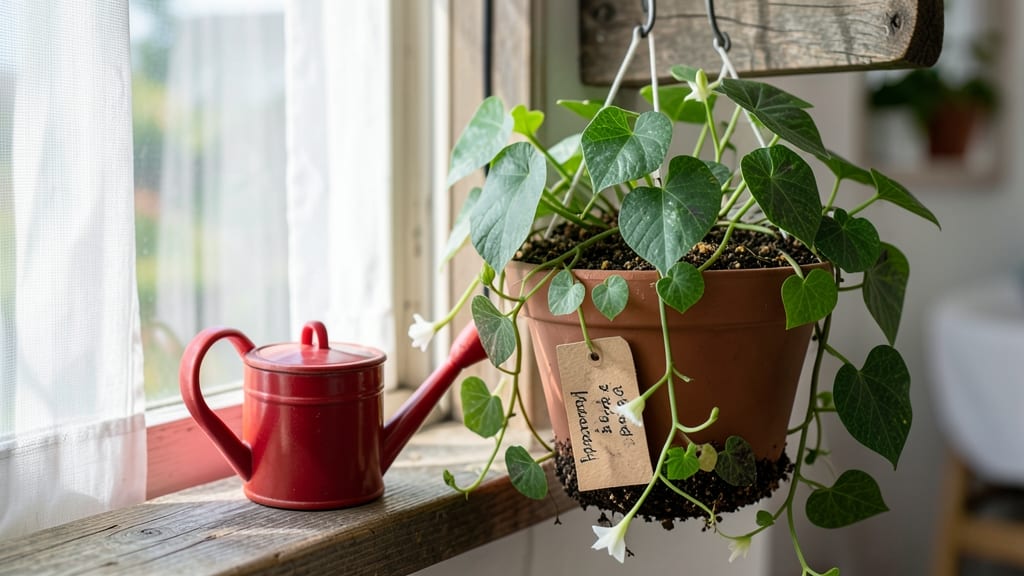
The care of an ipomea plant—those fast-growing, vibrant vines—can transform a boring fence into a living tapestry with minimal effort. 🌿 The key to their success lies in understanding their love for sun, their thirst for water, and their need for something sturdy to climb.
I've grown morning glories for years, and once you get the basics right, they practically take care of themselves. These plants thrive in well-draining soil with a touch of compost, but don't overthink it—even average garden soil works if you water consistently.
They need 6-8 hours of sunlight daily, so choose a spot where they won't be shaded by taller plants. The real magic happens when you give them a trellis, fence, or even a sturdy wire frame to twine around.
By midsummer, you'll be rewarded with bold blooms that open in the morning and close by afternoon—a daily show that never gets old. The secret to keeping them going strong? Regular watering, gentle pruning, and watching for pests like spider mites that love dry conditions.
Perfect for beginners, these vines grow fast and forgive mistakes. Let's get those roots growing!
📚 In This Guide
- What you need
- Instructions
- Tips and common mistakes
- Wrapping up and next steps
What you need
- ● Ipomoea seeds or cuttings: Seeds: 5–10 per pot (if starting indoors) or 2–3 per spot (direct sowing).
- ● Cuttings: 3–5 healthy stems (4–6 inches long) with 2–3 nodes each.
- ● Well-draining potting mix: 1–2 bags (1–2 cubic feet each) of lightweight, organic mix (e.g., 60% peat moss, 30% perlite, 10% compost).
- ○ Optional for outdoor planting: Loosen soil 12–18 inches deep and amend with compost (1–2 lbs per square foot).
- ● Containers (if indoors): 5–7-inch diameter pots (1 per seed or cutting) with drainage holes.
- ● Or a 12-inch hanging basket for trailing varieties.
- ● Watering can or spray bottle: With a fine rose nozzle for gentle watering.
- ● Fertilizer: Balanced liquid fertilizer (10-10-10 or 20-20-20) or slow-release granules (e.g., 5 lbs for outdoor beds).
- ● Trellis or support: 1–2 sturdy trellises, stakes, or fences (6–8 feet tall) for climbing varieties.
- ● Pruning shears: For trimming dead leaves or harvesting cuttings (sterilized with rubbing alcohol).
- ○ Gloves: To protect hands from thorny stems (optional for sensitive skin).
- ● pH testing kit: To check soil pH (ideal range: 6.0–6.8).
- ● Mulch (straw or shredded leaves): 2–3 inches thick to retain moisture.
- ● Plant labels: Waterproof markers to track varieties (especially if testing different types!).
- ● Sunlight: Full sun (6–8+ hours daily) for most varieties; partial shade (morning sun) for tropical types.
- ● Temperature: Seeds: 70–85°F (21–29°C) for germination.
- ● Established plants: Tolerates 50–95°F (10–35°C) but thrives in 75–85°F (24–29°C).
- ● Humidity: Moderate to high (40–70% ideal); mist leaves if air is dry (<30%).
- ● Water: Consistent moisture (1–1.5 inches per week); drought-tolerant once established.
Step-by-step instructions for growing thriving ipomea vines
Ipomeas are the easy-going climbers of the garden world—here’s how to keep them happy with just a few key moves.
🌱 Step 1: Choose the Right Spot and Support Structure
Ipomeas thrive in full sun to partial shade, so pick a location with at least 6 hours of sunlight daily. They love to climb, so install a sturdy trellis, fence, or pergola before planting. I use a 5-foot tall wooden trellis for my vines—it’s tall enough to support their rapid growth without toppling.
If you’re growing in containers, make sure the pot is at least 12 inches deep and wide, with drainage holes. Ipomeas have deep roots, so shallow pots will stunt their growth. Bury the trellis or support structure halfway into the soil to give the vines a head start climbing.
💧 Step 2: Plant and Water for Strong Root Establishment
Plant ipomea seeds or tubers in well-draining soil after the last frost when the soil temperature reaches at least 60°F. Dig a hole twice as wide as the root ball or seed packet depth (usually ½ inch deep for seeds). Space plants 12-18 inches apart to give them room to spread.
Water deeply right after planting to settle the soil around the roots. Ipomeas are drought-tolerant once established, but they need consistent moisture during their first few weeks. You’ll know they’re getting enough water when the soil feels damp 2 inches below the surface. Overwatering is the real enemy—it causes root rot, so let the top inch of soil dry out between waterings.
☀️ Step 3: Encourage Climbing and Prune for Bushiness
As soon as the vines reach 6 inches tall, gently guide them onto the trellis or support. Ipomeas twine naturally, so you don’t need to tie them—just let them wrap around the structure. If you’re growing in a container, weave the vines through the trellis to keep them contained.
Pinch back the tips of new growth when the vines reach 12-18 inches long to encourage bushier growth. This step is optional but helps create a fuller plant with more blooms. You’ll see new side shoots emerge within a week—that’s your cue that the pruning worked.
✂️ Step 4: Deadhead and Maintain for Continuous Blooms
Ipomeas bloom prolifically, but deadheading spent flowers keeps them producing. Snip off faded blooms with clean pruners just above a set of leaves. I do this every 2-3 days during peak bloom season to keep the plant looking tidy and encourage more flowers.
Fertilize lightly every 4-6 weeks with a balanced, water-soluble fertilizer (like 10-10-10) to support steady growth. Too much fertilizer can lead to lush foliage but fewer blooms, so stick to the recommended dosage. Stop fertilizing in late summer to help the plant prepare for dormancy.
⏰ Step 5: Prepare for Winter and Store Tubers (If Applicable)
Ipomeas are annuals in most climates, but if you’re growing a tuberous variety, dig up the tubers before the first frost. Cut back the vines to 6 inches tall and carefully lift the tubers from the soil. Let them dry in a shady spot for a few days, then store them in a cool, dry place (like a garage or basement) until spring.
If you’re growing from seeds, the plant will die back naturally in the fall. Simply cut the vines down to the ground and compost the debris. In warmer climates, ipomeas may self-seed, so you might see new sprouts popping up next season without any effort on your part.
Tips & tricks for perfect ipomea plant care
Here's what nobody tells you about keeping these vines thriving with minimal fuss.
Sunlight Secret: Ipomeas love their sun but can handle partial shade—especially in hotter climates where afternoon shade helps prevent wilting. I've seen them thrive with just 4 hours of morning sun if the rest of the day is cooler. Watch for leaves turning pale yellow—that's your cue to move them to slightly more shade during peak afternoon heat.
Support Structure Hack: Don't wait until the vines are climbing to install your trellis! Bury the support structure halfway into the soil during planting. This gives the vines an immediate anchor point to grab onto as they emerge, preventing that frustrating "whiplash" growth where they flop around before finding something to climb. A 5-foot trellis works perfectly for most varieties.
Watering Wisdom: The "2 inches damp" rule is spot-on, but here's the trick: water in the morning so excess moisture evaporates during the day. I use a moisture meter to check—if it reads dry at 2 inches, that's your watering signal. Overwatering is the #1 killer, so let the top inch dry out between sessions, especially after the initial planting phase.
Pruning Payoff: When you pinch back those 12-18 inch vines, you're not just shaping the plant—you're triggering a growth spurt. The new side shoots that emerge within a week will produce more flowers. I do this every 3-4 weeks during growing season to keep the plant bushy and blooming continuously. Just be gentle—don't tear the stems!
Pro Tips for Ipomea Plant Care
- Here's what nobody tells you about keeping these vines thriving with minimal fuss.
- Sunlight Secret: Ipomeas love their sun but can handle partial shade—especially in hotter climates where afternoon shade helps prevent wilting.
- Support Structure Hack: Don't wait until the vines are climbing to install your trellis!
Frequently asked questions
Got questions about keeping your Ipomoea (morning glory) vines happy? Here are some of the most common ones—and their easy solutions!
How often should I water my Ipomoea plant?
Water your Ipomoea when the top inch of soil feels dry, usually 2–3 times per week in warm weather. Overwatering can cause root rot, so ensure the pot has drainage holes. During droughts, give it a deep drink to encourage strong vines.
Can Ipomoea grow indoors, or is it strictly an outdoor plant?
While Ipomoea thrives outdoors, some varieties (like Ipomoea batatas, or sweet potato vine) can grow indoors with bright, indirect light and a trellis. Place near a south-facing window or use grow lights. Just avoid cold drafts—they hate temperatures below 50°F (10°C)!
Why are my Ipomoea leaves turning yellow?
Yellow leaves often signal overwatering, poor drainage, or nutrient deficiency. Check the soil—if it’s soggy, let it dry out. If leaves are crispy, it might be underwatering or low humidity. Feed with a balanced fertilizer every 4–6 weeks for a boost.
How do I encourage more flowers on my Ipomoea?
For bloom-heavy vines, deadhead spent flowers regularly and prune leggy growth. Place it in full sun (6+ hours/day) and fertilize with a phosphorus-rich formula (like 10-10-10) during blooming season. Bonus: A light pinch of Epsom salt can improve flower production!
Are Ipomoea vines toxic to pets or kids?
Most Ipomoea varieties are non-toxic to pets and humans, but some (like Ipomoea purpurea) may cause mild stomach upset if ingested in large amounts. Keep an eye on curious pets and wash hands after handling. When in doubt, opt for pet-safe varieties like Ipomoea batatas.
Still stumped? Drop your question below—we’re happy to help your vines flourish!
Wrapping up and next steps
Caring for an Ipomoea plant is all about embracing its easygoing nature—whether you’re growing it for its stunning blooms or lush foliage, a little patience and the right conditions will reward you with a thriving vine. 🌿 From choosing the perfect spot to keeping pests at bay, these tips ensure your Ipomoea flourishes with minimal fuss.
Now that you’re armed with the know-how, roll up your sleeves and give your plant the love it deserves! Ready to watch it climb and bloom? Start planting today—your green thumb is about to shine.