
Planting
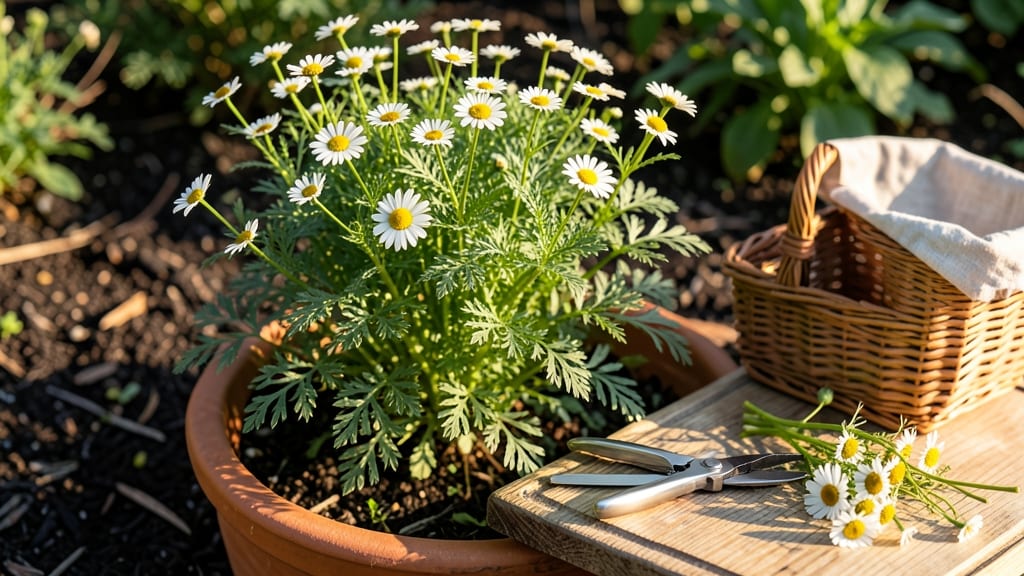
How to use the chamomile plant isn’t just about admiring its delicate white daisies—it’s your gateway to homemade tea, soothing skin remedies, and kitchen magic. 🌼 I’ve turned my backyard into a chamomile powerhouse, and the versatility of this plant never fails to impress. From calming cups of tea to gentle facial steams, it’s one of the most useful plants you can grow.
The best part? Chamomile thrives in partial sun to light shade, making it perfect for containers or garden edges. Start with seeds or transplants in early spring, and you’ll be harvesting within 8-12 weeks.
Prune regularly to encourage bushier growth, and save the dried flowers for tea or skincare—no fancy equipment needed.
Imagine sipping tea made from your own flowers or using dried petals in DIY face masks. The possibilities are endless, from stress relief to natural beauty routines. Once you see how easy it is to grow and use, you’ll want chamomile in every corner of your garden.
Works in zones 3-10, so whether you’re in a cold climate or warm region, this plant adapts. Just give it well-draining soil and consistent moisture, and you’ll have a year-round supply of chamomile goodness. Ready to grow your own?
📚 In This Guide
- What you need
- Instructions
- Tips and common mistakes
- Wrapping up and next steps
What you need
- ● Chamomile Seeds or Plants: German chamomile (Matricaria chamomilla) or Roman chamomile (Chamaemelum nobile) seeds (½ lb for planting)
- ● OR 3–5 mature chamomile plants (nursery-bought or propagated from cuttings)
- ● Growing Space: Well-draining soil (pH 6.0–7.0)
- ● Full sun to partial shade (4–6 hours of sunlight daily)
- ● Containers (6–12 inches deep) OR garden beds (if planting outdoors)
- ● Basic Gardening Tools: Trowel or small shovel
- ○ Gloves (optional but recommended)
- ● Watering can or hose with a gentle spray nozzle
- ● Harvesting Tools: Sharp scissors or pruning shears (sterilized with rubbing alcohol)
- ● Clean, breathable basket or bucket
- ● Drying Equipment: Drying rack or mesh screen
- ● Paper towels or clean kitchen towels
- ○ Dehydrator (optional, set to 95°F/35°C)
- ● Storage Containers: Air-tight glass jars or food-grade plastic containers
- ● Dark, cool pantry space (for long-term storage)
- ● Compost or organic fertilizer (for nutrient-rich soil)
- ● Pest control: Neem oil or insecticidal soap (if aphids appear)
- ● Infuser bags or loose-leaf tea strainer (for brewing)
- ● Culinary tools: Mortar & pestle (for grinding dried flowers into powder)
- ● Skincare add-ons: Carrier oil (like jojoba) for DIY chamomile balms
How to use a chamomile plant for tea, skin care, and cooking
This versatile herb deserves a spot in your garden—here's how to harness its soothing powers.
🌿 Step 1: Harvest Flowers at Peak Freshness
Pick flowers when fully open but before they brown, typically in the morning after dew has dried. Use clean, sharp scissors to snip stems just above a leaf node—this encourages bushier growth. I harvest my plants every 3-4 days during peak bloom to maintain steady production. Store harvested flowers in a paper bag in the fridge for up to 2 weeks, or dry them immediately for longer storage.
For drying, tie small bundles of stems and hang upside down in a dark, well-ventilated space. When completely dry (about 1-2 weeks), crumble the dried flowers into a jar. You'll know they're ready when they break easily between your fingers and smell intensely floral. Keep stored in an airtight container away from light to preserve potency for up to 1 year.
☕ Step 2: Prepare Calming Chamomile Tea
For every 1 cup of boiling water, use 1-2 teaspoons of fresh flowers or 1 teaspoon of dried flowers. Pour water over the flowers in a heatproof container, cover, and steep for 5-10 minutes—longer steeping intensifies flavor but may turn bitter. Strain through a fine mesh sieve or cheesecloth into your cup. I like to add a touch of honey if I'm using it for sleep, as the natural sweetness complements chamomile's mild bitterness.
For maximum relaxation, drink 30 minutes before bedtime. The apigenin in chamomile binds to brain receptors, promoting sleep quality. If you're using it for digestion, sip after meals—it helps soothe stomach cramps naturally. Never boil the flowers directly, as this destroys delicate compounds that make chamomile effective.
🧴 Step 3: Create Skin-Soothing Chamomile Infusions
Make a strong infusion by steeping ¼ cup dried flowers in 1 cup boiling water for 15 minutes, then strain. Use this liquid base to create a gentle facial toner by mixing equal parts with distilled water in a spray bottle. Apply with a cotton pad after cleansing—it reduces redness and calms irritated skin. For dry patches, mix the infusion with a few drops of almond oil to create a soothing compress.
For minor burns or rashes, apply a cool chamomile compress by soaking a clean cloth in the strained infusion and pressing it against the affected area for 5-10 minutes. The anti-inflammatory properties help reduce swelling. I keep a small bottle in my bathroom for quick touch-ups after shaving or sun exposure. Always do a patch test first—though rare, some people experience mild allergic reactions.
🍽️ Step 4: Incorporate Chamomile into Cooking
Add fresh or dried chamomile flowers to fruit salads for a delicate floral note—just a pinch enhances flavors without overpowering. I sprinkle them into yogurt with honey and berries for a sophisticated dessert. For savory dishes, use sparingly in soups or stews where you want subtle herbal undertones. Remove flowers before serving if you prefer a cleaner presentation.
Chamomile pairs beautifully with apples in baked goods. Toss a few dried flowers into apple muffins or pies for a fragrant twist. The flavor is mild but distinctive—think chamomile's cousin, the apple blossom. When using in cooking, always use dried flowers unless you're making fresh infusions, as the wet flowers can make baked goods soggy. Start with ½ teaspoon per recipe and adjust to taste.
⏰ Step 5: Maintain Plant for Continuous Harvests
After harvesting, trim stems back by ⅓ of their height to encourage bushier growth. Water deeply but infrequently—chamomile thrives in well-drained soil and resents soggy roots. I fertilize lightly with compost tea every 4-6 weeks during growing season, but chamomile is generally low-maintenance. Deadhead spent blooms regularly to redirect the plant's energy into new flowers rather than seed production.
Chamomile grows best in full sun to partial shade with 6-8 hours of sunlight daily. In hot climates, afternoon shade prevents flowers from burning. If your plant becomes leggy, it's getting too little light—consider moving it to a sunnier spot or thinning nearby plants. With proper care, one plant yields enough flowers for tea, skin care, and cooking for 4-6 people throughout the growing season.
Tips & tricks for perfect chamomile plant uses
These simple yet effective strategies will help you maximize every aspect of your chamomile plant's potential.
Harvesting Timing: The 3-4 day harvesting interval is ideal for maintaining steady production, but don't rush it. Flowers picked at the perfect stage—fully open but before they brown—yield the most potent tea and skin-soothing properties. I've found that harvesting in the morning after dew has dried preserves more of the delicate floral compounds, giving your chamomile a brighter flavor profile. Use a pair of clean, sharp scissors to avoid crushing stems, which can lead to faster wilting.
Drying Technique: When drying chamomile flowers, the key is patience. The 1-2 week drying time ensures complete moisture removal, which is crucial for preserving potency. I recommend hanging small bundles upside down in a dark, well-ventilated space—this prevents mold growth while allowing air to circulate. Once dry, the flowers should crumble easily between your fingers and release an intense floral aroma. Store them in an airtight container away from light to maintain their soothing properties for up to 1 year.
Tea Steeping Science: The 5-10 minute steeping range is perfect for balancing flavor and potency. For sleep support, I prefer the longer end of the spectrum—closer to 10 minutes
Skin Care Enhancement: For the strongest infusion in Step 3, use the full ¼ cup dried flowers in 1 cup boiling water and steep for the full 15 minutes. This concentrated liquid forms the base for your facial toner and compresses. To create a soothing compress for minor burns or rashes, soak a clean cloth in the strained infusion and apply it for 5-10 minutes. The anti-inflammatory properties work best when the infusion is fresh, so I keep a small bottle in my fridge for quick touch-ups after shaving or sun exposure.
Pro Tips for Use Chamomile Plant
- These simple yet effective strategies will help you maximize every aspect of your chamomile plant's potential.
- Harvesting Timing: The 3-4 day harvesting interval is ideal for maintaining steady production, but don't rush it.
- Drying Technique: When drying chamomile flowers, the key is patience.
Frequently asked questions
Got questions about using chamomile? We’ve got answers!
Whether you’re brewing tea, growing your own, or experimenting with its soothing properties, here are some common queries—and expert tips to help you get the most out of this versatile plant.
Can I grow chamomile indoors?
Chamomile thrives in pots with plenty of sunlight (at least 6 hours daily). Use well-draining soil and a container with drainage holes. German chamomile (a common variety) grows best indoors, while Roman chamomile may need outdoor conditions. Keep the soil moist but not soggy—overwatering is the #1 killer!
How long does chamomile tea stay fresh?
Brewed chamomile tea stays best for 24–48 hours in the fridge if stored in an airtight container. For maximum flavor and potency, refrigerate it and reheat gently (don’t microwave!). Discard if it smells off or develops mold. Pro tip: Add a splash of honey or lemon to extend freshness!
What’s the difference between German and Roman chamomile?
| German Chamomile | Roman Chamomile |
|---|---|
| Strong, earthy flavor; best for tea. | Sweeter, apple-like taste; often used in skincare. |
| Hardier; grows well in cooler climates. | More delicate; prefers Mediterranean climates. |
| Contains more sesquiterpene lactones (anti-inflammatory). | Rich in bisabolol (soothes skin and digestion). |
Is chamomile safe for everyone?
While chamomile is generally safe, avoid it if you’re allergic to ragweed, daisies, or chrysanthemums—cross-reactivity can occur. Pregnant women should consult a doctor before consuming large amounts. Side effects are rare but may include drowsiness or mild digestive upset. Always start with small doses!
What can I do with chamomile if I don’t want to drink it?
Chamomile is a multitasker! Steep dried flowers in hot water for a calming compress (great for under-eye puffiness or sore muscles). Mix powdered chamomile into face masks for glowing skin, or infuse it in oil for a soothing massage blend. Even your pillowcase can benefit—sprinkle dried flowers on it for a natural sleep aid!
Wrapping up and next steps
From soothing tea to skincare remedies and even culinary surprises, the chamomile plant is a versatile powerhouse waiting to be explored! 🌿 Whether you’re growing it for relaxation, beauty, or flavor, its gentle yet potent benefits make it a must-have in any home garden or kitchen.
Now that you know how to use chamomile plant effectively, why not start small?
💡 Next steps:
- Try brewing a cup of chamomile tea tonight for a cozy, stress-free evening.
- Experiment with homemade skincare recipes using dried flowers.
- Share your chamomile adventures with friends—maybe they’ll join you in growing their own!