
Planting
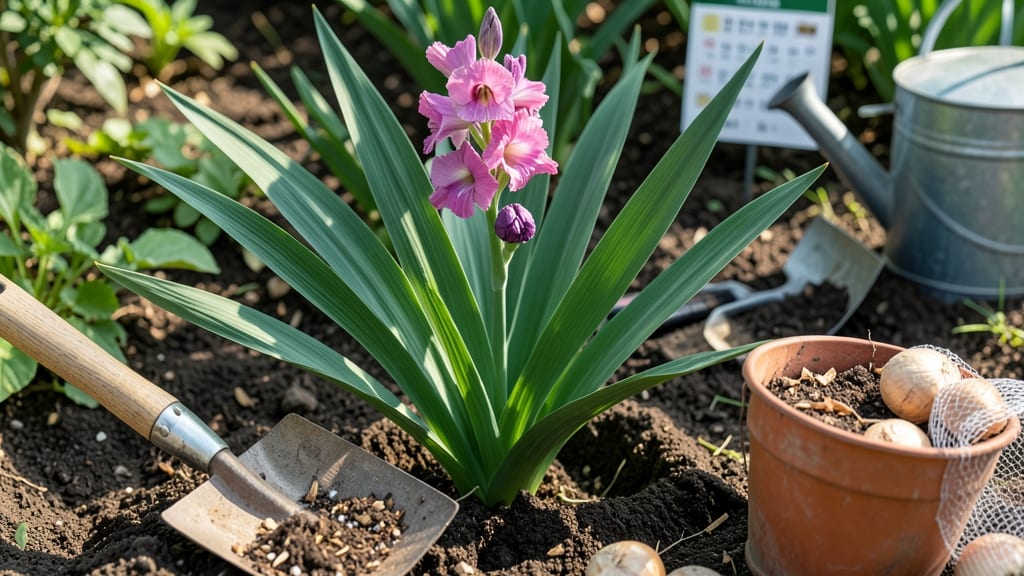
Is it too late to plant gladiolus? Planting gladiolus corms late in the season can still yield stunning blooms—if you know the right tricks for your zone and soil.
You’ve probably heard that gladiolus thrive when planted in mid-spring to early summer, but what if you missed that window? The truth is, many gardeners in USDA Zone 6a and warmer still get gorgeous 🌸 displays by pushing the timeline, especially with heat-tolerant varieties.
The key lies in timing, soil prep, and a few pro tips that turn "too late" into "just in time."
In this guide, I’ll break down the late-season planting rules by climate zone, highlight the best heat-resistant gladiolus varieties for extending your blooms, and share how to prep soil and water for maximum success—even when summer’s peak is fading. No more guessing whether your corms will survive or flourish.
Whether you’re working with a small container garden or a full sunbed, you’ll learn how to calculate your last safe planting date, adjust care for warm soil, and even coax extra blooms from a slightly delayed start. Let’s get those gladiolus growing!
Gladiolus planting deadlines: late-season rules by USDA Zones
If you're staring at those gladiolus corms in late summer wondering whether it's too late to plant, the answer depends on your USDA zone and the variety you've chosen.
While traditional wisdom says gladiolus thrive when planted in spring to early summer, heat-tolerant varieties can stretch your planting window well into August or even September in warmer climates.
Your last safe planting date hinges on two critical factors: your frost risk and the days to maturity of your gladiolus variety. Most gladiolus need 90-120 days to bloom after planting, so late-season plantings must account for fall frost dates and warm soil temperatures that encourage root growth.
| USDA Zone | Last Safe Planting Date | Heat-Tolerant Varieties | Days to Bloom |
|---|---|---|---|
| Zone 3-4 | Early June (strict) | 'Picasso' (red-pink) | 110-120 days |
| Zone 5-6 | Mid-July (with heat lovers) | 'Telemon' (salmon) | 90-100 days |
| Zone 7-8 | Early August (extended) | 'Green Star' (chartreuse) | 85-95 days |
| Zone 9-10 | September (year-round possible) | 'Black Star' (deep purple) | 75-85 days |
🌱 Note: Use black plastic mulch to warm soil in cooler zones
For USDA Zones 3-4, your window closes by early June—any later and frost will likely kill emerging shoots. But in Zones 5-6, you can push it to mid-July if you choose fast-blooming varieties like 'Telemon' or 'Picasso'.
These heat-tolerant types handle warm soil temperatures better than traditional gladiolus.
In Zones 7-8, you've got flexibility until early August. This is where 'Green Star' shines—its chartreuse blooms thrive in late-season heat. For Zones 9-10, consider gladiolus a year-round possibility, though fall plantings may need winter protection if temperatures drop below 40°F.
To calculate your personal deadline, subtract your days to bloom from your average first frost date. For example, if your frost arrives October 15 and your variety blooms in 90 days, plant by July 15. Use the National Weather Service frost predictor for your exact location.
One game-changer for late plantings is black plastic mulch. It raises soil temperatures by 5-10°F, helping roots establish faster in cool autumn soil. Simply lay the mulch 2 weeks before planting and remove it once shoots emerge to prevent overheating.
Remember that late-season gladiolus may produce fewer but larger blooms. The plant focuses energy on root development first, then shifts to flowers. If you're aiming for maximum stems, prioritize early August plantings in Zones 7-8 and use high-phosphorus fertilizer at planting.
If you're in Zone 9-10 and still unsure, try container growing. Gladiolus do well in 5-gallon pots with well-draining mix, letting you move them indoors before frost. Just ensure pots have drainage holes and use lightweight potting soil to prevent root rot.
Don't let the calendar dictate your gardening—experiment with heat-tolerant varieties and soil warming tricks to extend your gladiolus season. Even a single late-blooming stem in autumn adds stunning vertical interest to your garden. 🌸
5 Heat-tolerant gladiolus varieties perfect for late planting
If you're still holding onto gladiolus corms after summer’s peak planting window, don’t toss them! Heat-tolerant varieties can thrive when planted late, delivering stunning blooms even in warm soil. These five standout types defy traditional deadlines by handling summer heat better than classic varieties—making them perfect for late-season gardeners.
Traditional gladiolus often struggle when planted after mid-July due to bolting risks and heat stress. But these heat-resistant selections adapt better, producing vibrant flowers even when soil temperatures climb. Their secret? Thicker corms and disease-resistant foliage that keep growing strong under intense sunlight.
'Telemon' tops the list with deep red blooms that pop against summer foliage. This variety thrives in 80°F+ soil and produces 3-4 flower spikes per corm—ideal for cut flower gardens. Its thick stems resist heat-induced wilting, making it my go-to for August plantings.
'Picasso' dazzles with bicolor blooms (white with purple edges) and handles late-season heat like a champ. Unlike traditional types, it won’t bolt prematurely when planted in early August. For best results, pair it with morning watering to prevent fungal stress from evening humidity.
'Green Star' is a dwarf variety (2-3 ft tall) perfect for container gardens or small spaces. Its chartreuse blooms stand out in heat-stressed gardens and re-blooms reliably when given consistent moisture. This is my secret weapon for September plantings in Zone 8+.
'White Prosperity' lives up to its name with pure white flowers that reflect sunlight—reducing heat absorption. It’s 30% more drought-tolerant than standard gladiolus, making it ideal for water-conscious gardeners. Plant it 6 inches deep in well-draining soil to avoid root rot in summer’s peak.
For bold contrast, try 'Black Star', a near-black variety that absorbs heat instead of reflecting it. While it requires extra mulching to protect roots, its dramatic blooms more than make up for the effort. Deadhead spent blooms to encourage second flushes in cool evenings.