
Planting
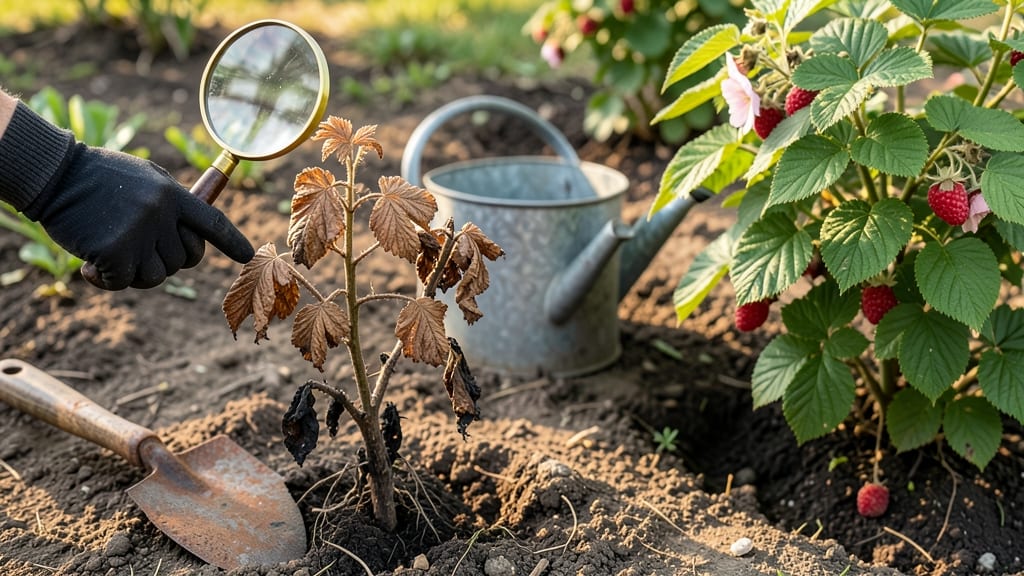
Is my raspberry plant dead? Your raspberry canes might look dead, but they could still bounce back—here’s how to tell for sure. 🌱 The key is checking three things: the brown stems, the roots, and whether new growth appears after pruning.
I’ve saved multiple plants this way, even when they looked hopeless. Start by cutting back one-third of the canes—healthy plants will respond with fresh green shoots within 2-3 weeks.
If the roots are still white and firm (not mushy or black), there’s a good chance your plant is just dormant. Many gardeners mistake winter dormancy for death, but raspberries are tougher than they look. When you see new buds or tiny leaves emerge, you’ve got a fighting chance.
Even if the canes are brittle, the roots might still be alive. If nothing happens after 4-6 weeks, though, it’s time to dig deeper—literally—to check for rot or pests. The good news?
Even if it’s dead, you can replace it with a new cane from a neighbor’s plant or a nursery. Raspberries spread fast, so this could be your chance to upgrade to a more productive variety.
Hidden Killers Behind Wilted Canes
Raspberry plants are tough, but even the hardiest canes can succumb to silent threats—often before you notice. Understanding these causes helps you act fast and save your plant. Here’s why your raspberry might be looking like it’s checked out for good:
Raspberries thrive in USDA Zones 5–9, but extreme temperatures can shock them into dormancy—or worse. Heatwaves above 90°F (32°C) cause wilting, leaf scorch, and cane collapse, while sudden freezes below 20°F (-7°C) trigger cellular damage in the vascular system.
- How it happens: - Heat stress: High temps force stomata (leaf pores) to close to retain moisture, halting photosynthesis. Canes weaken and flop like overcooked noodles. 🍜 - Cold damage: Ice crystals form in plant cells, rupturing membranes and blocking water flow.
Affected canes turn black or mushy. - Actionable fix: - Shade cloth (30–50%) during summer peaks. - Mulch heavily (4–6 inches of straw or wood chips) to insulate roots in winter. - Water deeply in heatwaves (1–2 inches per week) to cool soil.
A raspberry’s roots are its lifeline—when they fail, the whole plant follows. Drowning, drought, or compacted soil strangle nutrient uptake, leading to sudden wilting.
- Drowning: - Symptoms: Yellowing leaves, blackened roots, and a sour, rotten smell at the base. - Why it happens: Waterlogged soil cuts off oxygen, causing anaerobic bacteria to feast on roots.
In 2–3 days, roots suffocate. - Fix: Improve drainage with gravel or raised beds. Never let soil stay soggy for >48 hours.
- Drought Stress: - Symptoms: Crispy, curled leaves; canes that snap when bent. - Why it happens: Raspberries need 1–1.5 inches of water weekly.
Prolonged dry spells force canes to transpire faster than roots can supply water, leading to vascular cavitation (air bubbles blocking xylem tubes). - Fix: Drip irrigation or soaker hoses to deliver water at the root zone. Mulch to retain moisture.
- Compacted Soil: - Symptoms: Slow growth, stunted canes, and roots that look dark and gnarled. - Why it happens: Heavy foot traffic or clay soil crushes soil pores, reducing oxygen.
Roots suffocate and can’t absorb water/nutrients. - Fix: Aerate with a garden fork or add compost to loosen soil.
Fungi and bacteria are raspberry plant assassins, often masquerading as environmental issues. Here’s how they strike:
| Disease | How It Spreads | Telltale Signs | Your Move |
|---|---|---|---|
| Verticillium Wilt | Soilborne fungus in infected plants/soil | Yellowing leaves, wilting (even with water), black streaks in stems when cut. | Remove infected canes immediately. Rotate crops; avoid planting raspberries in the same spot for 5+ years. |
| Botrytis (Gray Mold) | Humid conditions + dead tissue | Fuzzy gray mold on canes/leaves, mushy fruit. | Prune for airflow; apply copper fungicide at first sign. |
| Crown Gall | Bacteria (Agrobacterium) in wounds | Gall-like lumps at cane base, stunted growth. | Cut out galls (sterilize tools with 70% alcohol). Avoid wounding canes. |
💡 Pro Tip: If you suspect disease, test a sample at your local Cooperative Extension Service—they’ll confirm the culprit and recommend treatments.
Insects don’t just nibble—they drill, suck, and inject toxins, turning your raspberry into a zombie plant.
- Japanese Beetles & Spider Mites:
- Damage: Webbing on leaves, silver stippling, and wilting from sap loss.
- Fix: Neem oil spray or soapy water (1 tsp dish soap per gallon of water). Release beneficial nematodes for mites.
- Raspberry Crown Borer:
- Damage: Sawdust-like frass at cane base, hollow stems (cut open to check).
- Fix: Wrap lower canes with aluminum foil (borers can’t penetrate). Remove infested canes and burn them.
- Root Weevils:
- Damage: Chewed roots, sudden wilting (even with water).
- Fix: Beetle traps (ammonia-soaked rags) and diatomaceous earth around the base.
Even healthy soil can run out of key nutrients, leaving your raspberry malnourished and weak.
| Deficiency | Symptoms | Why It Happens | Fix It Fast |
|---|---|---|---|
| Nitrogen (N) | Yellow lower leaves, stunted canes | Soil depletion or poor organic matter. | Blood meal (1 tbsp per plant) or compost tea. |
| Potassium (K) | Brown leaf edges, weak stems | Overwatering leaches K from soil. | Wood ash (1 cup per plant) or banana peel tea. |
| Magnesium (Mg) | Yellow patches between leaf veins | Compacted or acidic soil. | Epsom salt (1 tbsp in 1 gallon water, spray foliarly). |
| Calcium (Ca) | Blossom end rot (on fruit), cracked canes | Poor drainage or high pH (>7.0). | Crushed eggshells or lime (if soil pH <6.0). |
🌡️ Soil Test First! Before guessing, test your soil’s pH and nutrient levels (kits cost ~$20). Raspberries prefer pH 5.5–6.5.
Sometimes, human error does the damage. Raspberries need strategic pruning, not butchery.
- What kills them:
- Cutting into old wood (brown, woody canes >2 years old) removes the plant’s energy reserves.
- Removing too many canes at once (keep 5–7 strongest canes per plant).
- Rough handling (e.g., dragging canes) damages vascular tissue.
- Fix:
- Prune in late winter/early spring—remove only last year’s canes (green, flexible ones).
- Sanitize tools with rubbing alcohol to prevent disease spread.
Fertilizers, herbicides, or even well-intentioned overwatering with salty tap water can fry your raspberry’s roots.
- Symptoms:
- Brown, crispy leaf edges (salt burn).
- Bleached or blackened canes (herbicide drift).
- Slow growth despite watering (fertilizer burn).
- Fix:
- Flush soil with rainwater (avoid chlorinated tap water).
- Use organic fertilizers (compost, worm castings) to avoid salt buildup.
- Test water hardness—if it’s >120 ppm, use a rain barrel or reverse osmosis system.
Revive Your Raspberry Canes Fast
If your raspberry plant looks like it’s checked out, don’t toss it just yet! With the right care, you can often bring it back to life. Below are targeted fixes based on the most common causes of decline—plus tips to keep your plant thriving long-term.
Signs: Soft, mushy stems, yellow leaves, or a foul smell at the base.
How to Revive:
- 🔥 Stop Watering Immediately
- Let the soil dry out completely before watering again. Stick your finger 2 inches deep—if it’s soggy, wait.
- 🍳 Prune the Damaged Parts
- Use sterilized scissors to cut away any blackened, mushy canes or roots. Healthy tissue should be firm and green.
- 👨🍳 Improve Drainage
- Mix perlite or coarse sand into the soil (or repot if needed) to prevent waterlogging. Ensure pots have drainage holes.
- 🥘 Move to a Warmer Spot
- Cold, damp soil worsens rot. Relocate to a sunny, sheltered area (6+ hours of light).
💡 Prevention Tip:
- Water deeply but infrequently—raspberries hate "wet feet." Mulch with straw to regulate moisture.
Signs: Dry, brittle leaves, curled edges, or soil pulling away from the pot.
How to Revive:
- 🌡️ Check Soil Moisture
- If the top 1–2 inches are bone-dry, it’s time to water. Use room-temperature water to avoid shocking roots.
- 💧 Water Slowly and Deeply
- Pour water until it drains from the bottom. Avoid shallow sprinkles, which dry the surface fast.
- ✨ Provide Shade (Temporarily)
- If leaves are scorched, move the plant to partial shade for a week to recover.
- 🎯 Boost Humidity (If Indoor)
- Place a tray of pebbles + water nearby or mist leaves lightly in the morning.
💡 Prevention Tip:
- Morning watering reduces evaporation. Group plants together to create a microclimate.
Signs: Pale leaves, weak canes, or tiny/no berries despite healthy-looking foliage.
How to Revive:
- 📊 Test Your Soil
- Use a DIY soil test kit (or send a sample to a local extension office). Raspberries thrive in slightly acidic soil (pH 5.5–6.5).
- 💪 Fertilize Right
- Spring: Apply a balanced fertilizer (10-10-10) or compost around the base.
- Summer (for fruiting): Switch to a low-nitrogen, high-phosphorus feed (like 5-10-10) to encourage berries.
- Avoid over-fertilizing—too much nitrogen = leafy but barren plants.
- 🥗 Add Organic Matter
- Mix in well-rotted manure or worm castings to replenish nutrients naturally.
💡 Prevention Tip:
- Feed in early spring (before new growth) and after harvest to support next year’s fruit.
Signs: Holes in leaves, white webbing, orange specks, or dark spots with yellow halos.
How to Revive:
- 🔪 Prune Infested Parts
- Remove all affected canes and leaves. Dispose of them in the trash (not compost).
- 🧼 Clean Up Debris
- Rake away fallen leaves and mulch from around the plant to eliminate hiding spots.
- 🛡️ Treat Naturally
- Spider mites: Spray with neem oil (1 tbsp per gallon of water) or a soapy water mix (1 tsp mild soap per quart).
- Fungal diseases (rust/blight): Apply baking soda spray (1 tsp baking soda + 1 tsp oil + 1 quart water) or copper fungicide.
- 🌿 Strengthen the Plant
- After treatment, fertilize lightly with compost to help it recover faster.
💡 Prevention Tip:
- Rotate crops if growing raspberries in the same spot yearly.
- Space plants 2–3 feet apart for airflow (disease hates dry leaves!).
Signs: Sudden wilting in fall/winter, blackened tips, or canes snapping easily.
How to Revive (If Not Too Late):
- 🍂 Protect from Frost
- Cover young canes with burlap or frost cloth if a hard freeze is forecasted.
- 🥶 Mulch Heavily
- Pile 4–6 inches of straw or leaves around the base to insulate roots.
- 🌿 Prune Smartly
- In late winter, cut back dead canes (they’ll be brown and brittle) but leave green canes—they’ll regrow.
💡 Prevention Tip:
- Fall prep is key! Fertilize in early fall to harden off plants before winter.
If the roots are mushy, the center is hollow, or the plant won’t respond in 2–3 weeks, it may be beyond saving. But don’t despair—take cuttings from healthy canes to propagate new plants!
Pro Tip: 🌱 Save a cane cutting! Snip a 4–6 inch section from a healthy part, dip in rooting hormone, and plant in moist soil. You’ll have a fresh start in weeks!
Frequently asked questions
How can I tell if my raspberry plant is just dormant vs. actually dead?
Check for green buds or new shoots—even tiny ones—after pruning one-third of the canes. Healthy roots (white and firm) mean life, while mushy or black roots confirm death. Wait 2-3 weeks for spring growth before giving up!
What should I do if my raspberry canes are brown but the roots look healthy?
Brown canes aren't always death sentences! Prune them back to green growth and fertilize lightly with compost. New shoots should emerge within 2-4 weeks if the roots are alive. Mulch heavily to protect remaining canes from temperature swings.
Can I save a raspberry plant with blackened tips but otherwise healthy leaves?
Yes! Blackened tips often signal cold damage or fungal issues. Prune affected areas with sterilized scissors, then spray with neem oil (1 tbsp/gallon) to prevent spread. Keep soil moist but not soggy—healthy leaves can regenerate the plant.
How long should I wait before declaring my raspberry plant truly dead?
Give it 4-6 weeks in spring before deciding. Dig up a small section of root to check for firm, white tissue. If you see no new growth after this period and roots are mushy, the plant is likely beyond saving. Take cuttings from healthy canes to propagate new plants!