
Planting
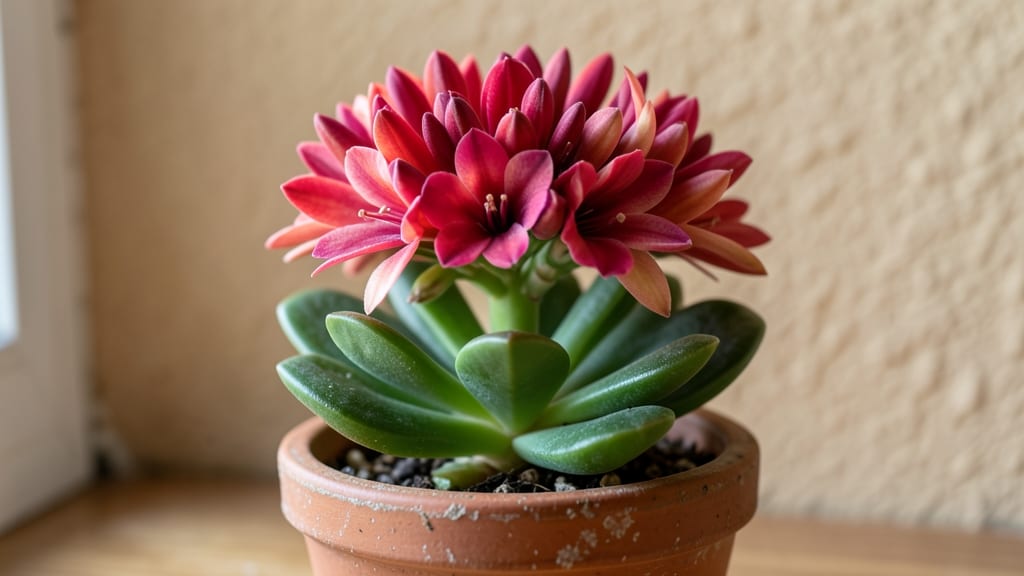
Kalanchoe plants thrive in USDA hardiness zones 10 through 12, where they can handle only brief light frosts and temperatures staying above 32°F (0°C). These tropical succulents will suffer permanent damage if exposed to freezing or colder conditions.
Kalanchoes are tropical plants, so their cold sensitivity comes from their high water content and delicate cell structures. 🌱 Unlike hardy succulents like sedum, they can't handle frost—even a single night below 32°F (0°C) can cause brown leaf edges or root rot.
In cooler climates, I always move mine indoors before temperatures dip, using bright windowsills to compensate for reduced sunlight.
If you're determined to grow kalanchoes outside their native zones, container gardening is your best bet. Terracotta pots help prevent root rot, and wrapping pots in bubble wrap during winter adds an extra layer of protection.
For plants that do get frost damage, you can often propagate new growth from healthy stems—just trim off the damaged parts and root them in fresh soil.
💡 In This Article
- Understanding Kalanchoe Cold Tolerance and Temperature Limits
- How to Grow Kalanchoe in Cooler Climates: Container Care and Winter Protection
Understanding kalanchoe cold tolerance and temperature limits
Kalanchoes' cold sensitivity stems from their tropical origins and high water content—typically 85-90% of their weight—compared to 70% in hardier succulents like agave. Their cells contain delicate membranes that rupture when exposed to freezing temperatures, causing irreversible damage.
Unlike desert-adapted succulents, kalanchoes lack the protective waxy coatings that prevent water loss in extreme heat or cold.
The critical threshold for damage occurs at 32°F (0°C), where ice crystals form within leaf tissues, disrupting cellular functions. Prolonged exposure to 28°F (-2°C) or below triggers root rot and leaf necrosis, turning edges brown and crispy.
Even brief frosts can stunt growth by 30-50% in a single season, as the plant diverts energy from flowering to survival. 🌡️
Comparing kalanchoes to other succulents highlights their fragility: sedum thrives in zones 3-9, while echeveria handles 5-10. Kalanchoes' tropical nature means they prioritize rapid growth over cold resistance, making them ideal for greenhouses or indoor gardens where temperatures stay above 50°F (10°C) year-round.
Their roots, which absorb water quickly, are especially vulnerable—excess moisture in cold soil accelerates rot.
Frost damage manifests in two stages: first, the leaves develop blackened margins from ice crystal formation, followed by soft, mushy stems as cell walls collapse. Roots turn brown and emit a foul odor when severely affected.
The good news? Kalanchoes often regenerate from healthy basal leaves or stems if you act quickly by removing damaged parts and propagating in 70°F (21°C) conditions with bright indirect light.
What most gardeners overlook is how humidity affects cold tolerance. High humidity (60%+) during cold snaps worsens damage by slowing the plant's ability to regulate temperature. In contrast, dry air (40% humidity) allows kalanchoes to maintain slightly better resilience.
This is why indoor cultivation—with controlled humidity—often yields healthier plants in cooler climates. 💧
For those in marginal zones (9-10), microclimates near south-facing walls or under patio covers can extend the growing season by 4-6 weeks**. These protected areas trap heat during the day and release it slowly at night, keeping soil temperatures above the critical 32°F (0°C) threshold.
Monitoring with a soil thermometer ensures you catch temperature drops before they cause irreversible harm.