
Planting
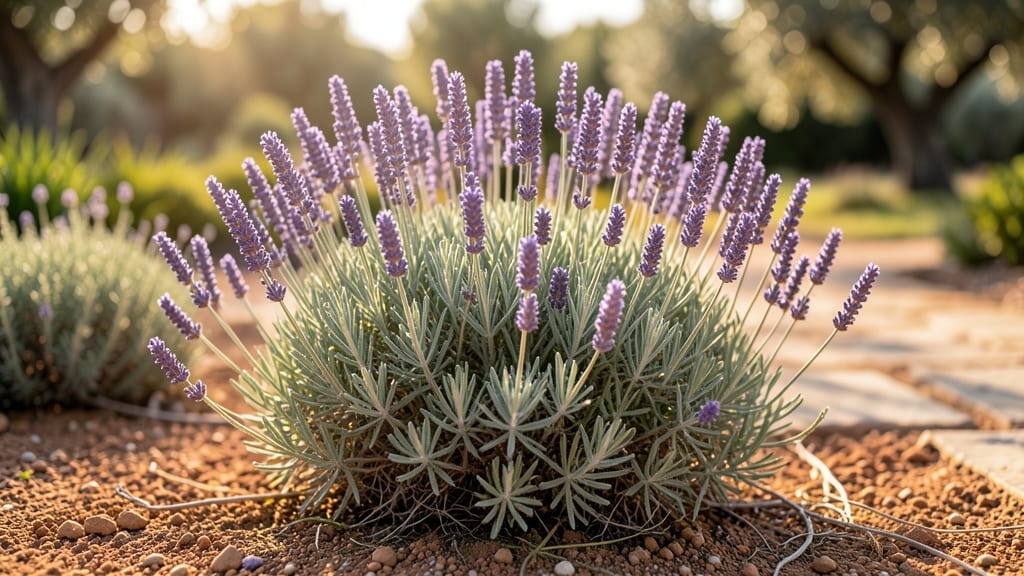
A lavender plant Christmas tree brings holiday magic without the mess. 🌿 I swapped plastic ornaments for silvery-green lavender spikes last year, and the scent alone made our front yard feel like a Provençal village—no pine needles in sight.
The beauty of this idea? Lavender thrives in winter with minimal care. Bundle 3-5 mature plants together, tie them loosely with burlap, and place them near your porch or entryway. Their woody stems hold up beautifully, and the calming purple adds a sophisticated twist to traditional evergreens.
By December, you’ll have a scented centerpiece that doubles as a living decoration. Snip fresh sprigs for potpourri, and the plants will keep blooming into early spring with proper winter protection.
Perfect for small spaces, urban courtyards, or anyone who wants a low-maintenance holiday statement. Here’s how to make yours stand out!
📚 In This Guide
- What you need
- Instructions
- Tips and common mistakes
- Wrapping up and next steps
What you need
- ● Lavender plants: 15–25 mature, bushy lavender plants (depending on desired size; English lavender or Spanish lavender work best for fullness).
- ● Large container or pot: A wide, shallow planter (12–18 inches deep) with drainage holes. A whiskey barrel, wooden half-barrel, or ceramic planter adds rustic charm!
- ● Potting soil: Well-draining cactus/succulent mix (avoid heavy garden soil—lavender hates soggy roots!).
- ● Gravel or perlite: 2–3 inches for the base layer (ensures drainage and prevents root rot).
- ● Shears or pruners: Sharp, clean pruners to trim lavender stems to uniform lengths (6–12 inches).
- ○ Twine or floral wire: Thin, natural-colored twine or floral wire to secure branches (optional but helpful for stability).
- ○ Decorative accents (optional but fun!): Mini fairy lights (battery-operated for safety).
- ● Wooden beads or dried ornaments.
- ● A small star or bow for the topper.
- ● Gloves: Gardening gloves to protect your hands from prickly stems.
- ● Watering can or spray bottle: Lavender needs minimal water—overwatering is its nemesis!
- ● Sunny spot: A location with 6+ hours of direct sunlight daily (lavender thrives in full sun).
- ● Patience: Allow 1–2 hours for planting, arranging, and decorating.
- ● Indoor setup (if bringing inside): A cool, bright room (like a sunroom or near a window).
- ● Humidity tray (to prevent drying out).
Step-by-Step instructions for crafting a lavender plant Christmas tree
Transform your holiday decor with this fragrant, evergreen centerpiece that brings both beauty and calming lavender scent to your space.
🪴 Step 1: Gather and Prepare Your Lavender Plants
Select 4-6 healthy lavender plants with full, bushy growth—each should be at least 12-18 inches tall for a balanced tree shape. Choose varieties like English or French lavender, which hold their form well. Prune any leggy stems back by one-third to encourage fuller branching, using clean, sharp pruners. This step is crucial because leggy growth will look sparse and uneven once arranged.
Remove any flowers or buds that have already bloomed, as they’ll detract from the tree’s fresh, uniform appearance. Give the plants a light misting with water to settle the foliage—this makes them easier to handle without breaking stems. Work on a clean, flat surface like a table or large cutting board to keep your workspace organized.
🌿 Step 2: Create the Tree Structure with a Base Support
Insert a sturdy wooden dowel or thick floral wire (about 18-24 inches tall) into the center of a wide, shallow container filled with 3-4 inches of moist potting mix. This dowel will serve as the tree’s trunk. Choose a container with a wide, stable base—a ceramic pot or wooden tray works best—to prevent tipping once the lavender is arranged.
Gently press the lavender plants into the soil around the dowel, starting with the tallest plants at the back and gradually placing shorter ones in front. Space them 2-3 inches apart to create a natural, layered look. The goal is to mimic a tree’s shape, with the widest branches at the base and tapering upward. Use your fingers to tuck soil around the stems for stability.
☀️ Step 3: Arrange and Secure the Lavender for a Full Look
Step back frequently to check the balance—you want the tree to look full from all angles. Bend stems gently to fill gaps, but don’t force them, as lavender is brittle. Secure any wobbly stems by weaving them around the dowel or tucking them into the soil. If needed, use floral wire to loosely bind a few stems together for extra support, but avoid wrapping tightly to prevent damage.
Once satisfied with the arrangement, lightly mist the entire tree with water to revive any crushed foliage and settle the soil. Place the tree in a spot with bright, indirect light (like a sunny windowsill) for 24 hours before decorating. This helps the lavender adjust and ensures it stays fresh longer. Avoid direct sunlight, which can cause the leaves to wilt.
✂️ Step 4: Add Holiday Decorations for a Festive Touch
Now for the fun part—decorate! Drape miniature white fairy lights around the branches for a soft glow, or weave ribbon in holiday colors (like gold or silver) through the stems. Add small ornaments (like tiny pinecones or berries) by tucking them into the foliage. For extra fragrance, sprinkle a few dried lavender buds among the branches. Keep decorations light to avoid weighing down the stems.
Place your lavender tree in a cool, well-ventilated area (like a living room or entryway) to enjoy its scent and beauty. With proper care, it’ll stay fresh for 2-3 weeks, making it the perfect holiday centerpiece. Refresh the misting every 2-3 days to keep the lavender vibrant and fragrant.
Tips & tricks for perfect lavender plant Christmas trees
Here's what nobody tells you about crafting a show-stopping lavender tree that smells as good as it looks.
Plant Selection: English lavender holds its shape better than Spanish varieties for this project. Look for plants with tight, compact growth rather than sprawling stems—they'll create a fuller, more tree-like silhouette. I always check the undersides of leaves for any signs of pests before bringing them home, as hidden bugs can spread during the 24-hour adjustment period.
Pruning Technique: When trimming those leggy stems in Step 1, cut at a 45-degree angle just above a leaf node. This encourages new growth to emerge from the exact spot where you made the cut, creating denser foliage. Avoid cutting too close to the base—you want to preserve the plant's structural integrity for your tree design. Use clean pruners to prevent disease transmission between plants.
Lighting Strategy: For that 24-hour adjustment period in Step 3, position your tree near a north-facing window if possible—it provides bright but indirect light that won't cause wilting. If you must use artificial light, opt for a cool white LED bulb (5000-6500K color temperature) rather than warm tones, as it mimics natural daylight better. The goal is to maintain the lavender's natural color without stressing the plants.
Decorating Hack: Before adding ornaments, sprinkle a light dusting of baby powder on the foliage. This creates a subtle, frosty appearance that enhances the wintery aesthetic while also repelling pests. For extra fragrance, tuck a few lavender sachets among the branches—just remove them before the 2-3 week display period to maintain a clean look.
Pro Tips for Lavender Plant Christmas Tree
- Here's what nobody tells you about crafting a show-stopping lavender tree that smells as good as it looks.
- Plant Selection: English lavender holds its shape better than Spanish varieties for this project.
- Pruning Technique: When trimming those leggy stems in Step 1, cut at a 45-degree angle just above a leaf node.
Frequently asked questions
Got questions about crafting a lavender plant Christmas tree? You’re not alone! Here are answers to the most common queries to help you create a fragrant, festive centerpiece with confidence.
Can I use real lavender plants for a Christmas tree?
Yes! Real lavender plants make a stunning, fragrant tree—but they’re best used as a short-term decoration (2–3 weeks max). Prune branches from mature plants (avoid flowering stems) and arrange them in a container with pebbles or a lightweight soil mix. Keep them indoors in a cool spot (60–70°F) and mist lightly to prevent drying. For long-term use, opt for dried lavender or artificial lavender branches.
How long does a lavender Christmas tree last?
Real lavender branches typically stay fresh for 2–3 weeks indoors, depending on care. To extend their life:
- Trim stems at an angle before arranging.
- Place the container in a shallow tray of water (change every 2–3 days).
- Avoid direct heat sources (like fireplaces) or sunlight.
What’s the best way to arrange lavender branches into a tree shape?
Start with a sturdy foam cone or wire frame as your base. Insert lavender stems into the foam or wrap wire around the frame, fanning branches outward to mimic a tree. For a fuller look, layer shorter stems at the base and taller ones at the top. Secure with floral wire or hot glue if needed. Pro tip: Add a few eucalyptus or rosemary sprigs for extra texture and scent!
Is a lavender Christmas tree more expensive than a traditional tree?
Costs vary, but lavender trees are generally mid-range compared to traditional options:
- Real lavender: $15–$40 (depending on plant size and quantity).
- Dried lavender: $10–$30 (bulk bundles save money).
- Artificial lavender: $20–$50 (long-term investment).
Are lavender trees safe for pets?
While lavender is non-toxic to cats and dogs, it can cause mild stomach upset if ingested in large quantities. Keep your tree out of reach, and monitor pets for signs of irritation (drooling, vomiting). If your pet is sensitive to strong scents, opt for artificial lavender or unscented alternatives like pine or cedar branches. When in doubt, consult your vet!
Can I reuse lavender branches from year to year?
Fresh lavender branches won’t last year-round, but you can dry them for future use! Bundle stems and hang upside down in a dry, dark place for 2–4 weeks. Once fully dried, store in an airtight container. Dried lavender keeps its color and fragrance for 1–2 years. For a permanent tree, invest in a high-quality artificial lavender set—it’s reusable and low-maintenance!
Wrapping up and next steps
Transforming your home with a lavender plant Christmas tree isn’t just about aesthetics—it’s about creating a cozy, fragrant haven that celebrates the season in a uniquely charming way. 🌿✨ Whether you’re a seasoned gardener or a holiday decorating newbie, this fragrant evergreen centerpiece brings a touch of nature’s elegance to your celebrations.
Now that you’re armed with tips, materials, and answers to common questions, it’s time to roll up your sleeves and get creative!
Start by gathering your lavender (or other greenery), and let the magic unfold. Share your masterpiece on social media with #LavenderChristmasTree—we’d love to see your festive flair! Happy crafting, and may your home be filled with the soothing scent of lavender this holiday season.