
Planting
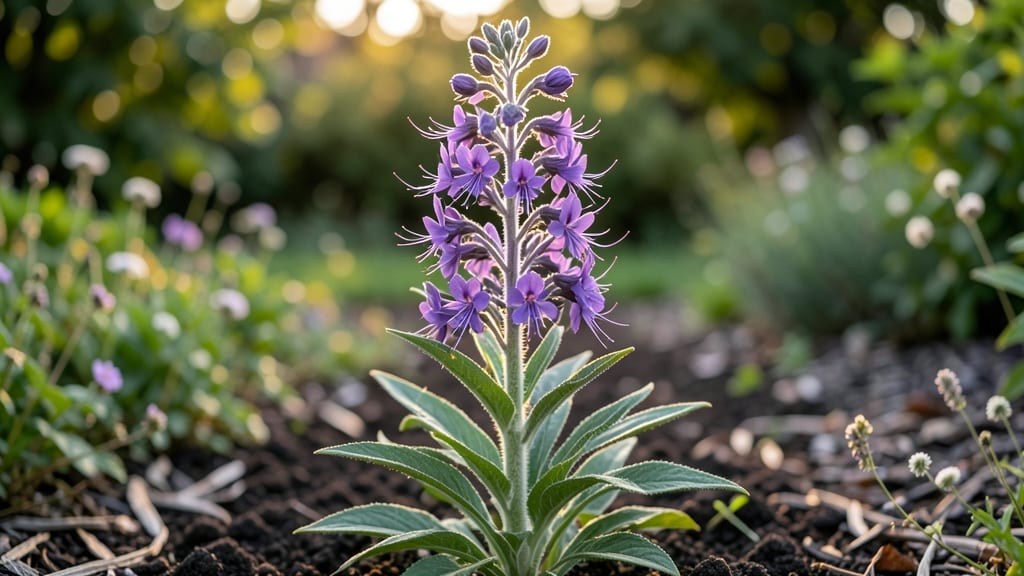
Transform your garden into a regal purple paradise with plants that command attention year-round. 💜 Purple isn’t just a color—it’s a statement, and these majestic purple plants bring drama, height, and seasonal interest to any landscape.
From towering ornamental grasses to velvety salvias and bold hydrangeas, the right purple plants create a cohesive, high-impact design that turns heads in every season.
The secret lies in layering textures and heights: start with tall grasses like purple fountain grass or miscanthus for vertical drama, then add mid-height bloomers like clematis or salvia for movement, and top it off with shrubs like lilacs or hydrangeas for structure.
These plants thrive in full sun to partial shade, making them adaptable to most gardens. The key is balancing their care needs—most prefer well-draining soil and consistent moisture, but their visual payoff is unmatched.
Imagine a garden where purple dominates: deep violet clematis vines spilling over trellises, lavender-blue hydrangeas glowing in summer, and even winter interest from evergreen shrubs like purple smoke bush. This isn’t just a color scheme—it’s a year-round masterpiece that elevates any outdoor space.
The best part? Purple pairs effortlessly with silver foliage, white blooms, and warm yellows for a sophisticated, timeless look.
Whether you’re designing a formal border, a wildflower meadow, or a cozy container garden, these purple plants deliver dramatic height and seasonal color with minimal effort. Start small with a single focal point—like a purple hydrangea bush—and expand as you fall in love with the impact.
Your garden will become a purple sanctuary, rich in texture and unforgettable beauty.
📚 In This Guide
- What you need
- Instructions
- Tips and common mistakes
- Wrapping up and next steps
What you need
- ● Purple plant variety: Choose from Coleus, Purple Heart (Tradescantia), Purple Leaf Plum Tree (Prunus cerasifera), or African Violet—all stunning picks!
- ● High-quality potting soil: 1 gallon (or 2 gallons for larger plants), well-draining and enriched with organic matter (e.g., compost or peat moss).
- ● Container or garden bed: Containers: 6–12-inch pots with drainage holes (terracotta or fabric pots work best).
- ● Garden beds: Full sun to partial shade, with loose, fertile soil (amend with perlite or sand if clay-heavy).
- ● Slow-release fertilizer: 1–2 tablespoons of balanced 10-10-10 or a purple plant-specific formula (like for coleus or African violets).
- ● Watering can or spray bottle: With a gentle misting nozzle for delicate varieties.
- ● Gloves: A pair of gardening gloves to protect your hands from soil and sharp stems.
- ● Trowel or small shovel: For transplanting or mixing soil amendments.
- ● Pruning shears: Sharp, sterilized shears for trimming and shaping (critical for bushy growth!).
- ○ Mulch (optional): 1–2 inches of pine bark or shredded leaves to retain moisture and suppress weeds.
- ● Grow lights (indoor only): A full-spectrum LED grow light (12–16 hours/day) if natural light is limited.
- ○ Plant support (optional): Moss poles or stakes for trailing varieties like Purple Heart.
How to cultivate a striking purple foliage display
Here’s the expert method I’ve used for decades to create bold, year-round purple foliage—no matter your climate.
🌱 Step 1: Select the Right Purple Varieties for Your Space
Start with purple-leaved plants that thrive in your light conditions. For full sun, choose purple smoke bush (Cotinus) or purple-leaved crape myrtle—both reach 6-10 feet and handle heat. In partial shade, purple fountain grass (Pennisetum) or black mondo grass deliver dramatic color with minimal care. I always pick one focal plant (like purple smoke bush) and two supporting varieties (like purple fountain grass) for layered impact.
Check plant tags for mature height and spread—some purple varieties grow aggressively (like purple fountain grass) while others stay compact (like purple leaf dusty miller). If your space is tight, opt for dwarf varieties like purple heart (Tradescantia) for containers. The key is matching growth habits to your design goals.
☀️ Step 2: Plant in Well-Draining Soil with Amended Nutrients
Dig a hole twice as wide as the root ball but only as deep as the container’s base. Purple foliage plants hate soggy roots, so amend native soil with 3 parts garden soil to 1 part compost and 1 part perlite or coarse sand for drainage. For example, if planting a 5-gallon purple smoke bush, mix 10 gallons soil, 3 gallons compost, and 2 gallons perlite.
Gently remove the plant from its container and loosen any circling roots with your fingers. Place it in the hole so the top of the root ball sits level with the surrounding soil—burying too deep suffocates roots. Backfill with your amended mix, pressing lightly to eliminate air pockets. Water deeply to settle the soil and encourage root contact.
💧 Step 3: Water Deeply and Establish a Consistent Routine
Water newly planted purple foliage until the soil is 2-3 inches deep—check by inserting a screwdriver. Purple-leaved plants often have thicker leaves, so they need 10-15% more water than green varieties to prevent wilting. After the first week, water when the top 1-2 inches of soil feel dry—this encourages deep root growth. I set a weekly reminder on my phone to check moisture levels, especially in summer heat.
Mulch with 2-3 inches of shredded bark to retain moisture and protect roots. Avoid organic mulches like wood chips if you’re planting purple-leaved perennials—they can acidify soil over time, which some purple varieties (like purple smoke bush) dislike. Instead, use gravel or inorganic mulch for a clean, polished look that complements the foliage.
✂️ Step 4: Prune Strategically for Year-Round Color
Prune purple smoke bush or crape myrtle in early spring before new growth appears. Cut back one-third of the oldest stems to encourage fresh, vibrant foliage. For purple fountain grass, cut back 3-4 inches in late winter to reveal new growth. Never prune in fall—this removes the plant’s energy reserves before winter. I always sterilize my pruners with rubbing alcohol to prevent disease spread between cuts.
Deadhead spent flowers on purple-leaved annuals (like purple salvia) weekly to redirect energy into foliage production. If a stem turns brown or leggy, trim it back to the nearest healthy leaf node—this keeps the plant compact and encourages bushier growth. Purple foliage plants respond well to pruning, so don’t fear cutting back aggressively if needed.
🌿 Step 5: Feed for Vibrant Purple Hues All Season
Fertilize purple foliage plants with a balanced, slow-release fertilizer (like 10-10-10) in early spring and mid-summer. Avoid high-nitrogen fertilizers—they encourage green growth over purple pigmentation. Instead, use a low-nitrogen, high-phosphorus formula (like 5-10-5) to enhance color. For example, sprinkle 1 cup of 10-10-10 around the base of a purple smoke bush and water deeply to activate.
In containers, use water-soluble fertilizer every 4-6 weeks during the growing season. Purple-leaved plants in pots dry out faster, so I fertilize half-strength to avoid burning roots. Watch for yellowing leaves—this is a sign of over-fertilization. If it happens, flush the soil with water until it runs clear from the drainage holes.
Tips & tricks for stunning purple foliage gardens
Here's what I've learned after decades of cultivating show-stopping purple plant displays—these are the secrets that make all the difference.
Plant Pairing Strategy: Purple foliage thrives when you create visual contrast with complementary colors. I always pair my purple smoke bush with silver-blue foliage plants like dusty miller or lamb's ear—this creates a striking two-tone effect that pops in any light condition. For containers, combine purple heart with chartreuse coleus to make the purple hues really sing. The key is creating a color palette where the purples become the star without competing with other vibrant shades.
Soil pH Considerations: Most purple-leaved plants prefer slightly alkaline soil (pH 6.5-7.5) to maintain their vibrant color. If your native soil is acidic, amend with crushed limestone (about 1 pound per 100 square feet) when preparing your planting hole. I've seen purple smoke bushes lose their rich color in acidic soils—adding this adjustment keeps the foliage deep and dramatic. Test your soil before planting to avoid this common color-fading issue.
Container Culture Tips: When growing purple foliage in containers, choose pots with drainage holes and use a high-quality potting mix with perlite or vermiculite for aeration. I recommend using containers that are at least 12 inches deep for dwarf varieties like purple heart, as shallow pots dry out too quickly. For larger plants like purple-leaved crape myrtle, use containers with saucers to catch excess water—purple foliage plants can't tolerate soggy roots, even in containers.
Seasonal Color Maintenance: Purple foliage often fades in intense summer heat or winter cold. To maintain vibrant color year-round, provide afternoon shade during peak summer months and use frost cloth to protect plants in winter. I've found that regular applications of a liquid iron supplement (every 6 weeks) helps sustain the deep purple hues, especially in container-grown plants where nutrients leach out faster. The secret to year-round drama is consistent care that adapts to seasonal challenges.
Pro Tips for Majestic Purple Plant
- Here's what I've learned after decades of cultivating show-stopping purple plant displays—these are the secrets that make all the difference.
- Plant Pairing Strategy: Purple foliage thrives when you create visual contrast with complementary colors.
- Soil pH Considerations: Most purple-leaved plants prefer slightly alkaline soil (pH 6.5-7.5) to maintain their vibrant color.
Frequently asked questions
Got questions about growing your own majestic purple plant? You’re not alone! Here are some of the most common queries—plus quick, no-fluff answers to keep your garden thriving.
What’s the best time of year to plant my majestic purple plant?
For most varieties, spring or early fall is ideal—when soil is warm but not scorching, and temperatures are mild. Avoid planting in peak summer heat or deep winter frost, as roots need time to establish. If you’re in a warm climate, late winter can also work!
How often should I water my purple plant?
Water deeply once a week (or more in extreme heat), ensuring the top 2–3 inches of soil are moist but not soggy. Mulch around the base to retain moisture and reduce evaporation. Overwatering is a common killer—always check soil moisture before reaching for the hose!
Why aren’t my purple leaves staying vibrant?
Dull or fading purple hues often mean too much sunlight (bleaching) or nutrient deficiencies (like phosphorus or magnesium). Try moving your plant to partial shade and fertilize with a balanced, phosphorus-rich formula every 4–6 weeks. Yellowing leaves? Check for overwatering or poor drainage!
Can I grow a majestic purple plant in containers?
Choose a large, well-draining pot (at least 12–18 inches deep) with drainage holes. Use a lightweight, airy potting mix (like 60% soil, 30% perlite, 10% compost) and repot every 2–3 years. Just ensure your container gets 6+ hours of sunlight daily.
What pests should I watch out for?
Common culprits include aphids, spider mites, and whiteflies, which love tender purple foliage. Inspect leaves regularly and blast pests off with water or use neem oil for organic control. Yellow sticky traps can also catch flying pests early!
Wrapping up and next steps
Transforming your garden—or even just a cozy corner—with a majestic purple plant is easier than you think! 🌿 Whether you’re drawn to the bold hues of Lobelia, the delicate charm of Heuchera, or the striking Coleus, these plants bring drama and vibrancy to any space.
With the right care and a little creativity, you’ll enjoy their stunning foliage year-round—no green envy here!
Ready to dive in? Start by picking your favorite purple beauty, gathering your supplies, and following the steps with confidence. Your garden’s next masterpiece is just a few clicks (or shovels) away! 🌸