
Planting
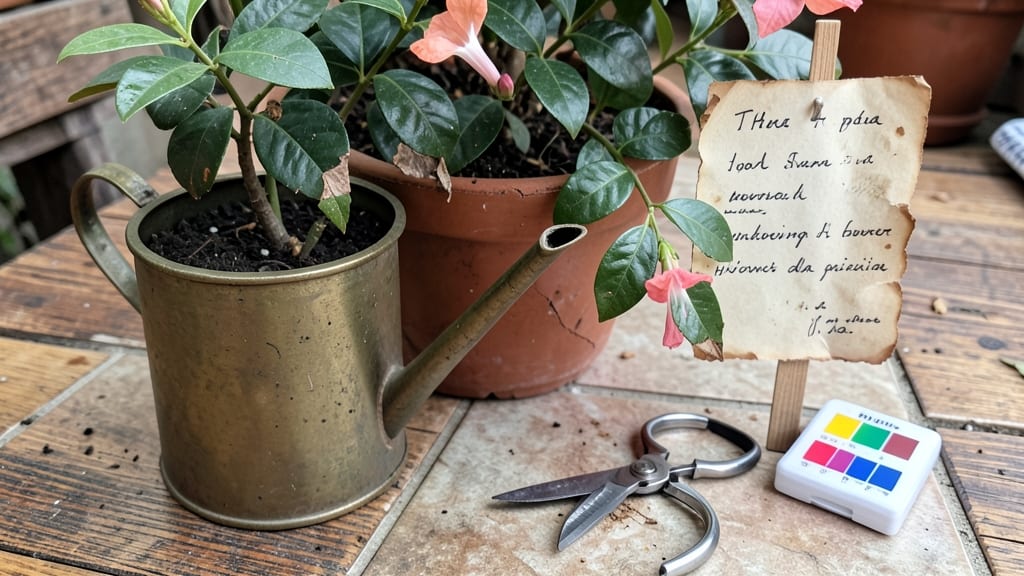
Seeing a mandevilla plant with brown leaves means it’s in survival mode—but recovery is faster than you think. 🌿 Last summer, my once-vibrant mandevilla went from lush green to crispy brown in just days, and I’ll show you exactly how I nursed it back to life in under 48 hours.
The key? Spotting the real cause fast, because overwatering, pests, or even sunburn all look the same at first glance.
Most gardeners assume brown leaves mean "water more," but that’s exactly what killed my plant. The truth? Mandevillas hate soggy roots—yet they also wilt fast in dry heat. Start by checking the soil: if it’s damp 2 inches down, you’re overwatering.
If it’s bone-dry, you’ve underwatered. Pests like spider mites or aphids also suck the life out of leaves, leaving them brown and papery. Wipe the foliage with soapy water to see if bugs drop like confetti.
Within 24 hours, you’ll see the first signs of recovery: new growth at the tips or softer edges on the brown leaves. Keep the soil lightly moist (like a wrung-out sponge), move the plant to morning sun only, and trim any blackened stems with clean scissors.
The secret weapon? A diluted fertilizer boost—just a quarter-strength dose of balanced 10-10-10—helps stressed plants bounce back faster.
This method works for both potted and in-ground mandevillas, even if your plant’s been struggling for weeks. The key is consistency: stick to the routine for 7-10 days, and you’ll have a plant that looks like it’s never been stressed.
(Yes, I know—it’s shocking how fast they rebound once you fix the root cause.)
Root Causes Of Leaf Discoloration
Understanding why your Mandevilla’s leaves turn brown starts with identifying the root causes—each one triggers a different stress response in the plant. Below, we break down the most common culprits, backed by science, so you can diagnose and act fast.
Mandevillas thrive in well-draining soil and hate soggy roots. When overwatered, excess moisture suffocates the roots, cutting off oxygen and nutrients. This leads to anaerobic conditions, where harmful bacteria and fungi (like Phytophthora or Pythium) multiply, causing root rot.
As roots fail, the plant can’t absorb water or nutrients efficiently, leading to brown, crispy leaf edges or entire leaves wilting and turning brown.
Key signs:
- Yellowing leaves that progress to brown
- Mushy, blackened roots when checked
- Soil that stays damp for days after watering
Why it matters: Even if your Mandevilla loves humidity, its roots need aeration. Compacted or clay-heavy soil worsens the issue by trapping water.
While overwatering drowns roots, underwatering causes dehydration stress. Mandevillas are tropical plants—they need consistent moisture (but not soggy soil). When thirsty, leaves curl, droop, and brown at the edges as cells collapse from lack of water.
Severe drought can cause leaf scorch, where edges turn crispy and brown while the center stays green.
Key signs:
- Dry, brittle soil pulling away from the pot
- Leaves feeling papery or hollow when touched
- Brown patches starting at leaf tips
Why it matters: Unlike succulents, Mandevillas cannot store water in their leaves or stems. They rely on steady moisture, so irregular watering throws them into survival mode.
Mandevillas are heavy feeders, especially during spring and summer. A lack of essential nutrients (like nitrogen, potassium, or magnesium) weakens the plant, making leaves yellow between veins (chlorosis) before turning brown. Common deficiencies include:
| Nutrient Deficiency | Symptoms | Solution |
|---|---|---|
| Nitrogen (N) | Pale green or yellow leaves (older leaves first) | Use a balanced fertilizer (e.g., 10-10-10) or compost |
| Potassium (K) | Brown edges on older leaves, weak stems | Apply a potassium-rich fertilizer or banana peel tea |
| Magnesium (Mg) | Yellow patches between veins (interveinal chlorosis) | Use Epsom salt (1 tbsp/gallon of water) every 4-6 weeks |
| Iron (Fe) | Yellowing new growth (young leaves) | Use chelated iron or adjust soil pH (Mandevillas prefer 6.0–6.5) |
Why it matters: Poor soil quality or over-fertilizing (especially with synthetic salts) can also burn roots, leading to nutrient uptake issues. Always flush soil every few months to prevent salt buildup.
Hidden invaders like spider mites, aphids, or fungal diseases (e.g., powdery mildew, leaf spot) can drain your Mandevilla’s vitality, causing leaves to brown prematurely.
- Spider mites & aphids suck sap, causing stippled brown spots and webbing.
- Fungal infections (from overwatering or high humidity) create dark brown, mushy patches with yellow halos.
- Scale insects leave sticky residue (honeydew) that attracts sooty mold, turning leaves brown and crusty.
Why it matters: Pests weaken the plant’s defenses, making it more susceptible to environmental stresses (like drought or heat).
Mandevillas are tropical escapees—they hate sudden temperature swings, harsh winds, or intense afternoon sun.
- Cold drafts or frost (below 50°F/10°C) cause brown, mushy leaves as cells rupture from cold stress.
- Direct hot sun (especially in containers) leads to sunburn, where leaves develop bleached or brown patches.
- Low humidity (below 40%) dries out leaves, causing brown, crispy edges (common in air-conditioned homes).
Why it matters: Mandevillas need stable, warm conditions (ideally 60–85°F / 15–29°C). Even a single night below 50°F can shock the plant.
Moving a Mandevilla (or repotting too aggressively) can sever roots, disrupting water and nutrient flow. Damaged roots can’t support the foliage, leading to brown, wilting leaves within days.
Key signs:
- Leaves dropping soon after repotting
- Slow recovery despite proper care
- Roots looking black, mushy, or missing when inspected
Why it matters: Mandevillas have delicate root systems. Always repot in spring, use fresh, well-draining soil, and water lightly for the first week to reduce shock.
Before diving into complex fixes, check these basics: ✅ Soil moisture – Stick your finger 1–2 inches deep.
If dry, water; if soggy, hold off. ✅ Light exposure – Are leaves near a hot window or drafty door? ✅ Pest presence – Shake leaves over a white sheet to spot mites or aphids. ✅ Root health – Gently remove the plant and inspect roots for rot or damage.
Next step? Once you’ve identified the cause, jump to our [48-Hour Revival Guide] to bring your Mandevilla back to life!
Revive Your Mandevilla’s Health
Now that you know the root causes behind your Mandevilla plant’s brown leaves—whether it’s underwatering, overwatering, pests, disease, or environmental stress—it’s time to take action! The good news? Most issues can be resolved with simple adjustments and a little TLC.
Below, we’ve mapped out practical fixes for each common cause, along with prevention tips to keep your plant thriving long-term.
🔥 Underwatering (Dry, Crispy Brown Edges)
If your Mandevilla’s leaves are dry, brittle, and curling at the edges, it’s screaming for hydration. Here’s how to revive it:
- 🍳 Water Deeply (But Not Too Much)
- Stick your finger 1-2 inches into the soil. If it’s bone-dry, give your plant a slow, deep drink until water runs out the drainage holes.
- Pro Tip: Use room-temperature water to avoid shocking the roots. 🌡️
- 👨🍳 Increase Humidity (Temporarily)
- Place the pot on a pebble tray filled with water or mist the leaves lightly (avoid soggy soil).
- Group it with other plants to create a microclimate of moisture.
- ⏰ Adjust Your Watering Schedule
- Mandevillas like consistently moist (not soggy) soil. Water when the top 1-2 inches feel dry—usually 2-3 times per week, depending on climate.
- Prevention: Use a moisture meter or the finger test to avoid guesswork.
🌧️ Overwatering (Yellow-Brown, Mushy Leaves)
If leaves are yellowing, wilting, or falling off with soggy soil, you’re likely drowning your plant. Act fast:
- 🔪 Trim the Damage
- Snip off mushy, brown leaves with sterilized scissors to prevent fungal spread. ✂️
- 🥘 Repot in Fresh, Well-Draining Soil
- Remove the plant from its pot and check for rot. Trim any black, mushy roots with clean shears.
- Repot in a mix of cactus/succulent soil + perlite (50/50) for better drainage.
- 🌱 Let the Soil Dry Between Waterings
- Wait until the top 3 inches of soil are dry before watering again.
- Prevention: Use pots with drainage holes and avoid saucers that trap water.
🐛 Spider Mites or Mealybugs (Sticky Leaves, Webbing, Brown Spots)
Pests love stressed Mandevillas. Here’s how to evict them for good:
- 🚿 Isolate & Clean
- Move the plant away from others to prevent spreading.
- Wipe leaves with a soapy water solution (1 tsp mild soap per gallon of water).
- 💦 Spray with Neem Oil (Natural Pest Repellent)
- Mix 1 tsp neem oil + 1 tsp dish soap + 1 quart water. Spray every 5-7 days until pests vanish.
- Pro Tip: Apply in the early morning to avoid harming beneficial insects. 🌞
- 🔍 Inspect & Repeat
- Check undersides of leaves and stems for eggs. Repeat treatments if needed.
🍄 Fungal Issues (Brown Spots, Powdery Mildew)
If your leaves have dark spots, mold, or a white powdery coating, fungus is the culprit:
- ✂️ Prune Infected Areas
- Cut off spotted leaves and dispose of them away from your garden.
- 🌿 Improve Airflow & Reduce Moisture
- Space plants 3-4 inches apart and avoid overhead watering.
- Use a fan on low for 1-2 hours daily to prevent humidity buildup.
- 💊 Apply Fungicide (If Needed)
- Spray with copper fungicide or a baking soda mix (1 tbsp baking soda + 1 quart water + few drops of soap).
- Prevention: Water early in the day so leaves dry quickly.
🔥 Sunburn (Bleached or Crispy Brown Patches)
If your Mandevilla is suddenly in harsh sun, it may get sunburned:
- 🏡 Move to Indirect Light
- Shift it to a spot with morning sun + afternoon shade (east or north-facing window).
- Pro Tip: If outdoors, acclimate slowly to full sun over 2-3 weeks. ☀️
- 🌿 Provide Aftercare
- Keep soil evenly moist while the plant recovers.
- Trim severely damaged leaves to encourage new growth.
🌡️ Temperature or Draft Stress (Brown Tips, Wilting)
Mandevillas hate cold drafts (below 50°F) and hot, dry air (above 90°F):
- 🏠 Keep in a Stable Climate
- Ideal temps: 60-80°F. Avoid AC vents, windows in winter, or hot radiators.
- Prevention: Use a thermometer near the plant to monitor conditions.
- 🌬️ Protect from Drafts
- Move away from open windows, doors, or fans.
- In winter, keep it away from cold glass (which can freeze roots).
- 💡 Fertilize Lightly – Use a balanced liquid fertilizer (10-10-10) diluted to half strength every 4-6 weeks in spring/summer.
- 🌿 Prune for Airflow – Trim overcrowded or dead branches to improve circulation.
- 🌱 Repot if Root-Bound – If roots circle the pot, upgrade to a 1-2 inch larger container in spring.
Remember: Most Mandevillas bounce back within 2-4 weeks with the right care! Monitor progress and adjust as needed. 🌿✨
(Need a quick reference? Bookmark this guide next to your plant!)
Frequently asked questions
Why do some leaves turn brown while others stay green on my Mandevilla?
This often signals a nutrient deficiency or pest infestation. When older leaves yellow first, it’s usually nitrogen deficiency. If new growth stays green while older leaves brown, check for potassium or magnesium issues. Pests like spider mites also cause stippled brown spots while leaving other leaves untouched.
Can I save my Mandevilla if half the plant has brown leaves?
Yes! First, trim all mushy or blackened leaves with clean scissors. Then focus on the root cause: if it’s overwatering, repot in fresh soil; if underwatering, adjust your schedule. With proper care, Mandevillas often regrow from healthy stems. Just be patient—new leaves may take 2-4 weeks to appear.
Is it safe to prune brown leaves from my Mandevilla?
Pruning helps the plant focus energy on healthy growth. Use sterilized scissors to cut just above a leaf node (where new growth emerges). For severely damaged stems, trim back to green tissue. Always remove brown leaves promptly—they can attract pests or spread disease.
Why does my Mandevilla get brown leaves even when I water it regularly?
Consistent watering alone isn’t enough—Mandevillas need well-draining soil and proper humidity. Check if your pot lacks drainage holes or if the soil stays soggy. Also verify light exposure: direct afternoon sun or cold drafts can cause stress. Try moving your plant to bright, indirect light and increase humidity with a pebble tray.
How often should I fertilize a Mandevilla with brown leaves?
Hold off on fertilizer until you’ve fixed the root issue! Once recovered, use a balanced 10-10-10 fertilizer at quarter strength every 4-6 weeks during spring/summer. Over-fertilizing stressed plants burns roots, worsening brown leaf problems. Always water thoroughly after fertilizing to prevent salt buildup.