
Planting
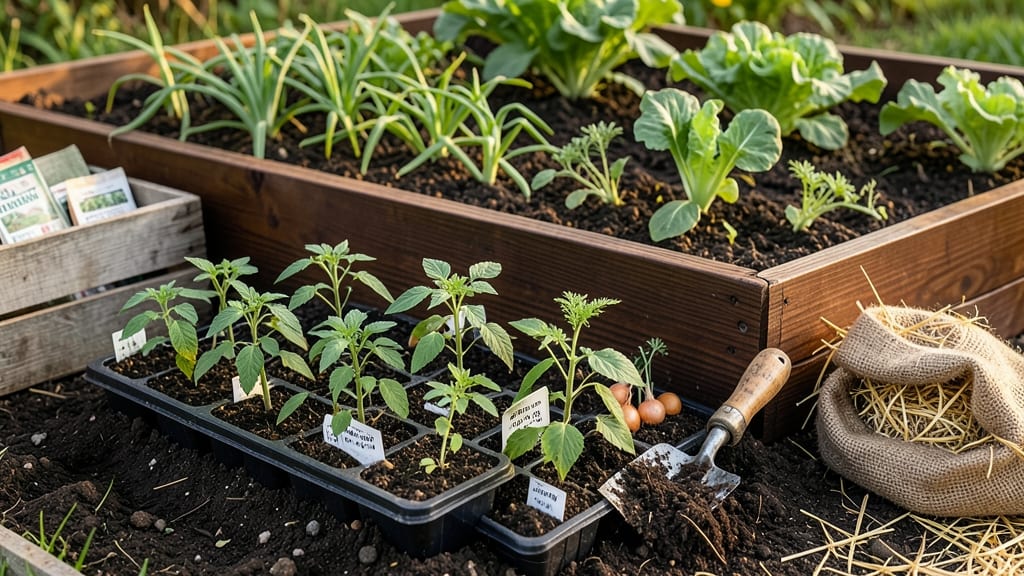
Following a Michigan planting schedule is the secret to turning your garden from a gamble into a harvest you can count on.
Michigan’s unpredictable frost dates and diverse growing zones can turn gardening success into a guessing game—unless you follow a science-backed planting schedule tailored to your specific location.
From the Upper Peninsula’s shorter growing season to the Lower Peninsula’s longer stretches of warmth, knowing when to plant cool-season crops like spinach or warm-season favorites like tomatoes makes all the difference.
Here, you’ll find the exact frost-free dates, zone-specific planting windows, and pro tips to extend your season—so you can grow more, waste less, and enjoy fresh produce from spring to fall.
Michigan planting schedule by USDA hardiness Zone: when to plant cool vs warm season crops
Michigan spans USDA Zones 4-6, creating unique challenges for gardeners. The Upper Peninsula (Zone 4) faces earlier frosts, while the Lower Peninsula (Zones 5-6) enjoys longer growing seasons. Knowing your last spring frost and first fall frost dates is critical for timing plantings correctly.
Cool-season crops like spinach, peas, and lettuce thrive in Michigan's early spring and fall. Warm-season favorites such as tomatoes, peppers, and cucumbers need warmer soil temperatures after the last frost. Let's break down the ideal planting windows for each zone.
Here's a quick reference for Michigan's average frost dates by zone, which will help you plan your garden:
For Zone 4 gardeners, start cool-season crops like spinach and peas indoors in March and transplant after soil warms. Warm-season crops should wait until late May when soil temperatures consistently stay above 50°F (10°C).
In Zone 5 and 6, you can begin cool-season plantings in early April and warm-season crops in mid-May.
In Zone 6, you can push your growing season further by planting late-season crops like kale and radishes in early September. These hardy vegetables can tolerate light frosts and even improve in flavor after a frost.
For Zone 4, focus on fast-maturing varieties of warm-season crops to maximize your harvest before the first frost.
When planting warm-season crops, always check soil temperature before sowing seeds. Use a soil thermometer to ensure temperatures are above 60°F (15°C) for most vegetables. In Zone 5 and 6, you can also use black plastic mulch to warm the soil faster and extend the growing season.
For cool-season crops, succession planting is key. In Zone 6, you can plant lettuce and radishes every 2-3 weeks from April to September to ensure a continuous harvest. In Zone 4, limit succession plantings to April and early September to avoid frost damage.
Don't forget about herbs and flowers! Many herbs like parsley and cilantro are cool-season plants and can be sown in early spring. Warm-season herbs like basil and dill should wait until after the last frost.
Flowers such as marigolds and zinnias can be planted in late spring and will bloom until the first frost.
Adjust your planting schedule based on microclimates in your garden. Urban areas may experience heat islands that delay spring frosts, while rural areas might see earlier frosts. Always have row covers on hand to protect tender plants from unexpected late frosts, especially in Zone 4 and 5.
By following this zone-specific planting schedule, you'll maximize your garden's potential and enjoy a bountiful harvest from May through October. Happy gardening! 🌱
How to adjust your Michigan planting schedule for early starts, successive plantings, and fall harvests
Michigan’s short growing season demands flexibility. I’ve learned that even a two-week difference in planting can mean the difference between a bountiful harvest and wasted seeds. The key lies in staggered plantings and strategic season extension. Whether you’re growing cool-season greens or heat-loving tomatoes, timing is everything.
Start by checking your last frost date—typically mid-April for southern Michigan and late May in the Upper Peninsula. Use this as your anchor point to calculate when to sow seeds indoors or outdoors.
For example, radishes mature in just 25 days, so I plant them every two weeks from early April through July for continuous harvests.
- 1 Extend your season with row covers or cold frames. These can push your last harvest date back by 3-4 weeks in fall.
- 2 Calculate days-to-maturity for each crop. Subtract this number from your first frost date to determine the last planting window. For bush beans (50 days), this means planting by early August in most of Michigan.
- 3 Prioritize fall crops like kale, spinach, and radishes after summer heat waves. These thrive in cool weather and can tolerate light frosts.
- 4 Use a frost-free date calculator (like the Michigan State University Extension tool) to input your zip code and get precise dates for your area.
- 5 Stagger plantings every 2-3 weeks for crops like lettuce or carrots to ensure a steady supply. This works especially well for succession planting in containers or small gardens.
For early starts, I begin sowing cool-season crops like peas and spinach indoors in February or under row covers in early March. This gives them a head start before transplanting outdoors.
Warm-season crops, such as tomatoes and peppers, should wait until the soil reaches 50°F—usually two weeks after your last frost date.
Don’t overlook fall planting. After summer’s heat subsides, broccoli, cabbage, and turnips thrive in Michigan’s cool autumn air. I’ve had success planting these in early August for harvests in October and November. Use lightweight row covers to protect tender crops from early frosts.
Pro tip: Keep a gardening journal to track your frost dates and planting success. Over time, you’ll notice patterns specific to your microclimate, whether it’s a urban heat island or a protected valley.
Adjust your schedule each year based on what you learn—your garden will thank you with bigger, healthier harvests.