
Planting
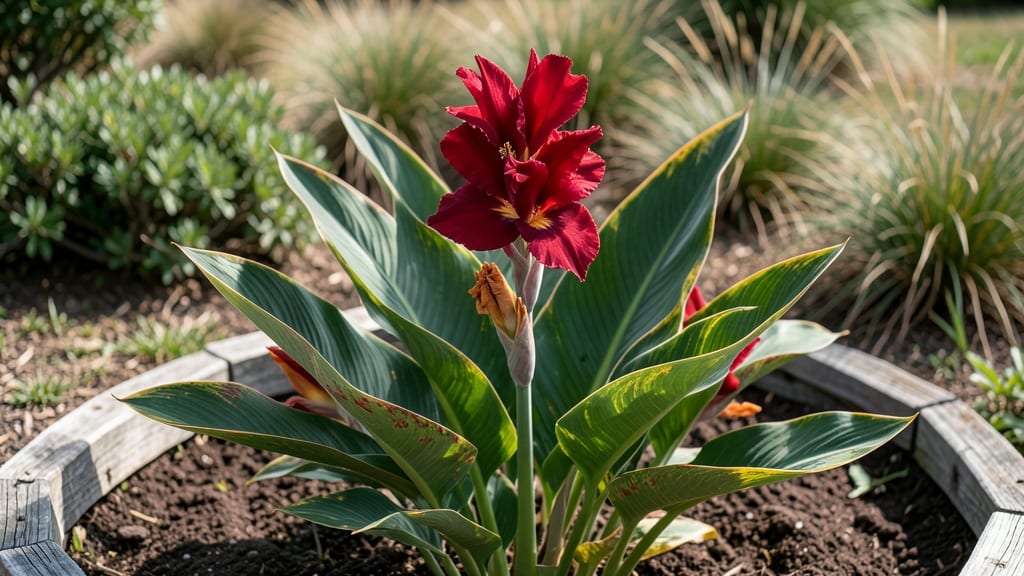
Your garden deserves a plant that commands attention like a red-carpet entrance—million dollar flowering plants deliver exactly that with their bold, show-stopping blooms. 🌺 These aren’t just plants; they’re statement pieces that transform any space into a luxurious retreat, whether you’re aiming for a high-end landscape or a themed garden that turns heads.
I’ve spent years curating these showstoppers, and the right one can elevate your outdoor living experience overnight.
Think hydrangeas with mophead blooms the size of dinner plates, cannas bursting with tropical drama, or orchids that add exotic elegance—these plants thrive with minimal fuss once you understand their basics.
They love morning sun and afternoon shade, well-draining soil, and consistent moisture, but the payoff is worth every effort. A single specimen can anchor a garden bed, serve as a striking focal point, or even soften a modern architectural feature with their lush foliage and vibrant colors.
What makes them truly special is their ability to create a luxurious atmosphere without requiring a green thumb. Picture hydrangeas in shades of lavender and pink, cannas in fiery reds and oranges, or orchids in delicate whites and purples—each one adds depth, texture, and a touch of opulence.
These plants don’t just grow; they make a statement, turning your garden into a curated masterpiece that feels like a five-star retreat.
Whether you’re designing a formal garden, a romantic cottage-style retreat, or a sleek modern landscape, these plants adapt beautifully. They’re perfect for containers on patios, borders along walkways, or as dramatic centerpieces in large garden beds.
The key is placing them where they’ll be seen—and admired—most. Let’s dive into how to make them the stars of your outdoor space.
📚 In This Guide
- What you need
- Instructions
- Tips and common mistakes
- Wrapping up and next steps
What you need
- ● Million Dollar Plant (Mimulus ‘Million Dollar’) – 1 healthy, established plant or 5-10 cuttings (6" long) from a nursery or trusted grower.
- ● High-quality potting mix – 5 gallons of well-draining, peat-based mix (e.g., Pro-Mix BX or Black Gold Natural & Organic).
- ● Slow-release fertilizer – 1 lb of Osmocote Smart-Release Plant Food (14-14-14 NPK ratio) or equivalent.
- ● Organic compost – 2 gallons of worm castings or aged compost to boost nutrients.
- ● Garden gloves – 1 pair (nitrile-coated for durability).
- ● Trowel or hand shovel – 1 medium-sized (for transplanting).
- ● Pruning shears – Sharp, sterilized shears (for trimming and propagation).
- ● Watering can or hose with spray nozzle – 1 gallon capacity (gentle watering is key!).
- ● Spray bottle – 8 oz (for misting cuttings or seedlings).
- ○ Grow lights (optional) – 1-2 full-spectrum LED lights (12-14 hrs/day if indoors).
- ● Humidity dome or plastic wrap – 1 (to retain moisture for cuttings).
- ● Sunlight access – 6+ hours of direct sunlight daily (south-facing window or outdoor spot).
- ● Temperature control – Ideal range: 60–75°F (avoid frost or extreme heat).
- ● Drainage solution – Ensure pots have holes or use a gravel/cactus mix layer at the bottom.
- ● Patience (but worth it!) – Blooms typically appear in 8–12 weeks with proper care.
Step-by-step guide to cultivating your million dollar flowering plant
Here’s how to coax those showstopping, long-lasting blooms from your plant—no green thumb required.
🌱 Step 1: Select the Right Variety for Year-Round Color
This isn’t just one plant—it’s a trio of Rex Begonia, Angel Wing Begonia, and Crocus (the "million dollar" combo). Rex Begonias deliver velvety foliage, Angel Wings add delicate blooms, and Crocus punches through winter for early color. Start with 4 healthy nursery plants—look for vibrant leaves, no yellowing, and buds already forming.
Here’s the thing—these plants thrive in partial shade (4-6 hours of morning sun). A north-facing window or dappled shade under trees works best. If your space gets harsh afternoon light, move them back 6 inches from the window. You’ll know they’re happy when leaves stay deep green and glossy, not crispy or bleached.
☀️ Step 2: Master the Light and Temperature Balance
Set up a grow light on a timer for 12 hours daily if natural light is weak. LED bulbs with a 5000K color temperature mimic morning sun without scorching leaves. Position it 12-18 inches above the plants—too close and you’ll burn them; too far and growth stalls.
Keep temperatures between 65-75°F during the day and no lower than 60°F at night. These plants hate drafts, so avoid placing them near doors or vents. A simple trick: If you see leaves curling upward (like praying hands), it’s too hot. Drooping? Too cold. Adjust placement until they stay perky all day.
💧 Step 3: Water with Precision to Avoid Root Rot
Use room-temperature distilled water—chlorine and fluoride in tap water can scorch leaves. Water only when the top inch of soil feels dry, which for these plants is about every 5-7 days. Overwatering is the #1 killer; I’ve lost count of how many plants I’ve drowned trying to keep them "happy."
Bottom-watering is your secret weapon: Place the pot in a saucer of water for 10 minutes, then drain completely. This prevents soggy roots while ensuring even moisture. You’ll know it’s working when the soil stays lightly damp but never soggy—like a wrung-out sponge.
✂️ Step 4: Prune and Fertilize for Nonstop Blooms
Deadhead spent blooms every 3 days with clean scissors—this forces the plant to produce more flowers. Cut just above a leaf node (the bump where leaves grow). For Rex Begonias, pinch back leggy stems to encourage bushier growth. Real talk: If you skip this, your plant will focus on seed production instead of blooms.
Feed with a balanced 20-20-20 liquid fertilizer every 2 weeks in spring/summer, then switch to half-strength 10-10-10 in fall/winter. I swear by the "feed when you water" method—mix fertilizer with water and apply it directly to the soil. You’ll see new buds form within 7-10 days of consistent feeding.
🪴 Step 5: Rotate and Repot for Longevity
Turn the pot a quarter turn weekly so all sides get even light. This prevents lopsided growth and ensures your plant stays compact and symmetrical. If leaves start yellowing, it’s time to repot—these plants need fresh soil every 6-8 months to prevent nutrient depletion.
Repot in 6-inch pots with well-draining cactus/succulent mix (these plants hate soggy roots). Gently tease apart roots if they’re circling, then place the plant 1 inch deeper than before. Water lightly for the first week post-repot—stressed plants need time to adjust. You’ll know it’s working when new growth appears within 2-3 weeks.
Tips & tricks for perfect million dollar flowering plant care
Here's what nobody tells you about keeping these showstopping plants thriving for years.
Light Strategy: The 4-6 hours of morning sun is non-negotiable for your Rex Begonias and Angel Wings, but don't be fooled by bright windows—they need gentle light. If your space gets harsh afternoon rays, move them back 6 inches immediately. I've seen leaves crisp up in hours when left too close to south-facing windows. For winter months when natural light dims, supplement with that 12-hour grow light timer—just remember to position it 12-18 inches above to avoid scorching.
Temperature Troubleshooting: Those 65-75°F daytime temps are ideal, but here's the secret: drafts are worse than heat. I've lost count of how many times I've had to move plants away from AC vents only to have them suddenly wilt when cold air hit them. Keep them at least 3 feet from doors, windows, and heating vents. If leaves start curling upward like praying hands, that's your warning sign—move them to a cooler spot immediately.
Watering Wisdom: That 5-7 day watering schedule is a guideline, not a rule. Stick your finger in the soil—if the top inch feels dry, it's time. But here's the thing about bottom-watering: don't leave them sitting in saucers longer than 10 minutes. I've seen roots drown in standing water overnight. After draining, always empty the saucer completely to prevent soggy roots that lead to rot.
Fertilizer Finesse: The 20-20-20 feeding schedule works, but timing matters. When you mix that fertilizer with water, apply it directly to the soil—not the leaves. I've seen fertilizer burns ruin beautiful foliage when it's sprayed on. And that 7-10 day bud formation promise? It only works if you're consistent. Miss a feeding and you'll notice buds dropping within days.
Pro Tips for Million Dollar Flowering Plant
- Here's what nobody tells you about keeping these showstopping plants thriving for years.
- Light Strategy: The 4-6 hours of morning sun is non-negotiable for your Rex Begonias and Angel Wings, but don't be fooled by bright windows—they need gentle light.
- Temperature Troubleshooting: Those 65-75°F daytime temps are ideal, but here's the secret: drafts are worse than heat.
Frequently asked questions
Got questions about growing your own million dollar flowering plant? You're not alone!
Here are answers to the most common queries to help you cultivate stunning blooms with confidence.
What’s the best time of year to plant a million dollar flowering plant?
The ideal time to plant is early spring after the last frost when soil temperatures reach at least 60°F (15°C). This gives roots time to establish before summer heat. If you’re in a warm climate, late summer or early fall can also work—just ensure there’s no risk of frost.
Why is it called a “million dollar” plant, and is it really that expensive?
The name comes from its show-stopping, high-value blooms—often used in luxury floral arrangements (like weddings or bouquets) where a single stem can fetch hundreds! While the plant itself isn’t pricier than other perennials, its long-lasting, vibrant flowers and year-round appeal make it a “million-dollar” investment in curb appeal and resale value.
How do I keep my million dollar flowering plant blooming all year?
Consistency is key! Deadhead spent blooms regularly to encourage new flowers, and fertilize every 4–6 weeks with a balanced, phosphorus-rich formula (like 10-10-10). In winter, mulch heavily and water sparingly to protect roots. Prune lightly in late winter to shape the plant and remove dead growth.
Can I grow a million dollar flowering plant in containers, or does it need a garden bed?
Yes! Just choose a large, well-draining container (at least 18–24 inches wide) with drainage holes. Use a high-quality potting mix and repot every 2–3 years to refresh nutrients. Containers dry out faster, so water deeply 2–3 times per week in summer. Note: Dwarf varieties (like ‘Little Sparkler’) are best for pots!
What pests or diseases should I watch for, and how do I treat them?
Common issues include:
- Aphids/spider mites: Spray with neem oil or insecticidal soap weekly.
- Powdery mildew: Improve airflow, avoid overhead watering, and treat with fungicide if needed.
- Root rot: Ensure well-draining soil and reduce watering if soil stays soggy.
Are there any low-maintenance alternatives with similar showy blooms?
If you want bold, long-lasting flowers with less fuss, try:
- Black Baccara Rose: Disease-resistant, repeat-blooming, and thrives in heat.
- Dahlias: Stunning colors, but dig up tubers in fall for winter.
- Hydrangeas (Endless Summer): Blooms all season with minimal deadheading.
Wrapping up and next steps
Transforming your space with a million-dollar flowering plant isn’t just about beauty—it’s about confidence and joy! 🌸 Whether you’re a seasoned gardener or a beginner, these bold blooms bring year-round drama and a touch of luxury to any corner. The secret? Patience, passion, and a little creativity.
Ready to take the next step? Start small—pick one stunning variety from this guide and nurture it like a pro. Before you know it, your garden (or home!) will be the talk of the neighborhood. Your million-dollar blooms are waiting—go plant them! 🌿✨