
Planting
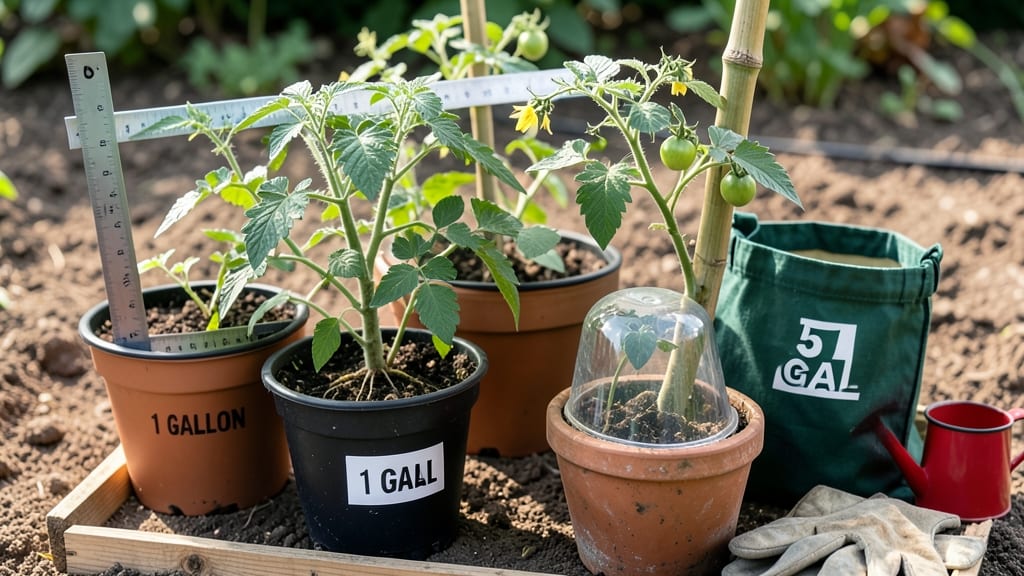
A 5-gallon pot is the minimum size for a tomato plant 🍅 to thrive, giving its roots the space they need to support a bountiful harvest.
Struggling to grow healthy tomato plants? The right pot size isn’t just about fitting your plant—it’s about unlocking its full potential. Too small, and you’ll end up with stunted growth and fewer fruits. Too big, and you waste space and risk overwatering. Finding the perfect balance is key.
Tomatoes need room to stretch their roots, especially indeterminate varieties that can grow 6 feet tall or more. A 5-gallon container provides enough depth and volume to prevent root binding, which can lead to poor nutrient uptake and weak plants.
But not all pots are created equal—materials like fabric or plastic affect drainage and airflow, too.
In this guide, I’ll break down the ideal pot size for your tomato variety, how to spot signs your plant is cramped, and tips to maximize growth—even in small spaces. Let’s get those roots thriving!

Why a 5-Gallon pot is the minimum size for tomato plants
If you've ever grown tomatoes in containers, you know how frustrating it is when your plants struggle despite your best efforts. The issue often starts with the pot—specifically, its size. A 5-gallon pot isn’t just a random recommendation; it’s rooted in the science of root growth and nutrient capacity.
Without enough space, your tomato plants will fight for resources, leading to stunted growth, fewer fruits, and even disease susceptibility. Let’s break down why this minimum size matters so much for your tomato’s success.
Tomato plants are heavy feeders, meaning they require plenty of nutrients and water to produce fruit. A 5-gallon pot provides about 18 liters of soil, which is the absolute minimum to support a single tomato plant for a full growing season.
Smaller pots, like 1- or 3-gallon containers, restrict root expansion, forcing roots to circle and compete for nutrients—a condition called root binding. This stress weakens the plant, making it more prone to wilting, yellowing leaves, and poor fruit set.
Here’s the hard truth: undersized pots lead to shorter lifespans for your tomato plants. When roots can’t spread, the plant’s ability to absorb water and nutrients declines rapidly. This often results in blossom end rot (a common calcium deficiency issue) and reduced yields.
Even if your tomato variety is dwarf or bush-type, a 5-gallon pot is still the baseline. Larger varieties, like indeterminate tomatoes, will outgrow tiny pots quickly, leading to structural weakness and collapsed stems.
| Pot Size | Root Zone Expansion | Nutrient Capacity | Yield Impact | Disease Risk |
|---|---|---|---|---|
| 1-Gallon Pot | Extremely limited; roots circle quickly | Very low; depletes fast | Poor; 1-2 small tomatoes max | High; poor airflow, fungal risk |
| 3-Gallon Pot | Restricted; roots bind by mid-season | Low; requires frequent fertilizing | Moderate; 3-5 tomatoes, stunted growth | Moderate; higher risk of blossom end rot |
| 5-Gallon Pot | Adequate; roots expand 12-18 inches | Good; supports 1 season of growth | High; 10-15 tomatoes, healthy vines | Low; proper drainage reduces fungal issues |
| 7+ Gallon Pot | Optimal; deep root zone for indeterminate types | Excellent; sustained nutrient supply | Very High; 20+ tomatoes, vigorous growth | Very Low; minimal stress-related diseases |
The root zone in a 5-gallon pot allows tomato roots to spread out 12-18 inches deep, which is critical for stability and nutrient uptake. Without this space, roots become compacted and oxygen-deprived, leading to poor water absorption.
Imagine trying to grow a tree in a shoebox—it’s the same principle! Even determinate tomatoes (bush types) benefit from this size because they develop a stronger root system early on, which translates to better fruit production later.
Another key factor is drainage and moisture retention. A 5-gallon pot holds enough soil to regulate moisture levels without drying out too quickly or staying soggy. Smaller pots dry out faster, forcing you to water more frequently and risking root rot if overwatered.
Larger pots, like 7-gallon containers, are ideal for indeterminate varieties (like 'Sungold' or 'Brandywine'), which can grow 6+ feet tall and produce fruit all season long. But even for these, starting with a 5-gallon pot ensures the plant isn’t overwhelmed early on.
Many gardeners make the mistake of thinking "bigger is always better", but that’s not necessarily true. While a 10-gallon pot might seem like overkill for a small tomato, it’s better to upgrade gradually as the plant grows.
For example, start with a 5-gallon pot and repot into a 7-gallon container by mid-season if you notice roots circling the edges. This approach gives your tomato the flexibility to grow without shocking its root system all at once.
How to choose the perfect pot for your tomato variety
Not all tomato varieties thrive in the same pot! Your choice between determinate (bush) and indeterminate (vining) types directly impacts pot selection. Determinate tomatoes like Roma or Celebrity stay compact, while indeterminate varieties such as Sungold or Brandywine can grow 6+ feet tall.
Matching your pot to your plant’s growth habit ensures stronger roots and better yields.
Beyond size, pot material matters too. Plastic pots are lightweight and affordable, fabric grow bags offer excellent drainage, and ceramic containers provide aesthetic appeal but require more maintenance. Each material has trade-offs—like weight, heat retention, and durability—that affect your tomato’s health and your gardening experience.
Minimum Pot Size for Tomato Plants
Minimum Size
5-gallon pot (minimum for determinate varieties)
7-10 gallon pot (ideal for indeterminate varieties)
Why It Matters
Roots need space to absorb water/nutrients
Prevents root binding, which stunts growth
Supports 1-2 plants per container (for bush types)
For determinate tomatoes, a 5-gallon pot is the absolute minimum, but I recommend upgrading to 7 gallons for better stability and yield. These compact plants focus energy on fruit production, so deeper pots help prevent tipping.
Add gravel or perlite at the bottom to improve drainage and reduce soil compaction.
Indeterminate varieties demand more space—aim for 10+ gallons to accommodate their sprawling roots and continuous growth. These vining tomatoes need sturdy pots (fabric or thick plastic) to support their weight. If growing in smaller containers, prune aggressively to limit vine length, but expect fewer fruits.
Consider your growing location when choosing materials. Fabric pots breathe better, reducing root rot in humid climates, while ceramic pots stay cooler in scorching summers. Plastic pots are the most budget-friendly but may crack under freezing temperatures. Always prioritize drainage holes—no exceptions!
My top recommendation? Start with a 7-gallon fabric grow bag for indeterminate varieties—it’s lightweight, drains well, and prevents root circling. For determinate types, a 5-gallon ceramic pot with a saucer adds elegance while keeping roots healthy. Happy potting! 🌱