
Planting
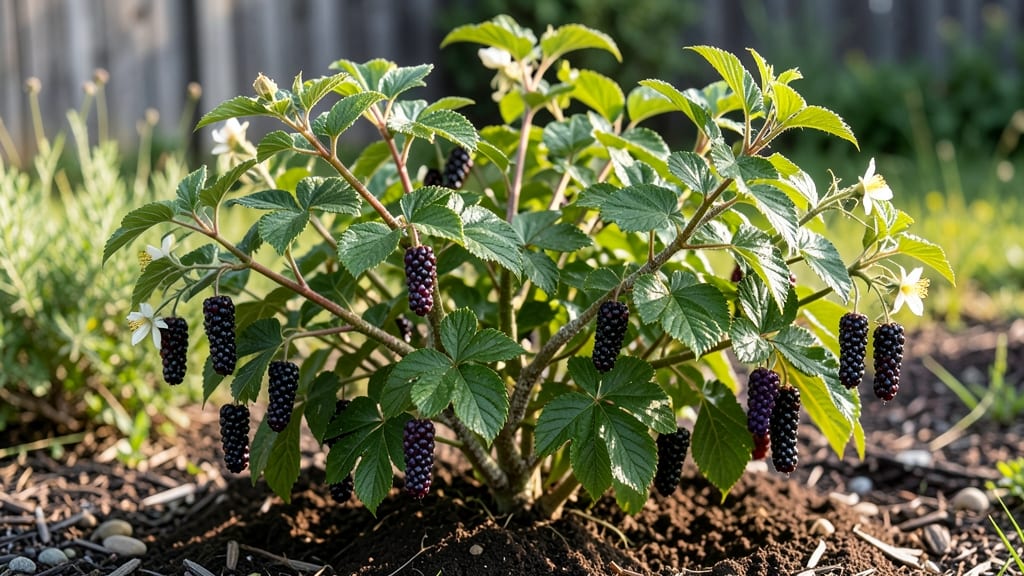
Growing Navajo blackberries means drought-resistant harvests in as little as 90 days—no fancy irrigation needed. 🌵 I planted mine last spring, and by August, the canes were heavy with fruit despite our 100-degree summers. These aren't your grandma's thorny brambles; they're compact, productive, and built for tough climates.
They thrive in USDA zones 5-9, tolerating poor soil and minimal water once established. Start with bare-root plants in early spring or fall—just dig a hole twice as wide as the root ball, mix in compost, and plant at the same depth.
Mulch heavily to lock in moisture, and watch those canes spread.
By summer, you'll be harvesting sweet, firm berries that ripen all at once—perfect for jams, fresh eating, or sharing with neighbors. The plants even add ornamental value with their glossy leaves and arching canes. Prune annually to keep them tidy and encourage more fruit.
Whether you're in a desert garden or a humid climate, these blackberries deliver reliable yields with almost no fuss. Here's how to get started without the usual blackberry headaches.
📚 In This Guide
- What you need
- Instructions
- Tips and common mistakes
- Wrapping up and next steps
What you need
- ● Navajo blackberry plants: 3–5 bare-root or potted plants (ensure they’re disease-free and certified organic if possible).
- ● Well-draining soil: A mix of native soil (60%), compost (30%), and coarse sand or perlite (10%) for aeration.
- ● Fertilizer: 1 cup of balanced organic fertilizer (10-10-10 or similar) per plant at planting.
- ● Slow-release granular fertilizer (e.g., 5-10-10) for ongoing growth (follow package rates).
- ● Mulch: 2–3 inches of straw or wood chips to retain moisture and suppress weeds.
- ● Drip irrigation system or soaker hose: Essential for consistent watering (especially in dry climates).
- ● Trellis or sturdy fence: A 4–6 foot tall wire or wooden trellis (8–10 feet long per plant) to support vines.
- ● Pruning shears: Sharp, sterilized shears for trimming (avoid dull blades to prevent disease).
- ● Gloves and long sleeves: To protect against thorns (Navajo blackberries are spiny!).
- ● Garden trowel or spade: For digging planting holes (12–18 inches deep).
- ● pH test kit: To check soil acidity (ideal range: 5.5–6.5; amend with lime or sulfur if needed).
- ○ Epsom salt: 1 tablespoon per plant (optional) for magnesium boost during fruiting.
- ● Bird netting: If local birds love your berries (lightweight, breathable mesh).
- ○ Compost tea or seaweed extract: Optional foliar spray for extra nutrients (use every 4–6 weeks).
Step-by-Step guide to planting and cultivating Navajo blackberry plants
Here's how I grow these hardy, drought-tolerant blackberries—ready for harvest in just three months.
🌱 Step 1: Choose the Right Planting Location and Prepare the Soil
Navajo blackberries thrive in full sun with at least 6-8 hours of direct sunlight daily. I pick a spot with afternoon shade in hot climates to prevent leaf scorch. These plants love well-draining soil with a slightly acidic to neutral pH (6.0-7.0). Before planting, I loosen the soil to a depth of 12 inches to encourage strong root growth.
If your soil is heavy clay, mix in 3-4 inches of compost and a handful of coarse sand to improve drainage. Navajo blackberries are drought-resistant, but they'll produce better yields with nutrient-rich soil. I always test soil moisture by digging down 6 inches—if it's dry, I water deeply before planting to help roots establish faster.
🪴 Step 2: Plant Bare-Root or Container-Grown Navajo Blackberries
For bare-root plants, soak the roots in lukewarm water for 1-2 hours before planting to revive them. Dig a hole twice as wide as the root ball but only as deep as the top of the roots. Position the plant so the crown (where roots meet stems) sits 1 inch above soil level—burying it too deep causes rot.
If using container-grown plants, remove them carefully to avoid disturbing roots. Place the plant in the hole, then backfill with soil while gently pressing down to eliminate air pockets. Water immediately after planting to settle the soil and remove any air gaps. I always mulch around the base with 2-3 inches of organic mulch (like shredded bark) to retain moisture and suppress weeds.
☀️ Step 3: Water and Fertilize for Optimal Growth
Navajo blackberries are drought-tolerant, but consistent moisture is key during the first 3 months of growth. Water deeply 2-3 times per week until the soil is 6 inches deep and evenly moist. After establishment, reduce watering to once per week unless your region experiences extreme heat or drought.
Feed plants with a balanced 10-10-10 fertilizer at planting, then again in early spring and mid-summer. I avoid high-nitrogen fertilizers—they encourage leafy growth at the expense of fruit production. Instead, I use a low-nitrogen, high-phosphorus fertilizer (like 5-10-10) to promote flowering and fruiting.
✂️ Step 4: Prune and Train for Maximum Yield
Prune in late winter or early spring before new growth begins. Remove any dead, diseased, or crossing canes to improve airflow and reduce pest risks. I also cut back any canes that produced fruit the previous year—they’re less productive and allow younger canes to thrive.
Train new canes along a trellis or support system to keep them upright and make harvesting easier. Navajo blackberries produce fruit on second-year canes, so I leave the strongest new canes and prune the rest. This ensures energy goes into a few high-yielding canes rather than many weak ones. Harvest begins in 3 months after planting, when berries turn deep black and plump.
🌿 Step 5: Monitor for Pests and Diseases
Navajo blackberries are naturally resistant to many pests, but I still watch for aphids, spider mites, and fruit rots. If I spot pests, I spray plants with neem oil or insecticidal soap in the early morning to avoid harming beneficial insects. For fungal diseases, I ensure proper spacing and avoid overhead watering to keep foliage dry.
Real talk: If leaves yellow or wilt, it’s often a sign of overwatering or poor drainage. Navajo blackberries prefer slightly dry conditions—let the top 2 inches of soil dry out between waterings once established. With the right care, these plants reward you with sweet, juicy berries for years to come.
Tips & tricks for perfect Navajo blackberry plant cultivation
Between us, these drought-resistant plants are a game-changer for any gardener—but only if you nail a few key details. Here's what nobody tells you about growing Navajo blackberries like a pro.
Soil Preparation Secret: When loosening soil to that 12-inch depth in Step 1, I always add a handful of perlite or vermiculite to the clay-amended mix. This creates tiny air pockets that help roots breathe while improving drainage. The goal is soil that feels like a well-wrung sponge—not compacted clay or powdery sand. Test your work by squeezing a handful: if it holds shape but crumbles easily, you're golden.
Root Revival Hack: That 1-2 hour soak for bare-root plants in Step 2 isn't just about hydration—it's about rehydrating the root tips. I use lukewarm water (not cold) because it mimics spring temperatures and encourages root activity immediately. Pro move: Add a rooting hormone powder to the water for an extra boost, especially if planting in hot weather.
Watering Wisdom: The 2-3 times per week guideline in Step 3 works for average conditions, but I adjust based on soil type. Sandy soils? Water every other day. Clay soils? Stick to the 3x schedule. The key is that 6-inch deep moisture test—if it's dry at that depth, it's time to water. Early morning is best to prevent fungal issues from evening moisture.
Pruning Precision: In Step 4, when you're cutting back last year's canes, focus on keeping 3-5 strong, healthy canes per plant. These will produce 80% of your harvest. I mark them with a ribbon so I don't accidentally prune them away next year. And here's the thing about Navajo blackberries: they produce fruit on second-year canes, so be patient—those pruned canes will come back stronger next season.
Pro Tips for Navajo Blackberry Plant
- Between us, these drought-resistant plants are a game-changer for any gardener—but only if you nail a few key details.
- Soil Preparation Secret: When loosening soil to that 12-inch depth in Step 1, I always add a handful of perlite or vermiculite to the clay-amended mix.
- Root Revival Hack: That 1-2 hour soak for bare-root plants in Step 2 isn't just about hydration—it's about rehydrating the root tips.
Frequently asked questions
Got questions about growing Navajo blackberry plants?
Here are the most common ones—plus quick, actionable answers to help you succeed!
How fast do Navajo blackberries actually grow?
Navajo blackberries are fast—expect visible growth within 4-6 weeks after planting, with edible berries in 3-4 months under ideal conditions. Drought-resistant varieties like these thrive in heat, so they often outpace traditional berries. Check our planting timeline for month-by-month milestones!
Do Navajo blackberries need much water?
One of their biggest perks? Low water needs! Once established (after ~6 weeks), they tolerate drought conditions with just 1 inch of water per week. Young plants may need weekly watering, but mulch helps retain moisture. Pro tip: Water at the base—not leaves—to prevent fungal issues.
Can I grow Navajo blackberries in containers?
Yes! They adapt well to large containers (15+ gallons) with good drainage. Use a well-draining soil mix (like cactus/succulent blend) and ensure the pot gets 6+ hours of sun daily. Just be ready to harvest more frequently—container plants often produce earlier and smaller but sweeter berries.
Why aren’t my Navajo blackberries fruiting?
No berries? Check these 3 common culprits:
- Not enough sun: They need full sun (6-8 hrs/day). Move to a sunnier spot if possible.
- Temperature stress: Berries form best in 60–85°F. Extreme heat/cold can halt flowering.
- Young plant: First-year plants focus on roots. Second year = peak production!
Still stuck? Our guide dives deeper into fixes.
Are Navajo blackberries sweeter than regular blackberries?
They’re naturally sweeter and more aromatic due to their drought-adapted genetics. Plus, they’re lower in acidity, making them perfect for eating fresh, jams, or freezing. Fun fact: They’re a favorite in Native American cuisine—often used in traditional pemmican or berry bread!
Wrapping up and next steps
Growing Navajo blackberry plants is a rewarding way to enjoy a drought-resistant, flavorful harvest in just three months—without the fuss! 🌱 Whether you're a seasoned gardener or a beginner, these hardy plants thrive with minimal effort, making them perfect for dry climates and busy schedules.
With the right soil, sunlight, and care, you’ll soon be savoring sweet, juicy berries straight from your garden.
Ready to take the next step? Start by prepping your soil this week—plant your Navajo blackberries, and watch your garden transform into a bountiful berry patch! 🍇