
Planting
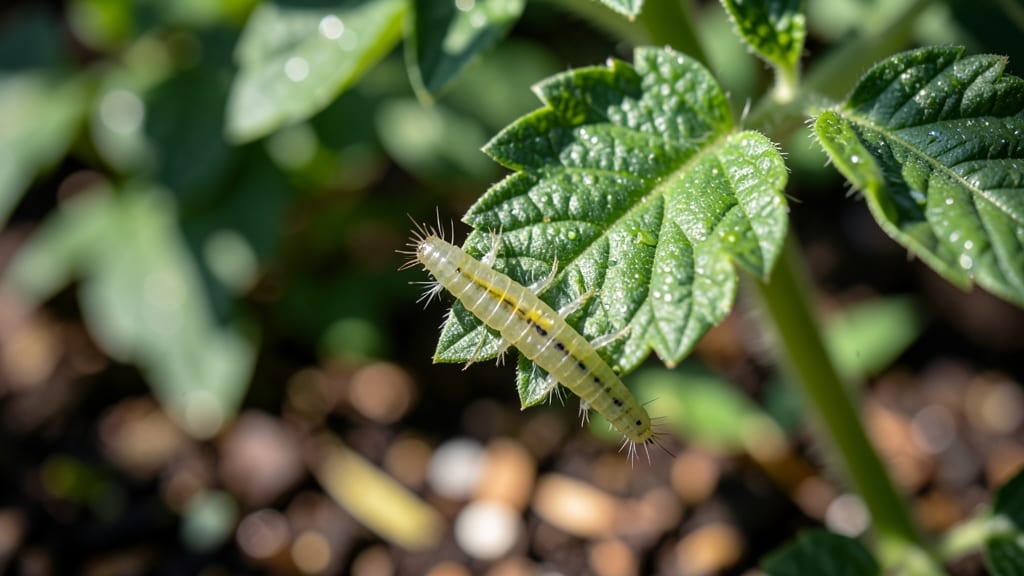
Say goodbye to chemical sprays and hello to a garden thriving without toxic residues. 🌿 Organic plant insect control isn't just possible—it's easier than you think, especially when neem oil becomes your secret weapon against aphids, whiteflies, and caterpillars.
I've saved countless plants from destruction using this simple, eco-friendly method that works faster than you'd expect.
The beauty of neem oil lies in its dual action: it disrupts pests' life cycles while strengthening plant immunity. You only need a few household items—a spray bottle, a bit of soap, and water—to create a potent mix that's safe for pets and pollinators.
What's even better? It's a one-time investment that pays off season after season, cutting down on future pest problems.
Within 24-48 hours of application, you'll notice pests dropping off like raindrops, and new growth emerging with a vibrant green resilience. The spray leaves no harmful residue, so you can harvest your veggies or herbs without hesitation.
Plus, your garden becomes a haven for beneficial insects like ladybugs and lacewings, creating a natural balance that keeps pests at bay.
Works for vegetables, flowers, and houseplants alike—no more excuses for chemical sprays. Let's get your garden back to its natural, thriving self without the harsh side effects.
📚 In This Guide
- What you need
- Instructions
- Tips and common mistakes
- Wrapping up and next steps
What you need
- ● Neem oil (100% cold-pressed, organic): 1 tablespoon per 1 quart of water
- ● Water: 1 quart (32 oz) of distilled or dechlorinated water (tap water is fine if left out overnight to off-gas chlorine)
- ● Spray bottle: 16–32 oz with a fine mist nozzle (glass or food-grade plastic preferred)
- ● Measuring spoons/cup: For precise neem oil and water ratios
- ● Stirring stick or spoon: Wooden or plastic to avoid metal contamination
- ○ Protective gear (optional but recommended): Gloves (nitrile or rubber)
- ● Safety goggles (if spraying near eyes)
- ● Dish soap (mild, unscented): ½ teaspoon (helps oil stick to pests)
- ● Garlic or chili pepper (powdered): ½ teaspoon (adds extra repellent properties)
- ○ Essential oils (optional): 2–3 drops of peppermint, lavender, or rosemary (for scent-based deterrence)
- ● Fine mesh strainer: If using powdered additives to avoid clogging the spray nozzle
Step-by-step instructions for making a natural neem oil pest repellent
Here's how to whip up a powerful, plant-safe spray that keeps pests at bay without harsh chemicals.
🌿 Step 1: Gather and Mix the Base Solution
Fill a 1-quart spray bottle with 1 cup of water. Add 1 tablespoon of neem oil—this is the active ingredient that disrupts insect life cycles and deters pests. Stir gently to avoid creating suds, which can clog spray nozzles. I like to use a wooden spoon for this step because it won’t react with the oil.
Next, add 1 teaspoon of liquid dish soap (unscented, blue-free). This acts as an emulsifier, helping the oil mix with water. Without it, the neem oil would just float on top and not stick to plant surfaces. Give it another gentle stir until the mixture looks uniformly cloudy, not separated.
💧 Step 2: Add Water and Test the Spray Pattern
Top off the spray bottle with 3 cups of additional water to make a total of 4 cups. Shake the bottle vigorously for 30 seconds to fully combine everything. The solution should feel slightly oily to the touch but not greasy—this means the emulsifier is working.
Before spraying your plants, test the spray pattern on a small area of a leaf or a spare piece of cardboard. Hold the bottle 12 inches away and press the trigger. You want a fine mist, not a heavy stream. If the spray clumps or drips, shake the bottle again and try a different angle—this ensures even coverage on delicate foliage.
☀️ Step 3: Apply the Spray at the Right Time
Spray your plants in the early morning or late afternoon when temperatures are below 85°F. This prevents the neem oil from burning leaves in direct sunlight. Start by spraying the undersides of leaves—this is where many pests like aphids and spider mites hide. Hold the bottle 6-12 inches away and apply until the leaves glisten slightly with the solution.
Focus on new growth and flower buds first, as these are the most vulnerable to infestations. Avoid spraying when plants are wilting or under stress, as the neem oil can further weaken them. I like to apply the spray every 7-10 days as a preventive measure, especially during peak pest seasons like spring and summer.
⏰ Step 4: Store and Reapply as Needed
Store any leftover spray in a cool, dark place for up to 1 week. Shake well before each use, as the oil and water will separate over time. If you notice mold or a foul smell, discard the mixture and make a fresh batch—this keeps your plants safe from secondary infections.
Reapply the spray after heavy rain or if you see new pest activity. Neem oil works best as a preventive measure, so consistency is key. If you’re dealing with a severe infestation, you may need to apply the spray 2-3 times per week until pests disappear. Always monitor your plants for signs of stress—if leaves yellow or curl excessively, reduce the frequency of applications.
Tips & tricks for perfect natural pest control sprays
A few simple adjustments will make your neem oil spray even more effective and plant-friendly.
Emulsifier Tip: The liquid dish soap is crucial—don't use scented or blue-containing varieties, as these can irritate plants. I've found that unscented Castile soap works exceptionally well and is gentle on foliage. If you're concerned about residue, rinse plants with water after 24 hours for heavy applications.
Mixing Technique: When shaking the bottle for those 30 seconds, do it vigorously but avoid creating too many bubbles. Too many suds can clog your spray nozzle and make application difficult. I like to shake it upside down for the last 10 seconds to ensure everything mixes completely.
Application Strategy: For stubborn infestations, consider adding a 1 teaspoon of garlic juice to the spray bottle (optional). Garlic enhances the repellent properties and adds an extra layer of pest protection. Just remember to shake well before each use, as garlic can separate from the oil mixture.
Temperature Matters: While the instructions mention spraying below 85°F, I've found that 65-75°F is ideal for maximum effectiveness. Cooler temperatures help the neem oil adhere better to plant surfaces and work more efficiently against pests. Early morning applications often yield the best results.
Pro Tips for Organic Plant Insect Control
- A few simple adjustments will make your neem oil spray even more effective and plant-friendly.
- Emulsifier Tip: The liquid dish soap is crucial—don't use scented or blue-containing varieties, as these can irritate plants.
- Mixing Technique: When shaking the bottle for those 30 seconds, do it vigorously but avoid creating too many bubbles.
Frequently asked questions
Got questions about using neem oil for organic plant insect control?
You’re not alone! Here are some of the most common concerns—and straightforward answers—to help you get the best results without the guesswork.
How quickly does neem oil work to repel pests?
Neem oil starts working within 24 to 48 hours for most pests like aphids, spider mites, and whiteflies. For severe infestations, apply it every 7–10 days until pests disappear. Consistency is key—think of it like a natural shield, not a one-time fix!
What’s the best time of day to spray neem oil?
Spray in the early morning or late afternoon to avoid the harsh midday sun, which can break down the oil’s active ingredients. Also, avoid spraying when flowers are open—it can harm pollinators like bees. Pro tip: Shake well before each use!
Can I use neem oil on edible plants like tomatoes or herbs?
Yes! Neem oil is safe for edible plants once fully absorbed (wait 24–48 hours before harvesting). Just rinse produce thoroughly if you’re concerned. Always follow the dilution ratio (usually 1–2 tbsp per gallon of water) to avoid overapplication.
What if neem oil doesn’t work? Are there other organic alternatives?
If pests persist, try companion planting (e.g., marigolds repel nematodes) or insecticidal soap for soft-bodied bugs. For tougher critters like squash bugs, kaolin clay or pyrethrin-based sprays (derived from chrysanthemums) can help. Rotate methods to prevent resistance!
Will neem oil harm beneficial insects like ladybugs or bees?
Neem oil is least toxic to bees when applied at dusk or dawn, but it can still stress them. Avoid spraying directly on flowers or blooming plants. Beneficial insects like ladybugs and lacewings are more resilient—just reapply neem oil at night for extra safety.
Wrapping up and next steps
Embracing organic plant insect control with neem oil isn’t just about protecting your garden—it’s a step toward healthier plants and a greener planet! 🌱 By harnessing nature’s power, you’re reducing chemical reliance while keeping pests at bay. Start small, experiment with your spray, and watch your garden thrive naturally.
Ready to take action? Try your first batch this weekend—your plants (and the environment) will thank you! For extra tips, check out our FAQ section or explore more organic gardening tricks.