
Planting
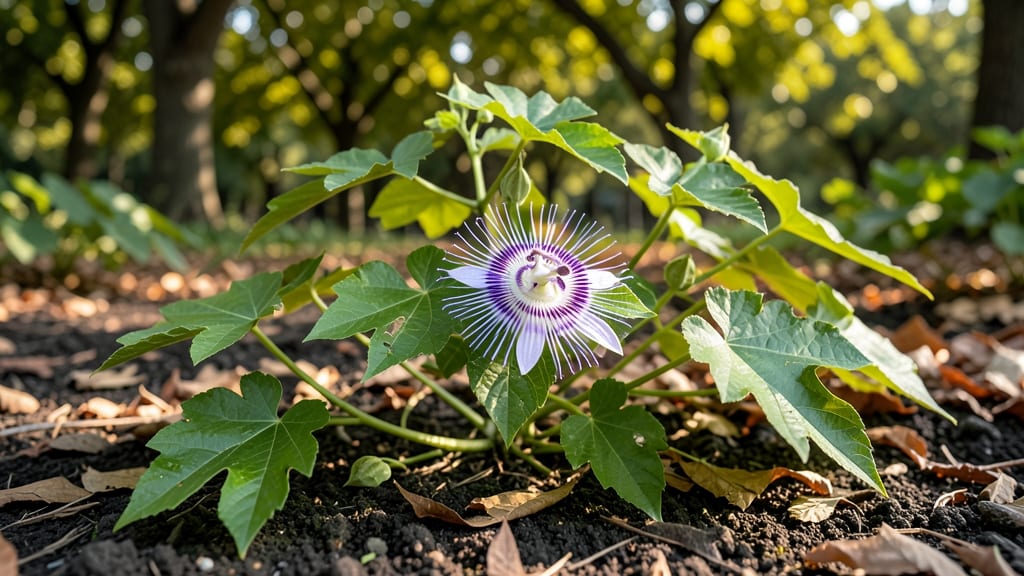
Passionflower plants thrive best in USDA hardiness zones 5 through 11, handling winter temperatures between 10°F and 50°F (-12°C to 10°C). Hardy varieties like maypop (Passiflora incarnata) can survive zone 4 with winter protection, while tropical types require zone 9 or warmer for healthy growth.
Understanding your local climate is key to growing passionflower successfully. 🌿 Native North American species like maypop and blue passionflower handle cooler temperatures better than their tropical cousins, which is why you'll often see them thriving in zones 5-8.
For gardeners in zones 4 or colder, using protective measures like thick mulch or frost blankets can make all the difference during harsh winters.
The real secret lies in choosing the right variety for your specific climate zone—some passionflowers actually prefer cooler conditions and bloom more prolifically when given proper winter dormancy.
What many gardeners don't realize is that even within the same zone, microclimates can create significant differences in plant survival. A south-facing wall or sheltered spot might allow you to grow tropical passionflowers one zone colder than officially recommended.
I always recommend testing your soil's drainage first—poor drainage combined with cold temperatures can be deadly for these plants. The good news is that with the right preparation, you can successfully grow passionflowers in zones as cold as 3 with proper winter care and species selection.
💡 In This Article
- Understanding Passionflower Cold Tolerance by Species
- Extending Passionflower Growth in Cold Climates
Understanding passionflower cold tolerance by species
Passionflower species exhibit dramatic differences in cold tolerance, with native North American varieties showing remarkable resilience compared to tropical relatives.
The maypop (Passiflora incarnata), for instance, thrives in zones 5-9 and can withstand temperatures down to 5°F (-15°C) with proper winter protection, while the blue passionflower (Passiflora caerulea) handles zones 6-10 with similar cold hardiness.
These species enter dormancy in winter, allowing them to survive freezing temperatures that would devastate tropical varieties. 🌱 The key difference lies in their cellular structure—native species develop thicker cell walls and higher concentrations of protective sugars during dormancy, similar to how some fruit trees survive winter.
Tropical passionflowers like Passiflora edulis (purple passionfruit) or Passiflora alata (winged passionflower) require zones 9-11 and struggle when temperatures drop below 32°F (0°C) for extended periods. Their thin leaves and delicate stems lack the protective adaptations of their hardy cousins, making them particularly vulnerable to frost damage.
Even a brief exposure to 28°F (-2°C) can cause irreversible damage to tropical species, while native varieties often recover from similar temperatures with proper care.
This is why gardeners in zone 8 must choose species carefully—some maypop varieties can handle winter lows of 10°F (-12°C), while tropical types may show leaf burn at 35°F (2°C).
The real challenge comes in marginal zones where temperatures hover near the species' limits. In zone 5, for example, maypop can survive winter lows of 0°F (-18°C) when planted in well-drained soil and covered with 6-8 inches of mulch**.
However, prolonged exposure to -10°F (-23°C) will kill even the hardiest varieties. This is why many gardeners in zone 4 grow passionflowers in containers that can be moved to protected locations during winter.
The plant's ability to tolerate cold depends not just on the temperature but also on how quickly it drops—sudden freezes are more damaging than gradual temperature declines.
What most gardeners overlook is how soil moisture affects cold tolerance. Wet soil conducts cold more efficiently, increasing frost damage risk. Native passionflowers actually prefer slightly dry conditions during winter dormancy, which helps protect their roots.
In contrast, tropical species require consistently moist soil year-round, making them poor candidates for colder climates. This is why amending heavy clay soils with organic matter is crucial—it improves drainage while retaining enough moisture to support root health during winter.
Visual differences between species can help with identification. Hardy passionflowers typically have larger, more leathery leaves that appear gray-green, while tropical varieties feature thinner, glossier foliage. The flowers also differ—native species often have more delicate, white or purple blooms, while tropical types showcase vibrant reds and yellows.
These visual cues can help gardeners select the right species for their climate zone before planting. 🌺
For those pushing the limits in zone 4, consider hybrid varieties like Passiflora × matthewsii, which combines hardiness with tropical characteristics. These hybrids can sometimes survive winter lows of 15°F (-9°C) with proper protection, offering a middle-ground option for colder climates.
The trade-off is often reduced flowering or slower growth compared to native species, but they can be excellent choices for container gardening in marginal zones.