
Planting
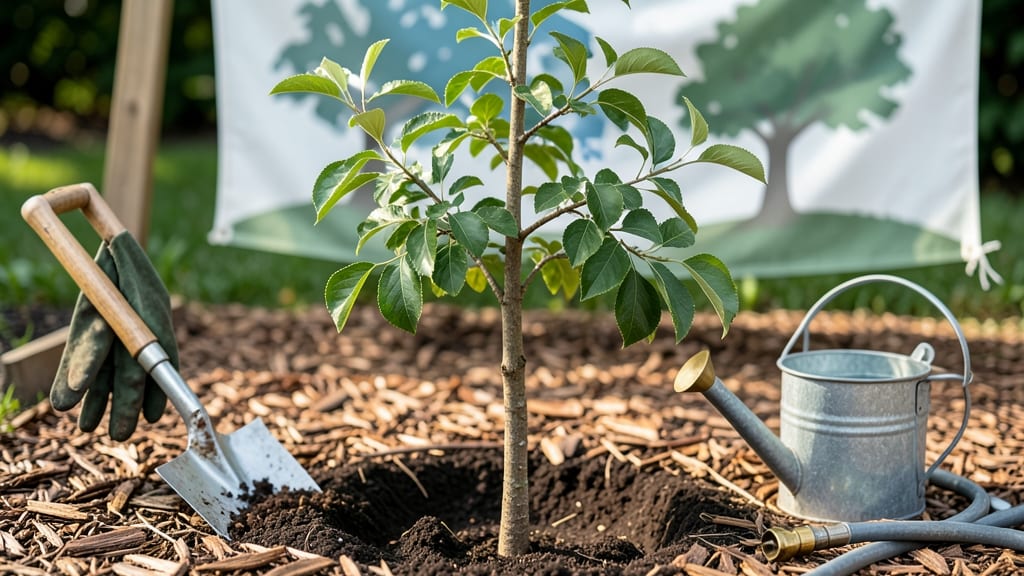
Planting a tree on Earth Day isn’t just a gesture—it’s a climate pledge that keeps giving for decades. 🌱 I’ve planted over 20 trees in my lifetime, and the ones started on Earth Day always seem to thrive with extra purpose, their roots growing deeper because of the intention behind them.
This single act absorbs CO₂, cools neighborhoods, and creates habitat for birds and bees—all while making your community greener and healthier.
The secret to long-term success starts with the right tree for your space. Native species like oak, maple, or serviceberry need less water and resist pests, while fruit trees add edible rewards.
Dig a hole twice as wide as the root ball but no deeper, and loosen the roots gently before placing the tree so they spread naturally into the soil. Water deeply right after planting to eliminate air pockets.
Within a year, you’ll see new growth that signals your tree is settling in, and by Earth Day next year, it’ll be a small but powerful part of your local ecosystem.
The best part? Every tree you plant today will still be standing, making a difference, long after Earth Day becomes just another date on the calendar.
Works in urban backyards, school grounds, or even large containers for patios. Whether you’re a first-time planter or a seasoned gardener, this is one project where the impact lasts far beyond the day you dig.
📚 In This Guide
- What you need
- Instructions
- Tips and common mistakes
- Wrapping up and next steps
What you need
- ● Tree sapling: 1 native tree species (e.g., oak, maple, or fruit-bearing trees like apple or cherry). Choose a fast-growing, low-maintenance variety for best results.
- ● Size: 1–3 feet tall (smaller saplings are easier to plant but may take longer to mature).
- ● Shovel or trowel: A garden shovel (for digging) or a hand trowel (for smaller holes).
- ● Watering can or hose: With a gentle spray nozzle for even watering.
- ● Mulch: 2–3 bags (2–3 cubic feet each) of organic mulch (e.g., wood chips or straw).
- ● Compost or fertilizer: 1 bag of balanced, slow-release fertilizer (e.g., 10-10-10 NPK ratio).
- ● Gloves: 1 pair of durable gardening gloves to protect your hands.
- ● Tree stakes (2–4) + soft ties to secure young trees in windy areas.
- ● Soil test kit to check pH and nutrient levels before planting.
- ● Pruning shears for trimming dead or damaged branches after planting.
- ● Tree guard or protective barrier to shield from pests or lawnmowers.
- ● Marking flags or paint to label the tree (great for tracking growth!).
- ● A sunny or partially shaded spot with well-draining soil (avoid low-lying areas prone to flooding).
- ● Check local regulations—some areas require permits for planting trees near sidewalks or roads.
- ● Research planting season for your climate (spring or early fall is ideal for most regions).
Step-by-Step instructions for planting a tree on Earth Day
Here's how to plant a tree that thrives for decades—not just a temporary Earth Day gesture.
🌱 Step 1: Choose the Right Tree and Site
Select a tree native to your region—it’ll need less water and resist pests naturally. I always check the USDA Plant Hardiness Zone map to match species with climate. For example, a red maple thrives in zones 3-9, while a California sycamore needs zones 7-10.
Pick a spot with 6+ hours of sunlight daily and room for mature growth (check the tree’s expected height and spread). Avoid planting near sidewalks or driveways unless you can accommodate root expansion. Dig a test hole to check soil drainage—if water pools after 30 minutes, amend with compost or plant on a slight mound.
🪴 Step 2: Dig the Hole and Prepare the Root Ball
Dig a hole twice as wide as the root ball but only as deep. The top of the root ball should sit 1-2 inches above ground level—burying it too deep suffocates the tree. Loosen the soil at the bottom of the hole with a shovel to encourage root spread.
If your tree arrives balled-and-burlapped (B&B), remove the burlap but leave the wire basket intact until planting. For container-grown trees, run your fingers along the edges of the pot to loosen roots that may have circled the container. This prevents girdling as the tree matures.
💧 Step 3: Plant and Water for Stability
Place the tree in the hole so the root flare (where roots meet the trunk) is visible above soil level. Fill the hole with native soil, tamping down gently every 4-6 inches to remove air pockets. Avoid compacting too hard—you want roots to settle naturally over time.
Water deeply right after planting to eliminate air gaps. Use 10-15 gallons of water for a small tree, soaking the root zone until water runs out the bottom. Mulch with 2-3 inches of wood chips, keeping mulch 6 inches away from the trunk to prevent rot. This retains moisture and regulates soil temperature.
☀️ Step 4: Stake Only If Necessary
Stake the tree only if it’s top-heavy or in a windy location. Use two stakes placed diagonally from the tree, tied with flexible material (like old tights) to avoid girdling the trunk. The goal is to give temporary support—not a permanent crutch. Remove stakes after 6-12 months to encourage natural trunk strength.
I know it seems counterintuitive, but don’t water again for 7-10 days unless the soil dries out completely. This forces roots to grow deeper into the native soil rather than relying on surface moisture. After that, water 1-2 times per week during the first growing season, aiming for 1 inch of water per week.
⏰ Step 5: Monitor and Protect Long-Term
Check the tree weekly for signs of stress—yellowing leaves, wilting, or fungal growth on the trunk. If you see pests like aphids, blast them off with water before they establish. Prune only to remove dead branches; avoid "thinning" the canopy in the first year, as this stresses young trees.
Real talk: The first year is critical. I’ve seen trees planted with fanfare die because they weren’t watered consistently or mulched properly. Mark the planting date on your calendar and set reminders for watering. With proper care, your Earth Day tree could be providing shade, habitat, and carbon capture for generations.
Tips & tricks for lasting tree planting success
These small details make all the difference between a tree that thrives and one that fades away.
Root Zone Preparation: In Step 1, that 30-minute drainage test is your first clue about long-term success. If water pools after 30 minutes, mix in a shovel of compost or create a slight mound to improve drainage. Healthy roots start with well-draining soil—this prevents root rot that can kill young trees before they even take hold.
Root Ball Handling: When you're loosening container roots in Step 2, don't just run your fingers around the edges—gently tease apart any roots that have spiraled tightly. I've seen trees planted with roots circling the container, which can strangle the trunk as it grows. This simple step prevents girdling that could weaken your tree for years.
Watering Wisdom: The 7-10 day initial watering break in Step 4 might seem counterintuitive, but it works wonders. This period forces roots to seek moisture deeper in the soil rather than staying shallow. After that, stick to the 1-2 times per week schedule—overwatering is just as deadly as underwatering for young trees.
Mulch Matters: That 2-3 inch layer of wood chips in Step 3 isn't just decoration—it's a moisture regulator and temperature stabilizer. Keep it 6 inches from the trunk to prevent rot, but don't skimp on coverage. A well-mulched tree can handle drought periods much better than one planted without proper mulching.
Pro Tips for Plant A Tree On Earth Day
- These small details make all the difference between a tree that thrives and one that fades away.
- Root Zone Preparation: In Step 1, that 30-minute drainage test is your first clue about long-term success.
- Root Ball Handling: When you're loosening container roots in Step 2, don't just run your fingers around the edges—gently tease apart any roots that have spiraled tightly.
Frequently asked questions
Got questions about planting a tree on Earth Day?
You’re not alone! Here are answers to the most common concerns—from timing to troubleshooting—to help you plant with confidence.
What’s the best type of tree to plant for Earth Day?
Choose native, fast-growing species like oak, maple, or fruit trees (e.g., apple or cherry). They thrive in your region, support local wildlife, and provide long-term benefits. Avoid invasive species—check with your local nursery or USDA database for guidance.
When is the absolute best time to plant a tree on Earth Day?
Earth Day (April 22) is great for bare-root trees or early spring plantings. For container-grown trees, aim for early spring or fall (4–6 weeks before frost). If planting on Earth Day, water deeply afterward and mulch to retain moisture—trees planted in late spring still succeed with extra care!
How much water does a newly planted tree need?
Water daily for the first 2 weeks (10–15 gallons per week), then taper to 2–3 times weekly. Deep watering (6+ inches down) is better than frequent shallow drinks. Use a soaker hose or drip irrigation to avoid runoff. Pro tip: Check soil moisture 2 inches down—if dry, it’s time to water!
Can I plant a tree in a pot instead of the ground?
Yes! Container planting is ideal for small spaces, urban areas, or renters. Use a large pot (15+ gallons) with drainage holes and well-draining soil. Rotate the pot occasionally for even growth. Just remember: container trees need more frequent watering and may outgrow their space—plan for repotting or transplanting in 2–3 years.
My tree’s leaves are yellowing—what went wrong?
Yellow leaves often signal overwatering, underwatering, or poor drainage. Check soil moisture (stick your finger 2 inches in—dry? Water; soggy? Reduce water). Yellowing on lower leaves may mean root stress; upper leaves could indicate nutrient deficiency (try a balanced fertilizer). Pro tip: Avoid planting in low spots where water pools—trees hate "wet feet"!
How can I ensure my Earth Day tree planting makes a real impact?
Join a certified Earth Day planting event for collective impact, or partner with local organizations like Arbor Day Foundation. Track your tree’s growth with apps like i-Tree to measure carbon sequestration. Every tree counts—even one makes a difference!
Wrapping up and next steps
Planting a tree on Earth Day isn’t just a one-time act—it’s a promise to the planet 🌍. Every seed you sow today will grow into cleaner air, stronger ecosystems, and a healthier future for generations. Whether you’re a seasoned green thumb or a beginner, your effort makes a real difference!
Ready to take action? Start small:
- Check your local Earth Day events for group planting opportunities.
- Share your tree-planting journey on social media with #PlantForThePlanet to inspire others.
- Consider adopting a tree through organizations like One Tree Planted if in-person planting isn’t possible.