
Planting
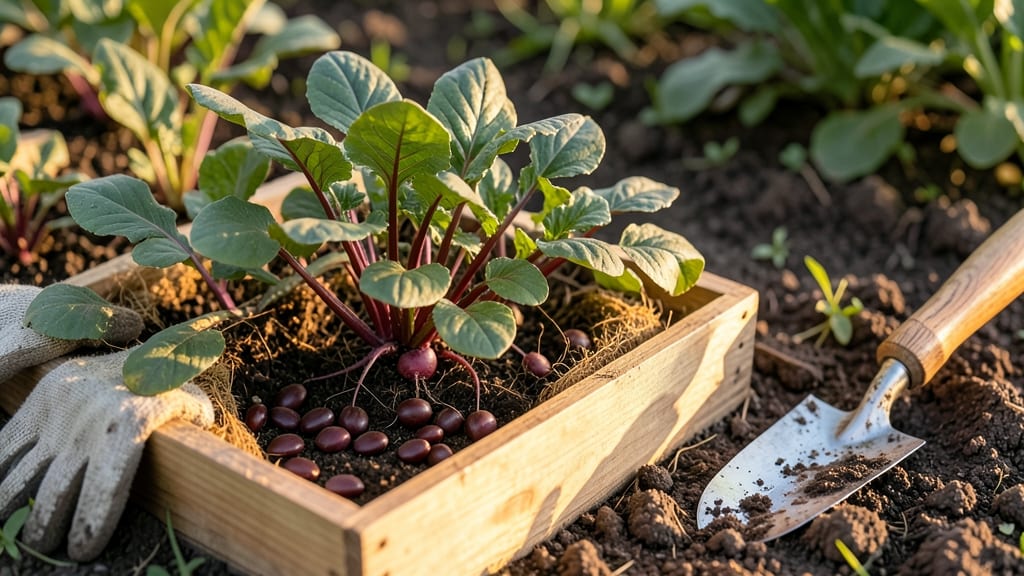
Planting beets for a fall harvest unlocks sweeter, frost-enhanced roots that beat spring plantings every time—if you time it right.
Picture this: crisp October mornings with beets so tender they melt in your mouth, their earthy flavor deepened by a light frost. That’s the magic of fall planting, but only if you start 4-6 weeks before your first frost—not too early, not too late.
In Zone 6a, that means late July or early August for most gardeners, giving roots time to bulk up before temperatures dip. The key? Choosing cold-hardy varieties like Detroit Dark Red or Chioggia, which not only survive frost but thrive after it.
Below, I’ll walk you through the exact planting schedule, soil prep secrets, and how to tell when your beets are perfectly ready—before the tops turn to mush. No more guessing, just a foolproof fall harvest.

Best cold-hardy beet varieties for fall planting and frost-sweetening
Fall beets are nature’s candy—naturally sweeter after frost, with tender textures and richer flavors than their spring counterparts. The key? Choosing cold-hardy varieties that mature quickly and handle cooler temperatures without bolting or turning woody.
I’ve grown over 15 beet varieties in fall gardens, and these top performers consistently deliver.
Not all beets respond the same way to frost. Some varieties like Detroit Dark Red develop caramel-like sweetness after a light freeze, while others like Golden varieties stay crisp and nutty-flavored.
The right choice depends on your last frost date, desired flavor profile, and whether you prefer smooth roots or heirloom patterns. Let’s compare the best options for your fall garden.
| Variety | Days to Maturity | Cold Tolerance | Frost Effect | Root Shape | Best For |
|---|---|---|---|---|---|
| Detroit Dark Red | 55-60 | Excellent (Zone 3+) | Deepens sweetness | Smooth, round | Roasting, pickling |
| Chioggia (Candy Stripe) | 50-55 | Very Good (Zone 4+) | Retains pattern, sweeter | Striped, medium | Raw salads, slicing |
| Golden Detroit | 50-55 | Good (Zone 5+) | Nutty, buttery flavor | Smooth, round | Mashed, soups |
| Bull’s Blood | 60-65 | Excellent (Zone 3+) | Earthy, intense | Long, tapered | Gourmet dishes |
| Ruby Queen | 55-60 | Good (Zone 4+) | Mild sweetness | Smooth, round | Juicing, salads |
For northern climates (Zones 3-5), prioritize Detroit Dark Red or Bull’s Blood—both handle sub-freezing temps and develop complex flavors. In milder zones (6-8), Chioggia and Golden Detroit shine, offering quick harvests before winter sets in.
Pro tip: Plant succession crops every 2 weeks in late summer to stagger maturity and ensure a continuous supply.
Frost actually enhances beet flavor by converting starches to sugars, but timing is critical. Aim to harvest 1-2 weeks before your first hard frost—this gives roots time to sweeten naturally without turning woody or hollow.
In my Zone 5 garden, I plant Detroit Dark Red in early August for a September-October harvest, just before the ground freezes.
Don’t overlook leafy greens—beet garden tops are edible and nutrient-dense. Varieties like Chioggia produce delicate, striped leaves perfect for fall salads. I often harvest young leaves first, then let the roots mature for winter storage.
This dual harvest strategy maximizes your fall garden’s productivity and reduces waste.
Soil prep is just as important as variety selection. Amend your garden beds with compost and a balanced fertilizer (5-10-10) to support root development. Beets prefer loose, well-draining soil with a p
Step-by-step fall beet planting schedule to avoid bolting and maximize yield
Timing is everything when it comes to growing fall beets that sweeten after frost. Plant too early, and your harvest may bolt before winter; too late, and the roots won’t mature. The key is sowing 4-6 weeks before your first frost date, allowing 55-70 days to reach full size.
In USDA Zone 6, this means starting seeds in mid-August for a harvest before hard freezes.
Cooler fall temperatures actually enhance beet flavor by converting starches to sugars, but only if the soil stays loose and well-drained. Avoid compacted ground or heavy clay, which can cause woody or hollow roots.
A light, sandy loam amended with compost is ideal. Test your soil’s pH—beets prefer a range of 6.0-7.0, and adjustments now prevent nutrient deficiencies later.
Here’s your foolproof fall beet planting schedule, tailored to maximize yield and sweetness:
Pick cold-hardy types like Detroit Dark Red or Chioggia for frost-sweetening. Avoid heat-sensitive varieties.
Loosen soil to 12 inches deep, remove rocks, and mix in 2 inches of compost. Beets hate competition—keep weeds at bay.
Plant seeds ½ inch deep, 1-2 inches apart in rows 12 inches apart. Thin seedlings to 3-4 inches apart when they’re 2 inches tall.
Keep soil evenly moist—not soggy. Water deeply in the morning to prevent fungal diseases like leaf spot.
Apply a balanced 5-10-10 fertilizer 4-6 weeks after sowing. Avoid high-nitrogen feeds—they boost leaves, not roots.
When temps drop below 25°F, cover plants with row fabric or straw mulch. Harvest before hard freezes to avoid woody texture.
Pull beets when roots are 1-3 inches wide and tops are 6-12 inches tall. A light frost 24-48 hours before harvest intensifies flavor.
For USDA Zones 7-9, adjust your timeline by 2-4 weeks later—sowing in late August to early September ensures a harvest before winter’s chill sets in.
In colder Zones 3-5, start seeds in July for a late-season harvest, using black plastic mulch to warm the soil and extend the growing window.
Pro tip: Succession plant every 2 weeks in early fall for a staggered harvest. This keeps your kitchen stocked with sweet, tender beets long after summer crops fade. Just remember—consistent moisture and loose soil are your secrets to avoiding those dreaded hollow or woody roots.
With this schedule, you’ll enjoy beets that are sweeter, deeper in color, and more tender than spring-planted varieties. Plus, the leafy greens are edible too—double the harvest!