
Planting
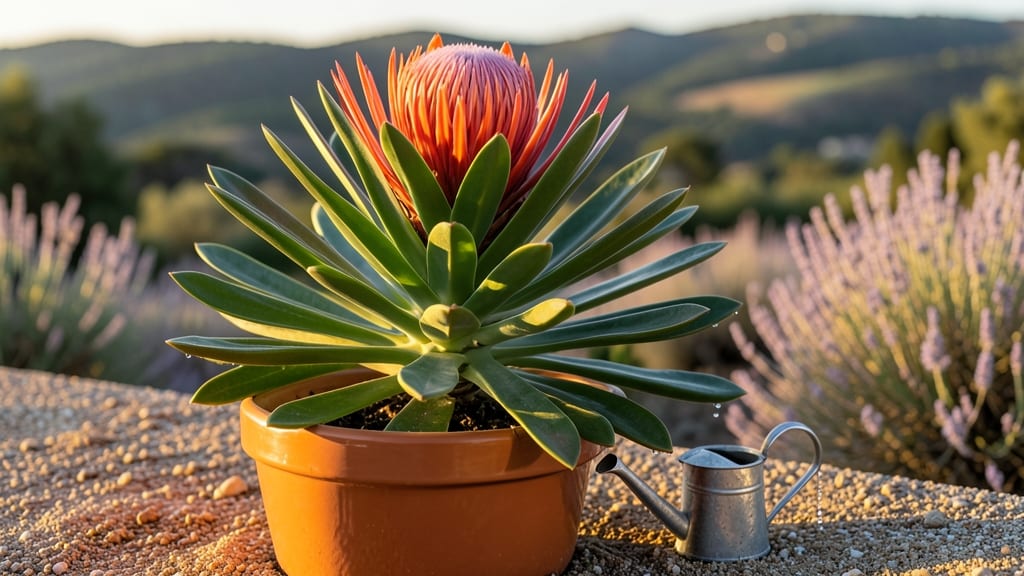
Caring for protea plants unlocks those striking, papery blooms that last for weeks—if you get the basics right. 🌻 I’ve learned the hard way that proteas aren’t your average houseplant: they demand well-draining soil, bright light, and a watering schedule that mimics their South African desert roots.
Skip these, and you’ll end up with a sad, leggy plant instead of a showstopper.
Start with fast-draining potting mix (add perlite or pumice) and a container with drainage holes—proteas hate soggy roots. Place them in full sun (at least 6 hours daily) and water only when the top inch of soil feels dry.
Overwatering is their #1 enemy, so let the soil dry out completely between drinks. Fertilize lightly in spring with a balanced formula, but skip heavy feeding once blooms appear.
Pruning keeps them compact and encourages more flowers. After blooms fade, trim back dead stems to just above the next set of buds. With the right care, your protea will reward you with bold, long-lasting blooms that turn heads year-round.
The key? Patience—these plants grow slowly but pay off big time.
For container growers, winter care is critical: move pots indoors where temps stay above 40°F, or protect them from frost. Watch for pests like spider mites (wipe leaves with soapy water if you spot them) and adjust care as seasons change.
Once you master these basics, proteas become the easiest way to add drama to any space.
📚 In This Guide
- What you need
- Instructions
- Tips and common mistakes
- Wrapping up and next steps
What you need
- ● Container: A well-draining pot (12–18 inches deep) with drainage holes. Terracotta or ceramic pots are ideal.
- ● Protea plant: A healthy Leucospermum or Serruria species (choose a size that fits your container).
- ● Well-draining soil mix: 60% cactus/succulent mix, 30% perlite or pumice, and 10% coarse sand or orchid bark.
- ● Mulch: Pine bark fines or gravel (1–2 inches) to retain moisture and prevent soil compaction.
- ● Garden trowel (for planting and soil adjustments).
- ● Watering can with a rose nozzle (for gentle watering).
- ● pH testing kit (to monitor soil acidity, ideal range: 4.5–6.0).
- ● Fertilizer: Slow-release acid-loving plant fertilizer (e.g., Osmocote or Miracle-Gro Azalea).
- ● Pruning shears (for deadheading spent blooms).
- ● Spray bottle (for misting in dry climates).
- ● Support stake or trellis (if growing tall varieties).
Step-by-step protea plant care for container growers
Here’s the straightforward approach I’ve used to keep proteas blooming beautifully in pots for years.
🪴 Step 1: Choose the Right Container and Soil Mix
Proteas need excellent drainage—pick a container with multiple drainage holes and at least 12 inches deep. I use unglazed terra cotta pots because they wick away excess moisture naturally. If your pot lacks holes, drill them yourself—waterlogged roots will kill your plant within weeks.
Fill the bottom 2 inches with coarse gravel or perlite for drainage. Then, mix 50% well-draining potting soil with 50% coarse sand or orchid mix. Proteas hate soggy feet, so this blend prevents root rot. Tap the pot gently to settle the mix without compacting it—you want fluffy, airy soil that mimics their natural sandy habitat.
☀️ Step 2: Position for Maximum Sunlight and Shelter
Proteas demand full sun—place your container in a spot that gets at least 6 hours of direct sunlight daily. A south-facing window or outdoor patio works best. If you’re growing indoors, supplement with a grow light kept 12–18 inches away for 14 hours a day. Without enough light, stems stretch weakly and blooms never open.
Here’s the thing—proteas hate wind. If outdoors, move the pot to a sheltered spot during storms. I’ve seen blooms shredded by gusts, and it’s heartbreaking. A lightweight trellis or windbreak nearby saves the day. Also, avoid extreme heat—proteas thrive in 60–75°F and may drop buds if temperatures climb above 85°F for days.
💧 Step 3: Water Deeply but Infrequently
Water proteas only when the top 2 inches of soil feel completely dry. Stick your finger in—if it’s damp, wait. Overwatering is the #1 killer. When you do water, soak the soil thoroughly until water runs out the drainage holes. This encourages deep root growth, which proteas need to stay sturdy. I use a watering can with a narrow spout to direct moisture right to the roots without splashing leaves.
After watering, empty the saucer immediately. Stagnant water in the tray causes root rot faster than anything else. In winter, reduce watering to once every 10–14 days—proteas go semi-dormant and need far less moisture. Yellowing leaves? That’s usually a sign you’re watering too often.
✂️ Step 4: Prune and Fertilize for Long-Lasting Blooms
Prune proteas right after flowering to encourage new growth. Cut back one-third of the oldest stems to the nearest leaf node. This keeps the plant bushy and prevents legginess. Use clean, sharp pruners to avoid tearing stems—proteas are tough but not indestructible. Deadhead spent blooms regularly to redirect energy into fresh flowers.
Feed your protea once in early spring with a balanced, water-soluble fertilizer (like 10-10-10) diluted to half-strength. Too much fertilizer burns roots. I skip fertilizing in summer—proteas are light feeders and bloom best when slightly stressed. In fall, switch to a low-phosphorus fertilizer to support root health without encouraging late-season growth that won’t harden off before winter.
🌿 Step 5: Protect and Overwinter for Next Year
If temperatures drop below 30°F, move your protea indoors to a cool, bright spot (like a garage with a window). Keep watering to once every 3–4 weeks—just enough to prevent the soil from drying out completely. Proteas are semi-evergreen, but they’ll drop some leaves in winter, which is normal. Don’t panic if it looks sparse.
Before bringing it back outside in spring, gradually reintroduce sunlight over 1–2 weeks. Sudden light exposure can scorch leaves. Once outside, resume your regular watering and fertilizing schedule. With this care, your protea will reward you with stunning blooms for years—and trust me, the first time you see those giant, showy flowers open, it’s worth every effort.
Tips & tricks for perfect protea plant care
Here’s what nobody tells you about keeping your protea thriving—these are the details that make all the difference.
Drainage is Non-Negotiable: After filling your container with the 2 inches of coarse gravel or perlite, place a layer of landscape fabric over it before adding soil. This prevents the gravel from mixing into your potting blend while still allowing water to drain freely. I learned this the hard way after finding gravel clumps in the roots during repotting—it’s a nightmare to remove!
Light is Everything: If your protea isn’t blooming, check the light first. The 6 hours of direct sunlight requirement isn’t flexible—even partial shade can cause buds to fail. For indoor growers, position your grow light 12 inches away and adjust the height as the plant grows. I’ve seen proteas stretch toward weak light sources, resulting in those sad, spindly stems that never produce flowers.
Soil Texture Matters: When mixing your 50-50 blend of potting soil and coarse sand, sift both components through a 1/4-inch mesh screen first. This removes clumps that could compact in the pot, ensuring that airy texture proteas crave. I’ve noticed my plants with unsifted soil develop waterlogged pockets where roots can’t breathe—always worth the extra 5 minutes of prep.
Wind Protection Pays Off: Those dramatic protea blooms are delicate! If you’re growing outdoors, consider wrapping the pot in burlap or chicken wire during storm season. I’ve seen blooms shredded in minutes by strong winds—it’s heartbreaking to watch. Even a simple plastic milk crate placed strategically can act as a windbreak without looking out of place.
Pro Tips for Protea Plant Care
- Here’s what nobody tells you about keeping your protea thriving—these are the details that make all the difference.
- Drainage is Non-Negotiable: After filling your container with the 2 inches of coarse gravel or perlite, place a layer of landscape fabric over it before adding soil.
- Light is Everything: If your protea isn’t blooming, check the light first.
Frequently asked questions
Got questions about keeping your protea plant happy?
You’re not alone! Here are answers to the most common concerns—from pruning to pests—so you can enjoy those stunning blooms all year.
How often should I water my protea plant?
Water your protea deeply but infrequently—about once a week (adjust for climate). Let the top 1–2 inches of soil dry out between waterings. Overwatering causes root rot, while underwatering stresses the plant. Pro tip: Use well-draining soil and a pot with drainage holes to prevent soggy roots!
When and how should I prune my protea?
Prune after flowering to shape the plant and encourage new growth. Cut back dead or leggy stems to just above a leaf node. Avoid heavy pruning in winter—they’re dormant! Use clean, sharp shears to prevent disease. Bonus: Pruning also helps keep your protea compact in containers.
What pests commonly attack protea plants, and how do I treat them?
Watch for aphids, scale, or spider mites—they love proteas! Blast off pests with a strong water spray or use insecticidal soap. For severe infestations, neem oil works wonders. Preventative tip: Keep your plant healthy with proper watering and airflow to deter pests.
Can proteas survive indoors, or do they need outdoor conditions?
Proteas thrive outdoors in USDA Zones 7–10, but you can grow them indoors near a south-facing window with bright, indirect light. Use a grow light if natural light is limited. Warning: They’re sensitive to drafts—keep them away from AC vents or heaters!
Why aren’t my protea flowers opening, even with good care?
Slow or no blooms often mean low light, poor drainage, or nutrient deficiencies. Move your plant to a sunnier spot, fertilize with a low-phosphorus bloom booster in spring, and ensure proper drainage. Fun fact: Proteas bloom best when slightly stressed—don’t overwater!
Wrapping up and next steps
Caring for your protea plant is a rewarding journey that brings bold, vibrant blooms to your space year-round! 🌸 With the right soil, sunlight, and occasional pruning, you’ll enjoy stunning flowers for months. Remember, patience and consistency are key—your protea will thrive with love and attention.
Ready to take the next step? Grab your gardening tools and give your protea the care it deserves. Watch it flourish, and soon, you’ll be the envy of every plant lover! 🌱✨