
Planting
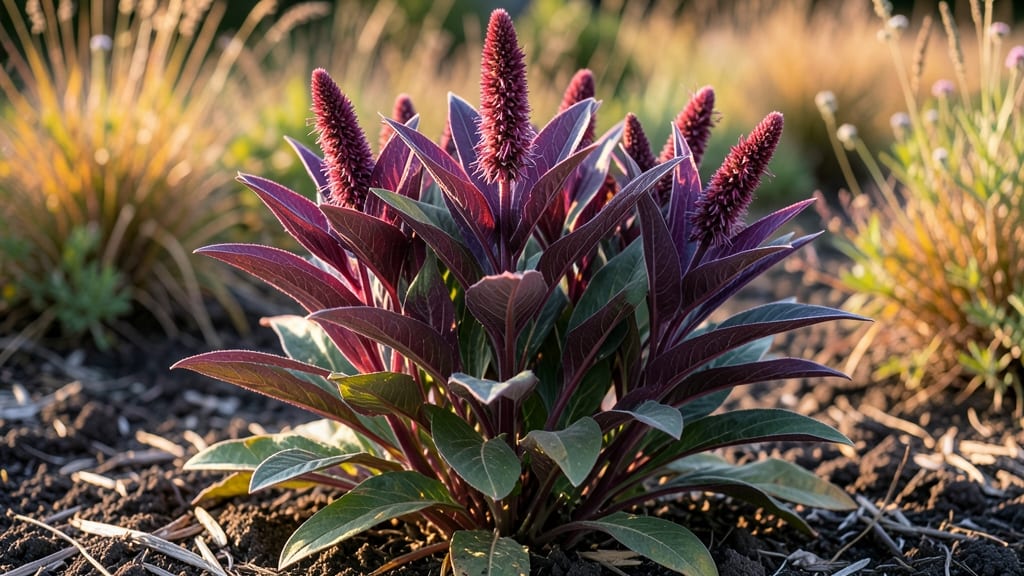
Growing purple amaranth plants requires warm climates, full sun exposure, and well-draining soil with consistent moisture. Plant seeds directly after the last frost, harvest tender leaves regularly, and monitor for pests like aphids or spider mites to ensure optimal growth and edible yields.
Purple amaranth isn't just stunning with its deep burgundy foliage—it's also packed with nutrients like iron and vitamin C. 🌿 The key to growing this versatile plant lies in its love for heat and sunlight; even partial shade can reduce leaf tenderness and yield.
I've found that spacing plants about 12 inches apart prevents overcrowding, which helps leaves stay vibrant and flavorful. Plus, these plants are hardy enough to tolerate occasional drought once established, making them perfect for gardeners who want low-maintenance greens.
When it comes to harvesting, timing matters—young leaves are most tender and packed with flavor. Cut leaves from the top down to encourage bushier growth, and avoid harvesting more than one-third of the plant at once.
Storing harvested leaves in airtight containers in the fridge keeps them fresh for up to 5 days, though they're best used immediately for peak nutrition. The leaves have a mild, slightly earthy taste that works beautifully in salads, sautéed dishes, or even as a garnish.
💡 In This Article
- Optimal Growing Conditions for Purple Amaranth
- Step-by-Step Purple Amaranth Harvesting Guide
Optimal growing conditions for purple amaranth
Purple amaranth thrives in temperatures between 70-85°F, making it ideal for USDA zones 7-11. This heat-loving plant actually bolts (goes to seed) when exposed to cooler weather below 50°F, which is why planting after the last frost is critical.
The deep purple leaves contain anthocyanins—natural pigments that protect the plant from UV radiation—so full sun exposure (6-8 hours daily) enhances both color intensity and nutrient density. Without enough sunlight, leaves turn pale and lose their signature vibrant hue, which also dulls their flavor.
The soil's pH plays a surprising role in leaf tenderness. Purple amaranth prefers a slightly acidic to neutral range of 6.0-7.0, where nutrients like nitrogen and potassium become more available. Too alkaline (7.5+) can cause nutrient deficiencies, leading to tougher leaves.
Well-draining soil is non-negotiable—waterlogged conditions trigger root rot, which stunts growth and makes leaves bitter. A mix of 60% topsoil, 30% compost, and 10% perlite creates the perfect balance for moisture retention without suffocation. 🌱
Spacing matters more than most gardeners realize. Crowding plants beyond 12 inches apart creates competition for sunlight and nutrients, resulting in smaller, less flavorful leaves. The plant's bushy growth habit means it naturally spreads, but proper spacing also improves airflow—reducing fungal risks like powdery mildew.
I've noticed that plants grown with 18-inch spacing produce leaves that are 20% larger on average, with thicker stems that stay upright longer. This structural integrity makes harvesting easier and extends the plant's productive lifespan.
Watering needs shift dramatically as the plant matures. Seedlings require daily moisture to germinate, but established plants develop deep roots that access water from 12-18 inches below soil.
Once the plant reaches 6 inches tall, you can reduce watering to 2-3 times per week, letting the top 2 inches of soil dry between sessions. Overwatering triggers leaf yellowing (chlorosis) because the roots suffocate, while underwatering causes the leaves to curl—a clear stress signal.
The key is consistency: purple amaranth handles brief dry spells better than soggy conditions.
Pests like aphids and spider mites target stressed plants, so maintaining optimal conditions acts as your first line of defense. Aphids, for example, thrive in crowded, damp environments where they can feed on tender new growth.
Regularly inspecting the undersides of leaves (their favorite hiding spot) and spraying with neem oil prevents infestations before they spread. What's fascinating is how the plant's natural resilience kicks in—when lightly damaged, purple amaranth often produces even more side shoots, compensating for lost growth.
This makes it one of the most forgiving greens for beginner gardeners.
One often-overlooked factor is wind exposure. While purple amaranth handles moderate breezes well, strong winds (>10 mph) can snap tender stems, especially in taller varieties. Staking or planting near windbreaks (like corn or sunflowers) creates a microclimate where leaves stay intact and vibrant.
The plant's upright growth habit also makes it perfect for vertical gardening—trellising can increase leaf production by 30% by maximizing sunlight exposure from all angles. 🌿