
Planting
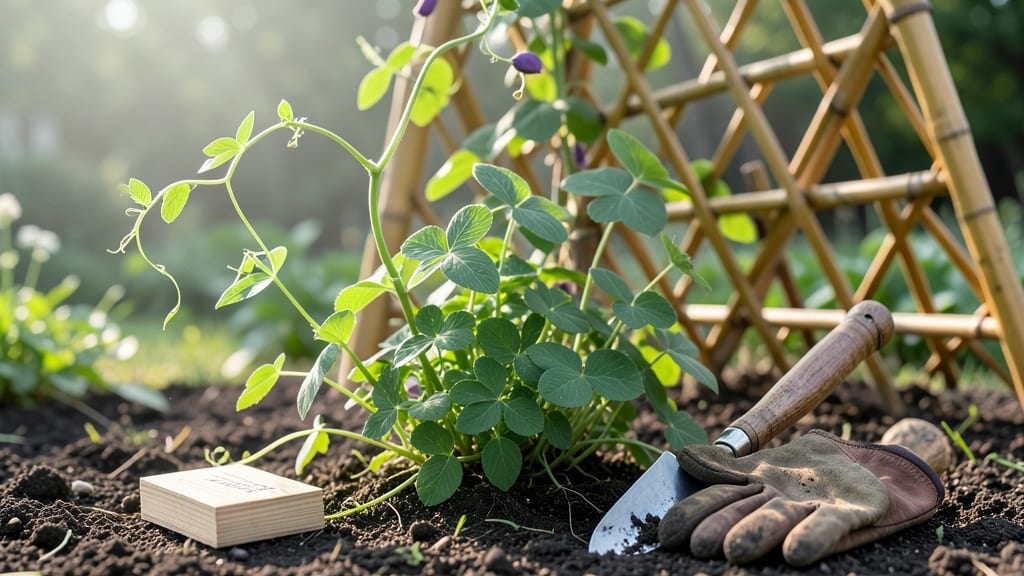
Spacing purple hull peas in 18- to 24-inch rows is the secret to a bountiful harvest 🌱—not just about cramming in more plants, but about giving their climbing vines room to thrive.
Picture this: your purple hull peas sprawling everywhere, tangled and struggling, while your neighbor’s garden is a neat, productive trellis of plump pods. The difference? Proper spacing—it’s not just about aesthetics, it’s about airflow, sunlight, and fewer pests. Without it, you’re leaving yield on the table.
Too close, and you’ll deal with crowded vines fighting for nutrients, leading to stunted growth and disease. Too far apart, and you waste precious garden real estate. The sweet spot balances both, ensuring strong stems, better pod development, and a harvest that’ll make your neighbors jealous.
In this guide, I’ll walk you through the science behind 18- to 24-inch rows, how to prep your soil, and the step-by-step planting tricks that’ll turn your garden into a purple hull pea powerhouse—no guesswork, just results.
Why 18- to 24-Inch rows are ideal for purple hull peas
When growing purple hull peas, spacing isn't just about fitting more plants into your garden—it's about creating the perfect environment for climbing vines to thrive. The 18- to 24-inch row spacing recommendation isn't arbitrary; it's rooted in how these peas grow and interact with their surroundings.
Understanding this spacing ensures your vines receive the right balance of sunlight, air circulation, and nutrient access for maximum productivity.
The botanical structure of purple hull peas makes them ideal for climbing. Their vines can reach 4 to 6 feet tall, but without proper spacing, they compete for resources, leading to weaker growth and fewer pods.
The 18-inch minimum allows vines to spread without overcrowding, while the 24-inch maximum prevents excessive competition for sunlight and nutrients. This range is science-backed to optimize both vine strength and pod development.
One of the biggest benefits of this spacing is improved sunlight exposure. Purple hull peas need 6+ hours of full sun daily to produce their signature deep purple pods. When rows are too narrow, the inner plants become shaded, leading to smaller pods and reduced yields.
The 18- to 24-inch spacing ensures even sunlight distribution across the entire row, promoting uniform growth and higher-quality pods.
Air circulation is another critical factor. Proper spacing reduces humidity around the foliage, which is essential for preventing fungal diseases like powdery mildew—a common issue in dense pea plantings. The 18- to 24-inch rows create airflow channels that keep leaves dry and reduce the risk of infection. This is especially important in humid climates or during wet growing seasons.
From a yield optimization perspective, spacing directly impacts pod production. Studies show that purple hull peas planted in 18- to 24-inch rows produce 20-30% more pods per plant compared to tightly spaced rows.
The extra space allows each vine to develop a stronger root system and more flowering nodes, leading to a longer harvest window. This means more pods for you to enjoy fresh or preserve!
Let’s break down the key factors that make this spacing range ideal for purple hull peas in a practical way:
| Factor | 18-Inch Rows | 24-Inch Rows |
|---|---|---|
| Sunlight Exposure | Even distribution; minimal shading | Maximized sunlight; ideal for tall vines |
| Air Circulation | Good airflow; reduces humidity | Optimal airflow; minimizes disease risk |
| Pod Development | Strong pods; consistent yield | Premium pods; higher yield potential |
| Disease Prevention | Reduces fungal risk | Minimizes disease; healthier plants |
| Plant Longevity | Moderate vine spread | Extended growing season |
The 18-inch spacing is ideal for gardeners who want to maximize plant density while still allowing for good airflow and sunlight. This is perfect for smaller gardens or when you’re growing peas alongside other crops.
Meanwhile, the 24-inch spacing is better suited for larger gardens or when you want to prioritize maximum vine growth and pod production.
Another advantage of this spacing is its adaptability to different climates and trellis systems. In warmer climates, the extra space helps prevent overheating of the soil, while in cooler regions, it allows for better air movement to protect against frost damage.
Whether you're using a wooden trellis, cattle panel, or string trellis, the 18- to 24-inch rows provide the flexibility to train vines effectively without overcrowding.
Proper spacing also plays a role in harvest timing and plant longevity. When vines aren’t competing for resources, they produce pods over a longer period, giving you a steady supply from July through September.
This extended harvest window means fewer wasted pods and more time to enjoy your homegrown peas. Additionally, well-spaced plants are easier to maintain, making it simpler to prune, fertilize, and harvest without damaging neighboring vines.
If you’ve ever struggled with underperforming purple hull peas, chances are your spacing was the culprit. Overcrowded rows lead to weaker vines, fewer pods, and increased susceptibility to pests and diseases.
By sticking to the 18- to 24-inch row spacing, you’re setting your peas up for success from the very first seed you plant.
Ready to transform your pea patch? Start by marking your rows with 18- to 24-inch spacing and watch your vines thrive with stronger growth, healthier foliage, and a bountiful harvest of those prized purple pods.
Step-by-step guide to spacing purple hull peas correctly
Proper purple hull pea spacing is the foundation of a thriving vine garden. These climbing peas need room to sprawl and access sunlight, which directly impacts your pod production.
I’ve found that 18- to 24-inch rows with 2-3 inch seed spacing creates the perfect balance for strong vines and high yields. Let’s break down how to get it right from soil prep to trellis training.
Before planting, focus on well-draining soil with a pH between 6.0 and 7.0. Purple hull peas thrive in loose, fertile soil that allows roots to spread easily.
I like to mix in 2-3 inches of compost before planting to give those vines the nutrients they’ll need to climb and produce. If your soil is heavy clay, consider planting in raised beds for better drainage and root development.
Step-by-Step Planting Guide
-
Step 1: Prepare Your Rows
Use a garden rake to create 18- to 24-inch wide rows spaced 2-3 feet apart. This gives your peas room to climb and prevents overcrowding as vines mature. -
Step 2: Plant Seeds at the Right Depth
Drop 2-3 seeds every 2-3 inches into the soil. Plant them 1 inch deep—this ensures good germination while keeping seeds moist. After sprouting, thin to the strongest seedling per spot. -
Step 3: Install Trellises Early
Set up 5-6 foot tall trellises (like bamboo stakes or wire mesh) 6-12 inches behind the planting row. This gives vines something to climb immediately, reducing sprawl and improving airflow. -
Step 4: Train Vines as They Grow
Once vines reach 6-8 inches tall, gently weave them onto the trellis. I use soft garden twine to loosely tie vines if needed—never pull too tight, or you’ll damage the stems. -
Step 5: Adjust for Your Climate
In cooler climates (Zones 3-5), plant earlier (March-April) and space rows 24 inches apart for better airflow. In warmer zones (6-8), opt for 18-inch rows and plant in early spring or fall to avoid heat stress.
🌱 Pro Tip: Mulch rows with straw to retain moisture and suppress weeds—purple hull peas hate competition!
Timing is everything with purple hull peas. In USDA Zones 6-8, aim to plant seeds 2-3 weeks after your last frost date (typically April-May). If you’re in a shorter growing season, opt for early-maturing varieties like ‘Mississippi Silver’ to maximize your harvest before fall.
Watch for signs of overcrowding, like yellowing leaves or stunted growth. If vines are competing for light, thin them immediately to 3-4 inches apart. Proper spacing also reduces fungal diseases by improving airflow—something I’ve learned the hard way with crowded pea patches in humid summers.
With the right spacing, your purple hull peas will reward you with abundant, sweet pods all season long.
Start small if you’re new to growing them, and don’t forget to save some seeds for next year—these peas are easy to grow from seed and adapt well to different climates once you nail the spacing.