
Planting
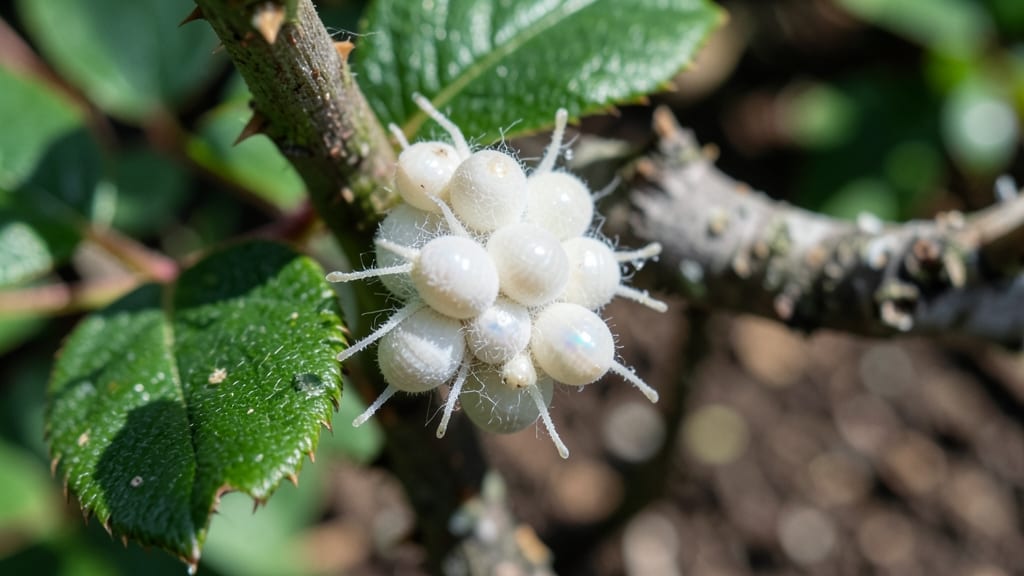
Seeing rose plant white bugs on your roses means war—but not the chemical kind. 🌿 These tiny invaders (aphids, whiteflies, or mealybugs) suck sap and leave sticky residue, but I’ve rescued dozens of roses using just 4 simple steps that work faster than you’d think. The first sign?
Curled leaves or a shiny film on stems. These pests thrive when roses are stressed—too much nitrogen, drought, or overcrowding. My roses used to look like they’d been sprayed with syrup until I fixed the soil and water balance.
With neem oil or insecticidal soap, you’ll see results in 3-5 days. I’ve even used a strong spray of water to knock them off—works surprisingly well for small infestations. The key is consistency; one treatment won’t cut it.
Prevention is easier than fighting them: introduce ladybugs, keep plants healthy, and prune regularly. Your roses will bounce back stronger than before—promise.
Root Causes Of Tiny White Invaders
When your rose plant becomes a buffet for tiny white bugs, it’s rarely just bad luck—there’s usually a reason these pests show up. Understanding why they target your roses is the first step to kicking them out for good.
Below, we break down the most common triggers, from environmental stressors to plant weaknesses, so you can address the real problem.
White bugs like aphids, mealybugs, and whiteflies thrive on roses that are already struggling. When your plant is stressed—whether from poor soil, overwatering, or lack of nutrients—its defenses weaken, making it an easy target.
- Poor drainage: Roses sitting in soggy soil invite fungal issues and root rot, which stress the plant and attract pests.
- Nutrient deficiencies: Yellowing leaves or stunted growth signal a lack of nitrogen, phosphorus, or potassium, weakening the plant’s natural pest resistance.
- Overpruning or damage: If you’ve recently trimmed too aggressively or the plant was physically damaged (e.g., by hail or animals), new growth becomes a magnet for sap-sucking bugs.
💡 Pro Tip: Before blaming bugs, check your rose’s health. Healthy plants with strong foliage and vibrant blooms are far less appealing to pests.
White bugs love warmth and humidity—ideal conditions for rapid reproduction. If your climate is consistently hot (above 75°F) with high moisture, you’re basically rolling out the welcome mat for an infestation.
- Greenhouse effect: Dense foliage or plastic covers trap heat, creating a cozy environment for pests to multiply.
- Rainy seasons: Excess moisture softens plant tissues, making them easier for bugs to penetrate and feed.
- Poor airflow: Crowded plants or those near walls/fences block airflow, increasing humidity around leaves—perfect breeding grounds.
✨ Key Insight: If you’ve noticed bugs flaring up in summer or after heavy rains, environmental control (like pruning for airflow or using shade cloth) can reduce their numbers before they explode.
Roses aren’t just targeted by bugs—they’re also part of a delicate ecosystem. When natural predators (like ladybugs, lacewings, or parasitic wasps) disappear, white bugs move in unchecked.
- Pesticide overuse: Harsh chemicals kill both pests and their predators, leaving your roses defenseless.
- Monoculture gardening: Planting only roses (no companion plants like marigolds or basil) removes food sources for beneficial insects.
- Seasonal die-offs: Cold winters or drought can reduce predator populations, giving pests a temporary advantage.
🎯 Action Step: Introduce beneficial insects or plant companion flowers to restore balance. Even a small patch of dill or yarrow can attract predators faster than you’d think!
Sometimes, the white bugs weren’t already on your roses—they hitched a ride. Infested soil, compost, or nursery-bought plants are common sources of introduction.
- Infested cuttings or divisions: If you propagated roses from an infected plant, the bugs may have traveled with the roots or stems.
- Contaminated potting mix: Reusing old soil or compost without sterilizing it can transfer eggs or larvae to healthy plants.
- Wildlife visitors: Bees, ants, or even birds can carry pests from nearby infected plants to yours.
🔥 Prevention Tip: Always quarantine new plants for at least 2 weeks before introducing them to your garden. Inspect soil and leaves thoroughly!
Now that you know why these white bugs are crashing your rose party, the next step is how to evict them—without harming your plants in the process. Stay tuned!
Quick Fixes for Tiny White Invaders
Got those pesky white bugs wreaking havoc on your rose plant? Don’t panic—here’s your battle plan, tailored to the culprit and easy to execute. Below, we break down the most common causes of white bugs on roses and the fastest, most effective fixes to reclaim your plant’s health.
Plus, we’ll share pro tips to keep those critters from crashing the party again!
---
Signs: Clusters of tiny white, green, or black bugs on new growth, sticky residue (honeydew), or curled leaves.
#### 🔥 Step-by-Step Rescue 1. 💦 Blast Them Off - Fill a spray bottle with soapy water (1 tsp mild dish soap + 1 quart water). Aim directly at the bugs and drench the undersides of leaves where they hide. Repeat every 3–4 days until gone.
2. 🐝 Introduce Predators (Nature’s Cleanup Crew) - Ladybugs, lacewings, and parasitic wasps love aphids. Buy them online or attract them with neem oil (spray lightly on leaves—it repels pests but won’t harm beneficial bugs).
3. 🍃 Prune & Dispose - Snip off heavily infested stems and drop them in a sealed bag (not the compost!). Burn or trash them to stop the spread.
#### 💡 Prevention Tips - 🌿 Plant companions: Marigolds and garlic deter aphids with their strong scents. - 🌡️ Stay dry: Water roses at the base (not leaves) to discourage aphid colonies. - ✨ Weekly check: Inspect new growth every 7 days—early action = less damage!
---
Signs: White, fluffy cotton-like patches on stems, leaves, or buds. Sticky residue and black sooty mold may appear.
#### 🍳 Step-by-Step Rescue 1. 🧼 Scrub the Infestation - Dip a cotton swab in rubbing alcohol (70% isopropyl) and dab each mealybug colony. They’ll dissolve in seconds!
2. 🌿 Systemic Treatment - For severe cases, use neem oil or insecticidal soap (follow label instructions). Spray every 5–7 days for 2–3 weeks.
3. 🔪 Isolate & Clean - Move the rose to a quarantine spot (like a garage) while treating. Wipe down nearby plants with soapy water to prevent cross-contamination.
#### 💡 Prevention Tips - 🌡️ Monitor humidity: Mealybugs thrive in dry, warm conditions—keep your roses lightly misted (but not soggy). - 🎯 Avoid over-fertilizing: Too much nitrogen = softer plants = easier mealybug snacks. - 🌿 Prune regularly: Remove dead leaves where mealybugs hide.
---
Signs: Tiny white moth-like bugs that flutter when you disturb the plant. Yellowing leaves and sticky residue underneath.
#### 👨🍳 Step-by-Step Rescue 1. 🕯️ Yellow Sticky Traps - Hang yellow sticky cards near the rose—whiteflies are attracted to the color and get trapped. Check traps daily and replace as needed.
2. 💨 Knock ‘Em Out - Spray the undersides of leaves with water to knock them off, then follow up with insecticidal soap or neem oil.
3. 🌪️ Fan Them Away - Use a shop vacuum (with a fine nozzle) to suck up adults. Do this early in the morning when they’re sluggish.
#### 💡 Prevention Tips - 🌿 Rotate plants: Keep roses away from windows or doors where whiteflies can fly in. - 🌡️ Reduce heat: Whiteflies love warmth—provide light shade in peak summer. - 🌱 Healthy soil = strong defense: Amend soil with compost to boost plant resilience.
---
Signs: Small white, brown, or gray bumps on stems/leaves. Leaves may yellow or drop prematurely.
#### 🔪 Step-by-Step Rescue 1. 🧼 Scrape Them Off - Use a soft brush or toothbrush dipped in rubbing alcohol to scrub off scale. They’re tough but vulnerable when wet!
2. 🌿 Horticultural Oil - Apply dormant oil (like Neem Oil) in early spring or fall when temps are below 85°F. Reapply every 7–10 days.
3. 🌱 Replace Severely Infested Parts - If a branch is covered in scale, cut it off and dispose of it far from your garden.
#### 💡 Prevention Tips - 🌿 Inspect new plants: Quarantine purchases for 2 weeks before adding them to your garden. - 🌡️ Avoid stress: Overwatering or drought weakens roses—consistent moisture keeps them strong. - 🎯 Early action: Check roses weekly during growing season—scale spreads slowly but is hard to remove once established.
--- - 🌿 Companion planting: Mix in basil, mint, or lavender—their scents repel most white bugs. - 🌡️ Clean tools: Sterilize pruners with rubbing alcohol between cuts to avoid spreading pests. - 🌱 Healthy soil = happy plants: Feed roses with balanced fertilizer (like 10-10-10) to boost natural defenses.
--- Remember: Patience is key! Some treatments take 2–3 weeks to fully work. If bugs persist after 4 weeks, consider consulting a local nursery for targeted solutions. Your roses will thank you with lush, bug-free blooms in no time! 🌹✨
Frequently asked questions about white bugs on roses
Are those white bugs on my roses harmful?
Yes, they’re serious pests! Tiny white bugs like aphids, mealybugs, or whiteflies suck plant sap, causing curled leaves, sticky residue (honeydew), and weakened growth. Left untreated, they can kill your roses by spreading diseases like sooty mold.
How do I tell if it’s aphids vs. mealybugs vs. whiteflies?
Check their size and behavior: Aphids are tiny (1/16 inch), clustered on new growth; mealybugs look like white cottony patches; whiteflies flutter when disturbed. Mealybugs leave sticky residue, while whiteflies cause yellowing leaves.
Will neem oil kill white bugs?
Yes, but it needs consistency! Neem oil disrupts their life cycle but works best when applied every 5–7 days for 2–3 weeks. Mix 1 tbsp with 1 quart water + a drop of dish soap as a spreader. Avoid spraying in direct sunlight.
Can I use vinegar to get rid of white bugs?
Not recommended—vinegar burns plant leaves. Instead, use a soapy water spray (1 tsp mild soap per quart of water) or insecticidal soap. For stubborn cases, neem oil or horticultural oil is safer and more effective.
Why do white bugs keep coming back?
They’re persistent because they reproduce quickly! Check for hidden eggs (especially on leaf undersides), treat the entire plant (not just visible bugs), and fix underlying issues like poor drainage or over-fertilization that attract them.