
Planting
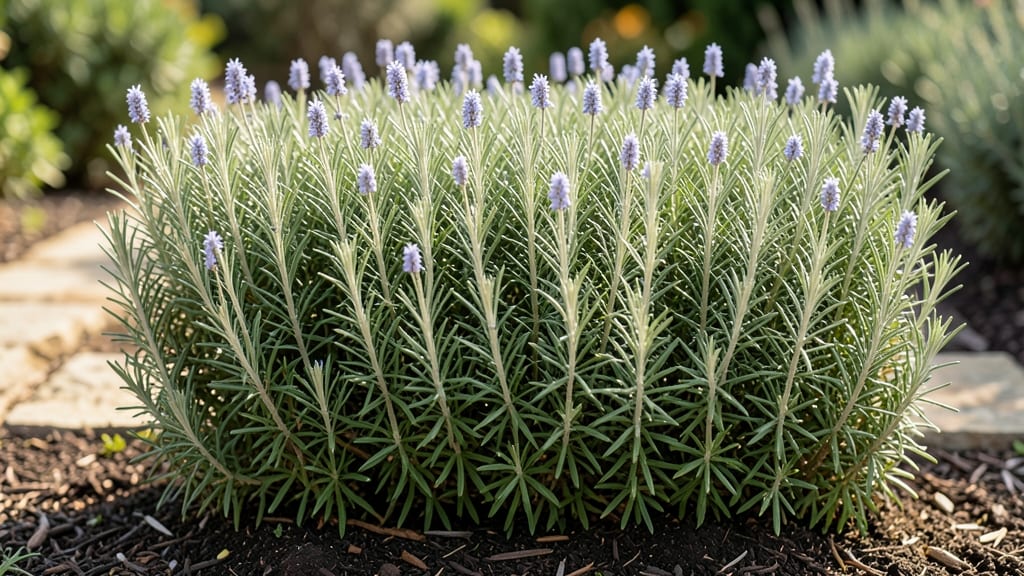
A rosemary hedge in Zone 7 transforms your yard into a fragrant, evergreen privacy screen that thrives year-round. 🌿 I've planted mine along the north side of my patio, and within three months, it went from sparse to lush—no fuss, just aromatic greenery that keeps neighbors' views at bay.
The key is choosing the right variety and giving it the right start, because rosemary isn't just tough—it's smart about where it grows.
The secret lies in three things: well-draining soil (rosemary hates soggy feet), full sun (at least six hours daily), and spacing plants 18-24 inches apart to prevent overcrowding.
Zone 7's mild winters mean you won't need heavy mulch, but a 2-inch layer of pine straw in late fall keeps roots cozy without smothering. I swear by 'Arp' or 'Hill Hardy' varieties—they handle our occasional dips below freezing like champs.
By summer, you'll have a 4-5 foot tall hedge that smells like a Mediterranean vacation whenever you brush against it. Prune lightly after flowering to encourage bushiness, and watch as pollinators flock to the tiny blue flowers.
The best part? This hedge stays green all winter, giving you year-round privacy that most plants can't match.
Works beautifully alongside lavender, thyme, or ornamental grasses for a cohesive look. Just avoid planting near water-hungry shrubs—rosemary throws a fit when its roots get wet. Ready to grow your own fragrant fortress?
📚 In This Guide
- What you need
- Instructions
- Tips and common mistakes
- Wrapping up and next steps
What you need
- ● Rosemary plants: 12–15 Upright rosemary (Rosmarinus officinalis 'Tuscan Blue' or 'Arp') plants (spaced 18–24" apart for a 3–4 ft hedge).
- ● Well-draining soil: Mix 50% native soil + 50% coarse sand or gravel (or use cactus/succulent mix for faster drainage).
- ● Compost: 2–3 gallons per plant (for nutrients and structure).
- ● Organic mulch: 1–2 inches of gravel or pine bark (to retain moisture and deter weeds).
- ● Drip irrigation or soaker hose: 1/4" tubing with emitters (or a 5-gallon watering can for small hedges).
- ● Pruning shears: Bypass pruners (sharp, 6–8" blades for clean cuts).
- ● Garden gloves: Heavy-duty, cut-resistant (rosemary has spiky stems!).
- ● Measuring tape: For marking plant spacing (critical for uniformity!).
- ● Shovel or spade: 12–14" wide for digging holes (12" deep).
- ● Level or string line: To ensure your hedge row is perfectly straight.
- ○ Fertilizer (optional but helpful): Balanced 10-10-10 or low-nitrogen slow-release (apply sparingly—rosemary hates excess nitrogen!).
- ○ Stakes & twine (optional): For young plants in windy areas (4–6 ft bamboo stakes).
- ● Sunlight access: Full sun (6+ hours/day)—no compromises!
Step-by-step guide to planting a rosemary hedge in Zone 7
This hardy, fragrant hedge thrives in Zone 7 when planted correctly—here's how to establish a lush, evergreen screen in just three months.
🪴 Step 1: Select and Prepare Planting Sites
Choose a location with full sun exposure (6+ hours daily) and well-draining soil—rosemary hates soggy roots. Space plants 3-4 feet apart in rows 3-4 feet apart for a dense hedge. I dig a hole twice as wide as the root ball but no deeper, loosening the sides to encourage root spread.
Amend heavy clay soil with 1 part coarse sand per 2 parts native soil to improve drainage. Rosemary tolerates poor soil but grows best in slightly alkaline conditions (pH 6.0-7.0). Test your soil—if it's acidic, add crushed limestone at planting time. This prevents nutrient lockout and root rot.
🌱 Step 2: Plant and Initial Watering
Remove each plant from its container and gently tease the roots apart if they're circling. Place the root ball in the hole so the top sits 1 inch above ground level—this prevents crown rot. Backfill with native soil, pressing lightly to eliminate air pockets without compacting.
Water deeply immediately after planting to settle the soil and eliminate air gaps. Use 1 gallon of water per plant and let it soak in completely. Mulch with 2 inches of gravel or coarse bark (never organic mulch) to retain moisture and deter weeds. This keeps roots cool in summer while allowing airflow.
☀️ Step 3: Prune for Shape and Encourage Bushiness
Wait 4-6 weeks before first pruning to let plants establish roots. Once new growth appears, cut back 1/3 of the current year's growth using clean, sharp shears. I make cuts just above a leaf node at a 45-degree angle to encourage lateral branching.
Shape the hedge by trimming the top and sides evenly. Avoid shearing too aggressively—rosemary recovers poorly from heavy cuts. Prune again in late spring to maintain shape and remove leggy growth. This two-step approach builds density without stressing the plants.
💧 Step 4: Watering and Maintenance Through Establishment
Water deeply 2-3 times per week for the first month, then taper to once weekly once roots establish. Check soil moisture by sticking your finger 2 inches deep—water when it feels dry. Overwatering causes root rot, which is fatal for rosemary.
Fertilize lightly in early spring with ½ cup of 10-10-10 fertilizer per 10 feet of hedge. Rosemary doesn't need much—too much nitrogen produces weak, leggy growth. After 3 months, your hedge should reach 3-4 feet tall with dense foliage, ready for full privacy.
✂️ Step 5: Long-Term Care for Year-Round Privacy
Prune lightly in late winter to shape the hedge and remove dead growth. Avoid heavy cuts—rosemary grows slowly. In Zone 7 winters, mulch with 3 inches of gravel to protect roots from freeze-thaw cycles. This evergreen stays green year-round with proper care.
Watch for spider mites or aphids—spray with neem oil if you see webbing or sticky residue. Healthy rosemary rarely gets pests, but stress from poor drainage or overwatering invites problems. Your hedge will thrive for years with minimal intervention, providing fragrant privacy and low-maintenance beauty.
Tips & tricks for perfect rosemary hedges in Zone 7
Creating a lush, fragrant rosemary hedge in Zone 7 doesn't have to be guesswork—these pro tips will help you avoid common pitfalls and maximize your hedge's potential.
Soil Preparation Secret: Before planting, I always test my soil's pH—rosemary thrives in slightly alkaline conditions (pH 6.0-7.0). If your soil tests acidic, mix in 1 pound of crushed limestone per 100 square feet during planting. This adjustment prevents nutrient lockout and gives your plants the best start. For heavy clay soil, I go the extra mile by amending with 3 parts native soil to 1 part coarse sand—this creates the perfect drainage without overwhelming the plants.
Planting Depth Matters: The instructions specify placing the root ball with the top 1 inch above ground level, and this is critical. I've seen many gardeners plant too deep, which leads to crown rot—a silent killer for rosemary. After backfilling, press the soil gently but firmly to eliminate air pockets while avoiding compaction. A good test is to gently tug on the plant after watering—it should feel secure but not rock-hard in the soil.
Pruning Precision: When you're ready for that first pruning at 4-6 weeks, focus on removing one-third of the current year's growth rather than just trimming the top. I use clean, sharp shears and make cuts just above a leaf node at a 45-degree angle—this encourages bushier growth. Pro tip: Always prune after new growth appears, never before. The plant needs established roots to handle the stress of pruning, and cutting too early can shock the system.
Watering Wisdom: The 2-3 times weekly watering schedule in the first month is non-negotiable, but how you water matters just as much. I use a soaker hose or drip irrigation to deliver water directly to the root zone, avoiding the foliage. This prevents fungal diseases and ensures water penetrates deeply. After the initial month, check soil moisture by sticking your finger 2 inches deep—if it feels dry, that's your cue to water. Overwatering is the #1 killer of rosemary hedges, so resist the urge to keep the soil constantly moist.
Pro Tips for Rosemary Hedge Zone 7
- Creating a lush, fragrant rosemary hedge in Zone 7 doesn't have to be guesswork—these pro tips will help you avoid common pitfalls and maximize your hedge's potential.
- Soil Preparation Secret: Before planting, I always test my soil's pH—rosemary thrives in slightly alkaline conditions (pH 6.0-7.0).
- Planting Depth Matters: The instructions specify placing the root ball with the top 1 inch above ground level, and this is critical.
Frequently asked questions
Got questions about growing a rosemary hedge in Zone 7?
Here are answers to the most common ones—so you can get your fragrant, evergreen privacy screen off to the right start!
How fast does rosemary grow in Zone 7?
Rosemary typically grows 12–18 inches per year in ideal conditions (full sun, well-draining soil). With proper pruning and care, you can achieve a 3-foot-tall hedge in about 1–2 years. For faster results, plant cuttings every 6–12 inches to fill gaps quickly!
When is the best time to plant rosemary in Zone 7?
Plant rosemary in early spring (March–April) or fall (September–October) to avoid extreme heat or frost. Avoid planting during summer’s peak heat—rosemary hates soggy roots and struggles when temperatures exceed 90°F for prolonged periods.
Can I use rosemary as a formal hedge, or does it grow wild?
Yes! With regular pruning (every 4–6 weeks), rosemary stays neat and compact. Use sharp shears to trim just above a leaf node (where new growth emerges). For a tight, formal look, prune lightly in spring and more aggressively in summer after flowering.
Why is my rosemary hedge turning brown or leggy?
Brown tips usually mean overwatering or poor drainage—rosemary hates wet feet! Leggy growth? It’s craving more sunlight. Fix it by:
- Ensuring soil drains quickly (mix in sand or gravel if needed).
- Watering only when the top inch of soil is dry.
- Moving to a sunnier spot (6+ hours of direct sun daily).
What’s a good alternative if rosemary struggles in my Zone 7 yard?
If rosemary’s too finicky, try these drought-tolerant, evergreen hedges for Zone 7:
- Lavender – Fragrant, low-maintenance, and thrives in poor soil.
- Dwarf Boxwood – Dense, formal, and handles pruning well.
- Olive Trees – Slow-growing but hardy and elegant.
- Russian Sage – Silvery foliage and purple blooms (great for pollinators!).
Wrapping up and next steps
Growing a lush, fragrant rosemary hedge in Zone 7 is totally doable—even in just three months! With the right soil prep, spacing, and consistent care, you’ll have a vibrant, evergreen privacy screen that thrives year-round.
Don’t let slow starts discourage you; pruning and patience will reward you with a stunning, low-maintenance hedge.
Ready to transform your space? Start by gathering your materials and mark your planting spots today! Once your rosemary is in the ground, keep an eye on watering and pruning—your future hedge will thank you. 🌿✨