
Planting
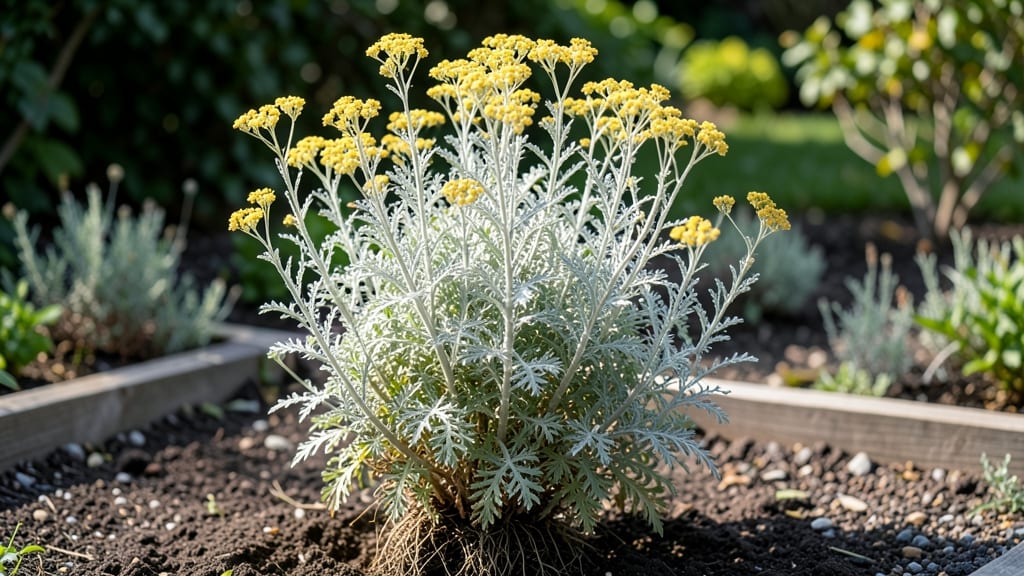
The silver wormwood plant thrives where most herbs give up—that’s its secret weapon. 🌿 This silvery-blue shrub handles Zone 3 winters, drought, and poor soil like a champ, yet its delicate foliage makes it a standout in any garden.
I’ve grown it for five years, and it’s never needed extra care—just sunlight and space to spread. The key is well-draining soil and full sun (6+ hours daily), though it tolerates partial shade. Water sparingly—once established, it’s drought-proof.
Prune back in early spring to encourage bushier growth, and watch it bounce back after heavy frosts. You’ll love how it repels pests naturally while adding texture to borders or containers. The leaves even have mild medicinal properties, though they’re not as potent as true wormwood.
Perfect for pollinator gardens, rockeries, or as a low-maintenance ground cover. Propagation is easy: take softwood cuttings in spring or sow seeds outdoors. Just don’t overwater—this plant’s resilience comes from thriving on neglect. Ready to add a no-fuss, cold-hardy beauty to your garden?
📚 In This Guide
- What you need
- Instructions
- Tips and common mistakes
- Wrapping up and next steps
What you need
- ● Silver wormwood seeds or nursery-grown plants: Seeds: 1 packet (50-100 seeds) for direct sowing
- ● OR 2-3 healthy nursery plants (6-12 inches tall)
- ● Well-draining soil: Mix equal parts garden soil, sand, and compost (1 part each). For containers, use a cactus/succulent blend.
- ● Sunlight access: Full sun (6+ hours daily) in Zones 3-9.
- ● Watering can or hose: With a gentle spray nozzle for seedlings.
- ● Organic mulch: 1-2 inches of straw or shredded bark to retain moisture.
- ● Garden trowel or small shovel (for transplanting)
- ● Gloves (to protect from prickly stems)
- ● Pruning shears (for shaping or harvesting)
- ● Container pots (5-7 inches deep) if growing in pots
- ○ Slow-release fertilizer (balanced 10-10-10, optional for faster growth)
- ● Drought-resistant companion plants (e.g., lavender, sedum) for pollinator-friendly pairings
Instructions for planting and cultivating silver wormwood
Here's how to establish this hardy perennial with minimal fuss—it thrives once you get these basics right.
🌱 Step 1: Select and Prepare the Planting Site
Silver wormwood (Artemisia ludoviciana) loves full sun and well-draining soil. Choose a spot with at least 6 hours of direct sunlight daily—it won’t tolerate shade. Test your soil’s drainage by digging a hole, filling it with water, and checking if it drains within 30 minutes. If not, amend with 2-3 inches of coarse sand or gravel to improve drainage.
This herb tolerates poor soil but grows best in slightly alkaline conditions (pH 6.5-7.5). A simple soil test kit will confirm your soil’s pH. If your soil is acidic, add dolomitic lime according to package instructions 2-3 months before planting. Avoid heavy clay—roots rot quickly in waterlogged conditions.
🪴 Step 2: Plant Silver Wormwood Correctly
Dig a hole twice as wide as the root ball but no deeper. Gently remove the plant from its container and loosen any circling roots with your fingers. Place it in the hole so the top of the root ball sits 1 inch below soil level—this prevents crown rot. Fill the hole with native soil, tamping lightly to eliminate air pockets.
Space plants 18-24 inches apart for mature size. If planting multiple, arrange them in clusters rather than rows—they’ll spread naturally. Water deeply right after planting to settle the soil and encourage root contact. You’ll know it’s right when water drains freely without pooling.
☀️ Step 3: Water and Fertilize for Establishment
Water newly planted silver wormwood once a week for the first 4-6 weeks, providing 1 inch of water per week. Let the top 2 inches of soil dry out between waterings—overwatering is the fastest way to kill this drought-tolerant plant. After establishment, water only during prolonged dry spells.
Skip fertilizer unless your soil test shows deficiencies. A light application of 5-10-10 fertilizer in early spring promotes growth, but too much nitrogen produces weak, floppy stems. I avoid fertilizing after mid-July—it encourages tender new growth that won’t survive winter.
✂️ Step 4: Prune for Shape and Health
Prune silver wormwood in late spring or early summer to maintain shape and encourage bushiness. Cut back leggy stems by one-third to stimulate branching. Use clean, sharp pruners to make cuts just above a leaf node—this prevents disease and promotes faster regrowth.
Remove any dead or diseased stems immediately. In fall, cut back all growth by half to prepare for winter. The plant’s silvery foliage stays attractive even when dormant, but a tidy prune prevents flopping. Never prune into old wood—new growth emerges from the basal stems.
⏰ Step 5: Overwintering and Long-Term Care
Silver wormwood is cold-hardy to -30°F, but young plants benefit from 3-4 inches of mulch in their first winter. Apply mulch after the ground freezes to prevent heaving. In spring, remove mulch before new growth appears—trapped moisture can rot stems.
This perennial spreads slowly via underground runners. Divide clumps every 3-4 years in early spring to maintain vigor. Simply dig up the plant, separate the root sections with a sharp knife, and replant immediately. The divided sections establish just as easily as new plants.
Tips & tricks for perfect silver wormwood planting
These plant care secrets will help you establish thriving silver wormwood with minimal effort—once you understand its natural preferences.
Sunlight Strategy: The 6 hours of direct sunlight requirement isn't just a minimum—this hardy herb actually thrives with 8+ hours daily. I've found that morning sun combined with afternoon shade works best in hotter climates (Zones 7-9), while full sun exposure is ideal in cooler zones (3-6). Watch for leaf scorch if your summer afternoons exceed 90°F—light afternoon shade can prevent this while still meeting the sun requirement.
Drainage is Everything: That 30-minute drainage test in Step 1 is non-negotiable. I've seen silver wormwood plants die within weeks from waterlogged roots, even when planted in "well-draining" soil that failed this test. For clay-heavy soils, consider raised beds with a 4-inch gravel layer at the bottom. The plant's roots will naturally grow deeper to find that perfect moisture balance.
Planting Depth Matters: Positioning the root ball just 1 inch below soil level in Step 2 prevents crown rot by ensuring proper airflow around the base. I've made the mistake of planting too deeply, which led to fungal issues. Use a level or small stake to verify depth—this subtle adjustment makes all the difference in long-term health.
Watering Wisdom: The 1-inch weekly watering guideline for the first 4-6 weeks might seem generous, but it's critical for root establishment. I recommend using a rain gauge or measuring cup to track this precisely—overwatering is the #1 killer of young plants. After establishment, let the soil dry completely between waterings; the silvery leaves will actually curl slightly when thirsty, giving you a natural indicator.
Pro Tips for Silver Wormwood Plant
- These plant care secrets will help you establish thriving silver wormwood with minimal effort—once you understand its natural preferences.
- Sunlight Strategy: The 6 hours of direct sunlight requirement isn't just a minimum—this hardy herb actually thrives with 8+ hours daily.
- Drainage is Everything: That 30-minute drainage test in Step 1 is non-negotiable.
Frequently asked questions
Got questions about growing silver wormwood? You’re not alone! Here are some of the most common queries—plus straightforward answers to help you cultivate this striking, cold-hardy herb with confidence.
Is silver wormwood invasive?
Silver wormwood (Artemisia ludoviciana) is not considered invasive in most regions, unlike some other Artemisia species. However, it can spread aggressively in ideal conditions (full sun, well-drained soil). To keep it in check, trim back seed heads before they mature or plant it in containers if space is limited.
Can I grow silver wormwood in winter?
One of its biggest perks is its cold hardiness—it thrives in USDA Zones 3-9 and often stays green year-round in milder winters. In colder climates, its silvery foliage adds winter interest, though it may turn brown in extreme frost. A light mulch can protect roots during harsh freezes.
What’s the best way to propagate silver wormwood?
The easiest methods are division or stem cuttings. For division, dig up clumps in early spring or fall and separate the roots. For cuttings, snip 4-6 inch stems in spring, remove lower leaves, dip in rooting hormone, and plant in moist soil. Keep cuttings lightly shaded until rooted (~4 weeks).
Is silver wormwood toxic to pets or humans?
While silver wormwood is generally safe for humans in culinary uses (like teas or garnishes), it contains thujone, which can be toxic in large amounts. Keep it away from pets—especially cats and dogs—as ingestion may cause vomiting or liver issues. When in doubt, consult a vet or herbalist.
Why is my silver wormwood turning yellow?
Yellowing leaves often signal overwatering or poor drainage. Silver wormwood prefers dry, rocky soil—water only when the top 2 inches are bone-dry. If yellowing persists, check for root rot (soggy soil) or nutrient deficiencies (add compost or a balanced fertilizer in early spring).
Pro Tip:
Use silver wormwood as a pollinator magnet! Its fragrant foliage attracts bees and butterflies, making it a fantastic addition to low-maintenance, drought-tolerant gardens. Pair it with lavender or Russian sage for a striking, aromatic border.
Wrapping up and next steps
The silver wormwood plant is a cold-hardy, low-maintenance herb that brings beauty and versatility to gardens in zones 3-9—whether you're growing it for its striking foliage, pest-repelling properties, or culinary uses.
With the right soil, sunlight, and care, this resilient plant can thrive with minimal effort, making it perfect for both beginners and seasoned gardeners.
Ready to add this silver wormwood to your garden? Start by selecting a sunny spot, prepping the soil, and planting your seeds or cuttings. Soon, you’ll be enjoying its silvery-blue charm and practical benefits—one season at a time! 🌿✨