
Planting
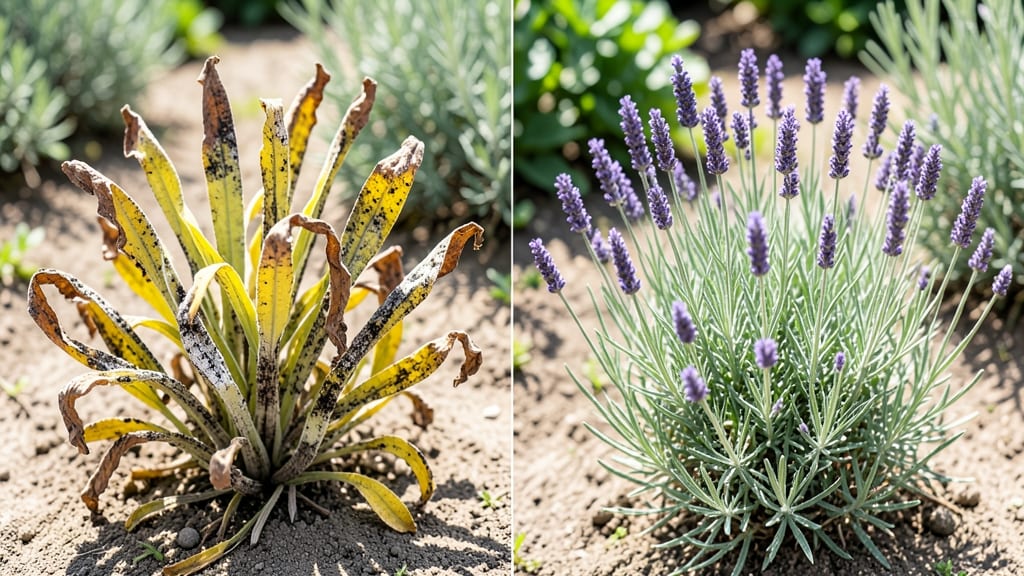
What's wrong with my lavender plant? Those yellowing leaves aren’t a death sentence—just a cry for help. 🌿 I've nursed back more than a few struggling lavenders, and the first step is always figuring out whether it's thirsty, drowning, or fighting off pests. The good news? Most issues fix fast with simple tweaks. Overwatering is the #1 culprit, turning those silvery leaves yellow and mushy. Lavender hates wet feet—it thrives in well-draining soil where roots stay dry between waterings. Check your pot's drainage holes and consider switching to a gritty mix if you're still seeing soggy soil. Once you've adjusted watering, inspect the undersides of leaves for tiny webs or speckles—signs of spider mites or fungal spots. A blast of water or neem oil spray clears up most infestations within days, and your plant will bounce back stronger than ever. The payoff? Fragrant, silvery foliage that stays vibrant all season. Let's get your lavender back to its purple glory—here's exactly how to diagnose and fix each problem step by step.
Root Causes Of Lavender Leaf Trouble
Lavender plants are hardy, drought-tolerant, and generally low-maintenance—but when their leaves start turning yellow, something’s off. Understanding the why behind the problem is the first step to reviving your plant. Below, we break down the most common culprits, backed by science and actionable insights.
Lavender is a Mediterranean native, meaning it thrives in dry, well-draining soil. When roots sit in soggy conditions, they suffocate, leading to anaerobic stress—a lack of oxygen that triggers yellowing (chlorosis) and root rot (Phytophthora or Pythium fungi).
Why it happens:
- Excess moisture disrupts nutrient uptake, causing leaves to yellow from the bottom up.
- Compacted or clay soil holds water against roots, mimicking a swampy environment.
- Overzealous watering (even with good intentions) can drown lavender, which prefers 60–70% soil moisture max.
💡 Pro Tip: Stick your finger 2 inches into the soil—if it’s damp, wait. Lavender’s roots should feel dry between waterings. If your soil drains poorly, amend it with perlite, coarse sand, or gravel (aim for 50% organic matter, 50% inorganic).
While lavender tolerates drought, severe dehydration causes leaves to yellow, crisp, or drop. But here’s the twist: heat stress (especially in high summer) accelerates water loss, making yellowing worse even if you’re watering enough.
Why it happens:
- Transpiration overload: Hot, dry air pulls moisture from leaves faster than roots can replace it, leading to oxidative stress (cell damage).
- Shallow root systems struggle to access deep water, so surface roots dry out quickly.
- Lack of mulch exposes roots to temperature swings, causing osmotic shock (cells lose water rapidly).
🌡️ Fix It:
- Water deeply but infrequently—aim for 1 inch per week in summer (more in containers).
- Use drip irrigation or soaker hoses to deliver water to roots, not leaves.
- Apply 2–3 inches of gravel mulch (not organic mulch!) to insulate roots and retain moisture.
Yellowing leaves can signal a mineral imbalance, particularly nitrogen, iron, or magnesium deficiencies. Lavender isn’t heavy-feeding, but poor soil or over-fertilizing can throw it off.
Why it happens:
Symptom
Likely Cause
Science Behind It
Yellowing between veins (chlorosis)
Iron (Fe) or magnesium (Mg) deficiency
These micronutrients are vital for chlorophyll production. High soil pH (>7.0) locks out iron, while over-fertilizing with nitrogen can displace magnesium.
Yellowing older leaves first
Nitrogen (N) deficiency
Nitrogen is mobile in plants—when lacking, the plant recycles it from old leaves to new growth, causing yellowing at the base.
Pale green/yellow new growth
Phosphorus (P) or potassium (K) deficiency
These nutrients support energy transfer and root health. Poor soil or leaching washes them away.
💡 Pro Tip: Test your soil’s pH (ideal: 6.0–7.5 for lavender). If it’s too alkaline, add sulfur or peat moss to lower pH. For deficiencies, use a balanced, slow-release fertilizer (10-10-10)—but never overdo it. Lavender prefers lean soil!
While lavender is pest-resistant, aphids, spider mites, or fungal infections (like root rot or powdery mildew) can cause yellowing by sapping nutrients or clogging stomata (leaf pores).
Why it happens:
- Aphids/spider mites: These pests pierce leaves, injecting toxins that disrupt chlorophyll and cause yellowing or stippling.
- Fungal infections: Phytophthora (root rot) or Erysiphe (powdery mildew) thrive in humid, stagnant conditions, blocking nutrient uptake.
- Bacterial leaf spot: Caused by Xanthomonas, this creates yellow halos around dark spots due to cell death.
🔥 Act Fast:
- Inspect leaves for tiny webs (mites), sticky residue (aphids), or white powder (mildew).
- Spray with neem oil (1 tsp/gallon water) or insecticidal soap for pests.
- Prune infected stems 1 inch below damage and sterilize shears with rubbing alcohol.
- Improve airflow by spacing plants 18–24 inches apart.
Lavender is sensitive to extreme conditions, including windburn, cold snaps, or sudden temperature shifts. These stressors trigger abscisic acid production—a plant hormone that accelerates leaf yellowing and drop.
Why it happens:
- Windburn: Fast-moving air dries out leaf edges, causing brown/yellow crisping.
- Frost damage: Temperatures below 20°F (-7°C) can kill cells, leading to chlorosis.
- Transplant shock: Moving lavender disrupts root mycorrhizal fungi (beneficial soil microbes), slowing nutrient absorption.
🛡️ Shield Your Plant:
- Plant lavender in sheltered spots or use windbreaks (like shrubs or fences).
- Mulch heavily in winter to insulate roots (use gravel or straw).
- After transplanting, water deeply for
Revive Your Lavender Now
Lavender is resilient, but when those vibrant green leaves start yellowing or wilting, it’s time to roll up your sleeves and take action. The good news? Most issues have simple fixes—no green thumb required!
Below, we’ll map out exact solutions for each problem, plus prevention tips to keep your lavender thriving for years. Let’s get your plant back to its fragrant, purple best!
Fix it:
- Stop watering immediately—lavender hates soggy roots. Let the soil dry out completely between waterings (usually every 1–2 weeks, depending on climate).
- Check the drainage: If your pot lacks holes or the soil feels compacted, repot your lavender into a container with gravel or sand mixed into the soil (or use a cactus/succulent mix).
- Trim the damage: Snip off any yellowed or mushy stems at the base with clean pruning shears to prevent rot from spreading.
Prevention tips:
- 🌡️ Water in the morning so excess moisture evaporates during the day.
- Use a terracotta pot—it breathes better than plastic and helps wick away moisture.
- Mulch lightly (if in ground) with gravel or pebbles to deter moisture buildup.
Fix it:
- Water deeply but infrequently: Lavender stores water in its woody stems, so soak the soil until water drains from the bottom, then wait until the top 1–2 inches are dry before watering again.
- Shade it temporarily: If your lavender is wilting in scorching afternoon sun, move it to partial shade (4–6 hours of sun/day) for a week to recover.
- Trim dead growth: Cut back any crispy, brown stems to encourage new, healthy growth.
Prevention tips:
- 🌿 Plant in full sun (6+ hours/day) but avoid midday heat in extreme climates (use shade cloth if needed).
- Group plants together to create a microclimate that retains moisture.
- Mist the leaves lightly on very hot days (but avoid wetting the soil).
Fix it:
- Prune infected areas: Remove all yellowed, spotted, or powdery leaves (don’t compost them—dispose in the trash).
- Apply fungicide: Spray with a neem oil solution (1 tsp neem oil + 1 quart water + a drop of dish soap) every 7–10 days for 3 weeks.
- Improve airflow: Space plants 12–18 inches apart and avoid overhead watering.
Prevention tips:
- 💡 Water at the base (never the leaves) to keep foliage dry.
- Space plants properly—crowding invites fungal spores.
- Rotate crops if growing lavender in garden beds to prevent soil-borne fungi.
Fix it:
- Test your soil: Lavender prefers alkaline soil (pH 6.5–7.5). If your soil is acidic, amend with lime (follow package instructions).
- Fertilize lightly: Use a low-nitrogen, phosphorus-rich fertilizer (like 5-10-10) once in early spring. No fertilizer in fall or winter—lavender is dormant!
- Add organic matter: Mix in compost or well-rotted manure (but avoid fresh manure—it burns roots).
Prevention tips:
- 🥗 Avoid rich garden soil—lavender thrives in poor, rocky soil.
- Use a slow-release fertilizer to prevent overfeeding.
- Mulch with gravel to deter weeds (which compete for nutrients).
Fix it:
- Blast them off: Spray plants with a strong stream of water to dislodge pests.
- Use insecticidal soap: Mix 1 tbsp mild castile soap + 1 quart water and spray every 3–4 days until pests vanish.
- Introduce beneficial insects: Ladybugs and lacewings love eating aphids—buy them online or attract them with neighboring pollinator-friendly plants.
Prevention tips:
- 🌿 Inspect new plants before bringing them home (quarantine for a week if possible).
- Encourage natural predators by planting marigolds, dill, or fennel nearby.
- Avoid broad-spectrum pesticides—they kill good bugs too!
Fix it:
- Trim dead growth: Cut back any blackened or mushy stems to the green wood.
- Protect from future frost: If your lavender is young or in a frost-prone zone, cover it with frost cloth on cold nights.
- Wait to prune: If the plant is still alive but dormant, hold off on heavy pruning until spring to avoid encouraging new growth too early.
Prevention tips:
- 🌡️ Plant in a sheltered spot (near a wall or fence) to break wind and trap heat.
- Choose cold-hardy varieties like English lavender (Lavandula angustifolia) for zones 5–9.
- Mulch with straw in winter to insulate roots.
Fix it:
- Wait before watering: Newly transplanted lavender needs time to adjust—hold off on watering for 3–5 days unless the soil is bone-dry.
- Shade it for a week: Move it to partial shade to reduce stress while roots establish.
- Avoid fertilizing: Wait 4–6 weeks before adding any nutrients.
Prevention tips:
- 🌿 Transplant in early spring or fall (avoid extreme heat or cold).
- Dig a hole twice as wide as the root ball to encourage root spread.
- Water deeply before transplanting to reduce shock.
Grab a magnifying glass and check:
- Undersides of leaves (pests love hiding there).
- Root health (gently dig up a small section to check for rot or pests).
- Soil moisture (stick your finger in—if it’s damp, wait to water).
Most lavender issues are fixable with patience and the right care—so don’t panic! With these steps, your plant will be back to smelling like a Provence summer in no time. 🌿✨
Frequently asked questions
Why are my lavender leaves turning yellow only on the bottom?
This is usually a sign of nitrogen deficiency or overwatering. Lavender recycles nutrients from older leaves first, so yellowing at the base means it's struggling to support new growth. Check if your soil stays damp too long—lavender roots need to dry out completely between waterings.
What do spider mites look like on lavender, and how do I get rid of them?
Spider mites appear as tiny red or yellow specks on leaf undersides, often with fine webbing. To remove them, spray your plant with a mix of 1 teaspoon neem oil + 1 quart water + a drop of dish soap every 5-7 days until they disappear. Keep your lavender in a humid environment (like a shower) for 10 minutes daily to deter them.
Can I save my lavender if it's completely brown and crispy?
Not always—but check the stems first. If the center is still green and firm, trim back all the dead growth and give it bright light and less water. If the stems are mushy or hollow, the plant is likely dead from root rot. For future prevention, always use pots with drainage holes and a 50/50 mix of potting soil and perlite.
How often should I water my lavender plant?
Water lavender only when the top 1-2 inches of soil are completely dry. In summer, this might be once every 1-2 weeks, while winter watering can stretch to every 3-4 weeks. The key is to mimic its Mediterranean habitat—dry spells between waterings. Overwatering is the #1 killer of lavender!
Why does my lavender keep getting powdery mildew?
Powdery mildew thrives in humid, stagnant conditions—especially when leaves stay wet. To prevent it, water at the base of the plant (never overhead), space plants 18-24 inches apart for airflow, and avoid planting lavender in shaded areas. If you see white powder, spray with neem oil solution and prune infected stems immediately.