
Planting
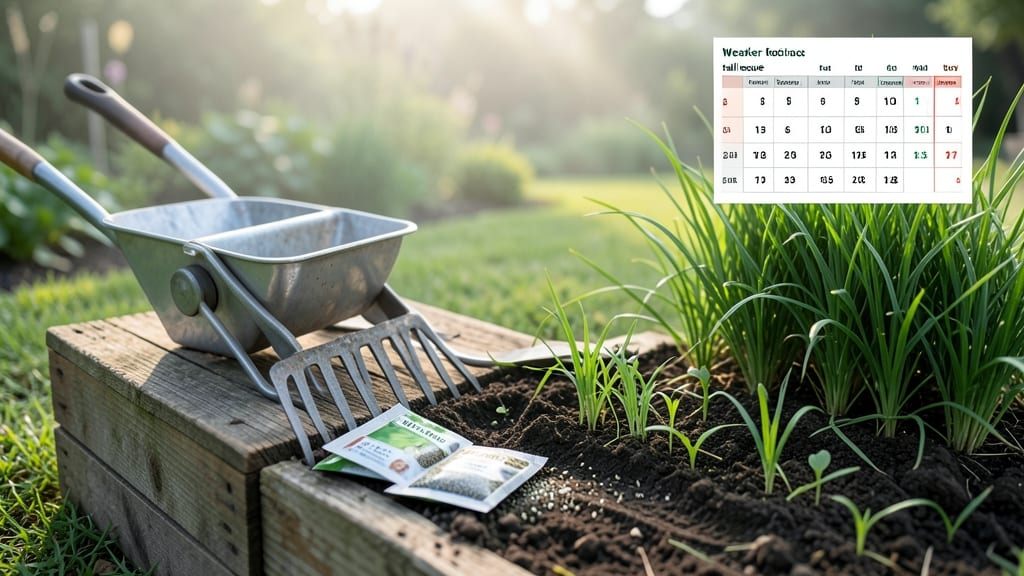
Planting grass seed in North Carolina at the right time means the difference between a lush lawn and weeks of patchy frustration 🌱 — and soil temperature is the real game-changer.
Timing your grass seed planting in North Carolina can mean the difference between a lush, green lawn and months of patchy, struggling growth—soil temperatures and frost dates are your secret weapons.
Most homeowners wait until spring, but the best windows actually start in early fall when temperatures are just right for cool-season grasses to take root before winter sets in.
Below, I break down the exact frost-free windows by region, soil temp ranges for germination, and the 5 critical factors that determine whether your new grass thrives or fades away.
Optimal soil temperature ranges for grass seed germination in North Carolina
North Carolina's diverse climate—from humid coastal plains to cooler mountain regions—means soil temperature is your most critical factor for successful grass seed germination. Planting too early or late can leave seeds dormant or vulnerable to frost, while perfect timing ensures rapid, uniform growth.
I’ve broken down the ideal soil temps for both cool-season and warm-season grasses, tailored to NC’s three distinct zones.
Cool-season grasses like tall fescue and Kentucky bluegrass thrive when soil temps hover between 50°F and 65°F. This range aligns with NC’s fall planting window (August–September) and early spring (March–April).
Warm-season varieties such as Bermuda and Zoysia demand warmer soils, ideally between 65°F and 75°F, making late spring to early summer (May–June) their prime time.
| Grass Type | Optimal Soil Temp (°F) | Best NC Planting Window | Regional Notes |
|---|---|---|---|
| Cool-Season (Tall Fescue, Kentucky Bluegrass) | 50°F–65°F | Fall (Aug–Sept) or Early Spring (Mar–Apr) | Coastal: 2–4 weeks earlier; Mountains: 2–4 weeks later |
| Warm-Season (Bermuda, Zoysia, Centipede) | 65°F–75°F | Late Spring (May–June) | Piedmont: Peak heat by June; Coastal: Humidity slows germination |
| Transition Zone (Ryegrass) | 45°F–60°F | Early Fall (Sept) or Late Winter (Feb) | Mountains: Plant after frost risk passes; Piedmont: Avoid late fall |
Testing soil temperature is simpler than you think. Use a soil thermometer (available for under $10) to check temps at a 2-inch depth—where seeds germinate. In the Coastal Plain, soils warm faster due to humidity, so aim for 60°F+ for warm-season grasses by early May.
Meanwhile, the Blue Ridge Mountains lag behind, often needing to wait until mid-June for consistent warmth.
Pro tip: Monitor temps for 3–5 days before planting. Early mornings (6–8 AM) are ideal for testing—soils are cooler then, giving you a buffer against afternoon heat spikes. If temps dip below 50°F at night, cool-season seeds may stall, while warm-season seeds risk heat stress above 80°F.
Regional microclimates add another layer. For example, Raleigh’s Piedmont zone typically hits 65°F by early April, perfect for cool-season grasses, while Wilmington’s coastal heat may require waiting until late April to avoid fungal issues. Always adjust your timeline by 1–2 weeks based on elevation and proximity to water bodies.
One common mistake? Planting based on air temperature instead of soil temp. A 70°F April day might feel warm, but if the soil is still 55°F, your seeds will languish.
Use a clear plastic wrap trick: Lay it over a small soil patch for 24 hours—if condensation forms, your soil is holding moisture and ready for planting.
For overseeding in fall, aim to plant 4–6 weeks before the first frost. In the Mountains, this might mean late August, while the Coastal Plain can stretch into early October.
Warm-season grasses, however, should never be planted after July 1st—their roots need time to establish before summer’s intensity.
Remember: Consistency is key. If your soil temp fluctuates daily (common in spring/fall), wait for a 3-day stable period before planting. Use a mulch layer (straw or peat moss) to insulate seeds and maintain even moisture—this is especially critical in NC’s unpredictable transition seasons.
Finally, pair soil temps with moisture levels. Seeds need consistent dampness to germinate, but soggy soil leads to rot. Water lightly daily (about ¼ inch) until sprouts appear, then taper to 1 inch per week
North Carolina frost-free windows by region: when to plant for maximum success
North Carolina's diverse climate—from the humid Coastal Plain to the cool Mountain regions—means your grass seed planting window can vary by 6+ weeks.
Understanding your last frost date and first frost date is key to choosing between cool-season grasses (like tall fescue) for fall and warm-season grasses (like Bermuda) for spring. Let’s break it down by region so you can plant with confidence.
The Coastal Plain (eastern NC) enjoys the longest growing season, while the Mountains (western NC) have shorter frost-free periods. Piedmont (central NC) falls somewhere in between.
For warm-season grasses, aim to plant 2-4 weeks after your last frost, while cool-season grasses thrive when planted 4-6 weeks before your first frost. Microclimates—like south-facing slopes or shaded valleys—can also shift your ideal window by 1-2 weeks.
| Region | Last Frost Date | First Frost Date | Best Time to Plant Warm-Season Grass | Best Time to Plant Cool-Season Grass |
|---|---|---|---|---|
| Coastal Plain (e.g., Wilmington, Fayetteville) | March 1-15 | November 15-30 | March 15-April 15 | August 15-September 30 |
| Piedmont (e.g., Raleigh, Charlotte) | March 15-30 | November 1-15 | April 1-May 1 | August 1-September 15 |
| Mountains (e.g., Asheville, Boone) | April 1-15 | October 15-November 1 | May 1-June 1 | July 15-August 15 |
For warm-season grasses like Bermuda, Zoysia, or Centipede, the soil temperature should be consistently above 65°F (18°C) before planting.
In the Coastal Plain, this typically aligns with mid-March to mid-April, while in the Mountains, wait until May. Cool-season grasses, including Tall Fescue, Kentucky Bluegrass, and Ryegrass, germinate best when soil temps are between 50-65°F (10-18°C), making late summer/early fall the ideal window.
Microclimates can shift your planting window by 1-2 weeks. For example, a south-facing slope warms up faster in spring, while a north-facing yard may stay cooler longer.
If you’re unsure, use a soil thermometer to confirm temps before planting. Overwatering or planting too early can lead to fungal diseases or seed rot, so always check the forecast for stable, warm conditions.
Pro tip: If you miss the optimal window, don’t panic! Spring planting of cool-season grasses can still work if you use shade cloth to protect young seedlings from late spring frosts.
Conversely, fall planting of warm-season grasses in the Mountains might require row covers to extend the season. Adjust your approach based on your region’s frost history and microclimate quirks.
Timing your planting isn’t just about dates—it’s about giving your grass the best shot to establish deep roots and thrive. With these region-specific windows, you’ll avoid the common pitfalls of patchy growth or wasted seed.
Grab your soil thermometer, check your local USDA Zone, and get planting at the perfect moment for your NC yard! 🌱