
Planting
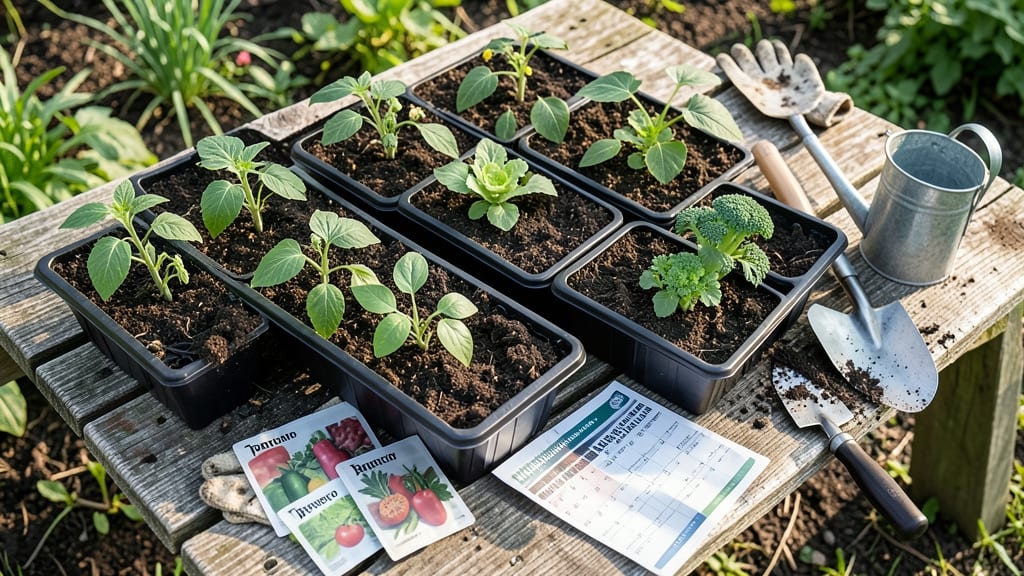
Planting your Maryland garden at the right time means the difference between a bountiful harvest and a wasted season — and the best windows are narrower than you think.
Maryland’s unpredictable spring weather can turn your gardening dreams into a guessing game unless you know the exact frost-free dates and best planting windows for your zone.
From cool-season crops like spinach that thrive in March to warm-season tomatoes needing to wait until May, the timing matters more than most gardeners realize.
Here’s your zone-by-zone guide to planting in Maryland, including frost dates, crop schedules, and how to adjust for late frosts or heatwaves.
Maryland’s frost-free dates by Zone: when to plant cool-season vs warm-season crops
Maryland’s gardening season hinges on understanding your USDA zone and frost-free dates. With zones ranging from 5b in the mountains to 7a near the coast, timing your plantings correctly ensures healthy growth and bountiful harvests.
The average last frost date shifts from mid-April in Zone 5b to early April in Zone 7a, while the first frost arrives as early as mid-October in northern regions. These variations mean your planting schedule should adapt based on where you live in the state.
Cool-season crops like lettuce, spinach, and peas thrive in Maryland’s spring and fall, while tomatoes, peppers, and cucumbers need the warmth of summer. Knowing these planting windows helps you avoid frost damage and maximize your garden’s potential.
For example, Baltimore’s Zone 7a allows for earlier plantings than Western Maryland’s Zone 6a, where late frosts are more common.
Use this table to pinpoint your frost-free dates and ideal planting times for both cool-season and warm-season crops in Maryland:
For Zone 5b gardeners in Western Maryland, wait until June 1 to plant warm-season crops like tomatoes and peppers, as late frosts are more likely.
In Zone 7a, you can start warm-season crops as early as April 15, but always check soil temperatures—60°F+ is ideal for seed germination. Coastal areas benefit from milder winters, allowing for longer growing seasons and earlier fall plantings of cool-season crops.
Regional microclimates play a huge role in Maryland’s gardening success. For instance, Baltimore’s urban heat island effect can push last frost dates 3-5 days earlier than rural areas. Meanwhile, mountainous regions like Garrett County may experience 1-2 weeks later frosts.
Use row covers or cold frames to extend your growing season in cooler zones, while shade cloth can protect tender plants from heatwaves in urban areas.
Cool-season crops should be sown 4-6 weeks before your average last frost date. For example, in Zone 6a, start spinach and lettuce by mid-March, while broccoli and cabbage can wait until late March.
Warm-season crops like tomatoes and peppers need soil temperatures above 60°F, so hold off until after May 15 in most of Maryland. Use a soil thermometer to confirm readiness—this simple tool can save your plants from frost damage or stunted growth.
Fall planting is just
Best crops to plant in Maryland by month: a month-by-month gardening calendar
Maryland’s gardening season is a beautiful dance between cool-season crops and warm-season favorites, but timing is everything. With USDA zones 5b-7a across the state, your planting schedule should align with frost-free dates—typically mid-April in the north and early April in the south.
Here’s your month-by-month guide to maximize harvests and avoid common pitfalls.
One of my biggest lessons? Succession planting is key in Maryland’s short growing season. By staggering plantings every 2-3 weeks, you can enjoy continuous harvests of lettuce, beans, or carrots instead of a single bumper crop.
For example, sow a new batch of radishes every week from March through September—they mature in just 25-30 days!
🌱 Maryland Planting Calendar by Month
- 1 March: Start cool-season crops indoors or direct-sow hardy greens like spinach, kale, and lettuce. Peas and radishes can go straight into the garden once soil reaches 40°F. Use row covers for extra frost protection.
- 2 April: Plant potatoes and onions as soon as soil is workable. Broccoli, cauliflower, and carrots thrive in cool weather. Avoid warm-season crops until after the last frost—typically mid-April in Zone 7a and late April in Zone 5b.
- 3 May: Transplant warm-season crops like tomatoes, peppers, and cucumbers after May 15 in most zones (or June 1 in Zone 5b). Start beans and corn directly in the garden. Succession plant lettuce and radishes for fall harvests.
- 4 June: Focus on summer crops like squash, okra, and sweet potatoes. Direct-sow more beans and cucumbers for continuous harvests. Watch for pests—Maryland’s humidity is perfect for cucumber beetles and tomato hornworms.
- 5 July-August: Fall planting prep begins! Start cool-season crops indoors (e.g., cabbage, brussels sprouts) for August transplants. Succession plant bush beans and turnips every 2 weeks. Harvest warm-season crops aggressively to encourage more production.
- 6 September: Last chance for fall crops! Plant spinach, kale, and garlic for harvests before first frost (mid-October). Transplant broccoli and cauliflower by September 15. Cover crops like clover can be sown to protect soil over winter.
Pro tip: Soil temperature matters just as much as air temperature. Use a soil thermometer to confirm 60°F+ for warm-season crops like tomatoes—planting too early leads to blossom-end rot or stunted growth. I’ve lost count of the tomato seedlings I’ve had to replant because I ignored this rule!
Don’t forget about herbs and flowers, too!