
Planting
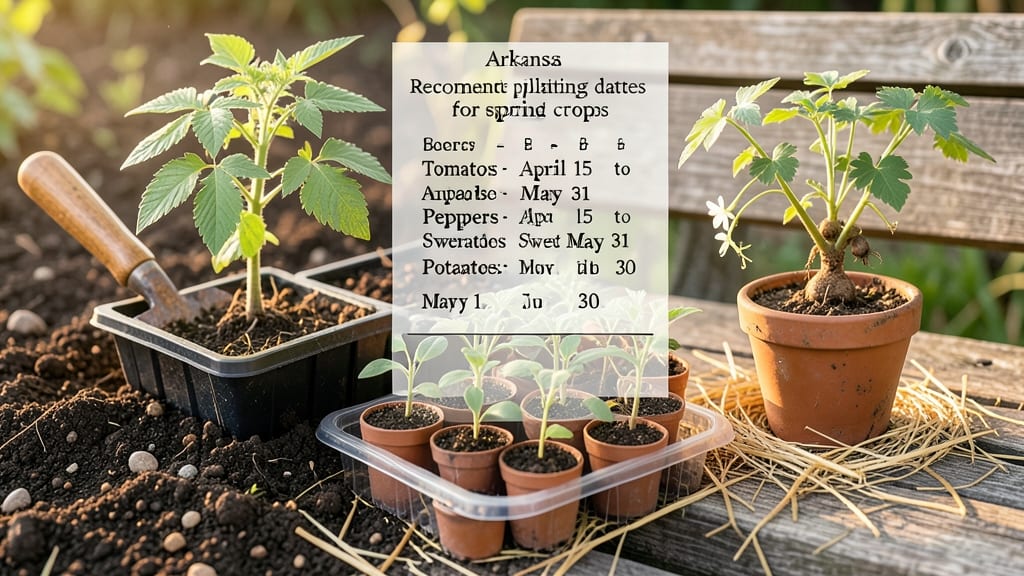
Planting a garden in Arkansas at the right time means catching that sweet spot between frost and scorching heat—late February through early April for spring and August to September for fall.
Arkansas gardeners know timing is everything—plant too early and risk frost damage, too late and miss peak harvests. But with the state’s diverse microclimates, figuring out the perfect planting window can feel like solving a puzzle.
From USDA zones 7a-8b to Arkansas’ 200-240 frost-free days, your location dictates everything from soil prep to crop selection. Whether you’re in Little Rock or the Ozark Mountains, getting the timing right means bigger harvests and fewer headaches.
Below, I break down the exact frost dates by zone, the best heat-tolerant crops for Arkansas summers, and how to stretch your growing season with simple tricks like row covers and succession planting.
Arkansas last frost dates by planting zone: a county-by-county guide
Arkansas spans USDA hardiness zones 6a through 8a, creating dramatic differences in frost timing from the Ozark Mountains to the Delta. Understanding these last frost dates is critical for scheduling cool-season crops like lettuce or warm-season staples like tomatoes.
The National Weather Service tracks historical averages, but microclimates—like urban heat islands or river valleys—can shift these dates by 1-2 weeks.
In northern Arkansas (zones 6a-7a), gardeners in Fayetteville typically see their last spring frost around April 15, while southern areas like El Dorado (zone 8a) may warm up by March 1.
Fall frost dates follow the opposite pattern, with northern regions experiencing frost as early as October 20 and southern zones holding off until November 20.
Here’s how to use this data: Cool-season crops (spinach, peas) should be planted 4-6 weeks before last frost, while warm-season crops (tomatoes, peppers) need to wait until 2 weeks after frost risk has passed.
For microclimate adjustments, add 7-10 days to frost dates if your garden sits in a low-lying area or subtract them for south-facing slopes.
🌱
| Zone/City | Avg Last Spring Frost | Avg First Fall Frost | Spring Planting Window | Fall Planting Window |
|---|---|---|---|---|
| Zone 6a (Bergville, Clarksville) | April 22 | October 18 | March 15 - April 15 | August 1 - September 1 |
| Zone 7a (Fayetteville, Eureka Springs) | April 15 | October 25 | March 1 - April 10 | August 15 - September 15 |
| Zone 7b (Little Rock, Hot Springs) | March 28 | November 5 | February 28 - April 5 | August 1 - September 20 |
| Zone 8a (Fort Smith, Texarkana) | March 15 | November 20 | February 15 - March 31 | August 15 - October 1 |
| Zone 8b (El Dorado, Hope) | February 28 | December 5 | January 15 - March 15 | August 1 - October 15 |
Note: Adjust dates ±7 days for microclimates (e.g., urban areas warm faster).
For Little Rock (zone 7b), my go-to rule is to wait until April 1 for warm-season crops like tomatoes and peppers, even if the air temperature feels warm. Soil temperature is the real indicator—use a soil thermometer to confirm it’s above 60°F for seeds or 65°F for transplants.
In Fayetteville (zone 7a), I’ve learned to plant cool-season crops like kale and broccoli by March 1, but always have row covers ready for late-March dips below 32°F.
The Ozark Mountains create localized cold pockets, so I monitor the National Weather Service’s Mountain Forecast for late-season frost advisories.
Southern Arkansas (zones 8a-8b) offers longer growing seasons. In El Dorado, I start warm-season crops as early as February 15 and often enjoy fall harvests until November.
However, humidity spikes in summer can stress plants, so I focus on drought-tolerant varieties like okra and sweet potatoes.
Pro tip: Use the 50/50 rule for frost prediction—when half the daylilies in your yard bloom, spring’s last frost is typically 2 weeks away. For fall, watch goldenrod flowers; they signal frost within 3-4 weeks. These natural indicators often align better with local microclimates than calendar dates.
🌡️
To future-proof your planting schedule, track your own frost dates for 3 years and adjust accordingly. For example, my zone 7a garden in Fayetteville experienced an unexpected late frost on April 20, 2022
Best heat-tolerant vegetables for Arkansas summers: what to plant after last frost
Once Arkansas’ last frost date passes (typically mid-March in southern zones and early April in northern areas), the real fun begins—summer gardening! With temperatures often hitting 90°F+, you’ll want heat-loving crops that thrive in humidity and don’t wilt under the sun.
These 10 top performers will reward you with bountiful harvests from June through September, even in the state’s most sweltering months.
My secret? Start with well-amended soil rich in organic matter and mulch heavily to retain moisture. Arkansas summers demand deep watering early in the day—think 1-2 inches per week—to prevent fungal diseases like powdery mildew.
Pair these crops with companion plants like marigolds or basil to deter pests naturally, and you’ll be feasting on homegrown goodness all season long.
- 1 Okra: Plant after last frost in full sun. Thrives in poor soil and 90°F+ heat. Harvest pods when 3-4 inches long for tender texture. Pro tip: Try 'Clemson Spineless' for fewer prickles.
- 2 Sweet Potatoes: Start slips in late May after soil warms to 70°F. Needs well-draining soil and plenty of space (vines spread 3-5 ft). Harvest before first frost for sweetest tubers. Variety: 'Beauregard' for early harvests.
- 3 Malabar Spinach: A heat-resistant green that loves humidity. Plant in partial shade after last frost. Harvest leaves regularly to encourage bushier growth. Bonus: Edible flowers add a peppery kick!
- 4 Black-Eyed Peas: Sow seeds directly in soil after last frost. Prefers 60-85°F temps. Harvest when pods are plump and dry. Variety: 'Purple Hull' for sweet, purple-skinned peas.
- 5 Peppers (Hot & Sweet): Transplant 4-6 weeks before last frost. Needs full sun and consistent water. Harvest when firm and glossy. Try 'Jalapeño' or 'Bell' varieties for Arkansas heat.
Don’t overlook eggplants like 'Black Beauty' or squash varieties such as 'Butternut'—both handle Arkansas’ heat with ease. For soil prep, mix in compost or aged manure before planting to improve drainage, and always mulch with straw to lock in moisture.
My watering hack? Use drip irrigation to keep foliage dry and reduce disease risks during those 95°F+ afternoons.
Companion planting is your best friend in summer gardens. Pair okra with corn to improve soil nitrogen, or plant basil near tomatoes to repel pests. For shade-loving crops like malabar spinach, interplant with taller varieties like sunflowers to create a microclimate.
Remember, succession planting works in summer too—sow black-eyed peas every 2 weeks for continuous harvests until frost.
With these heat-tolerant champions, you’ll turn Arkansas’ scorching summers into a productive garden paradise. Just keep an eye on pests like squash bugs and diseases from overhead watering, and you’re set for a harvest that’ll make your neighbors green with envy. Happy planting! 🌱☀️