
Planting
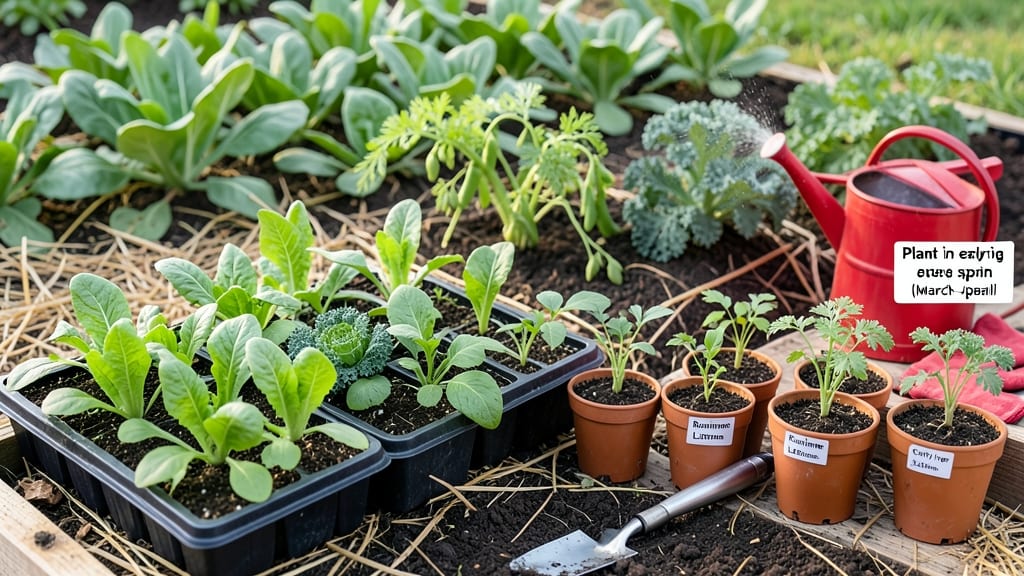
Planting a garden in Utah means timing it right to beat the late frosts and scorching summers—or risk losing your hard work before harvest.
Utah’s unpredictable climate—from late spring frosts to scorching summer heat—can make gardening a challenge if you plant at the wrong time. But timing your garden perfectly ensures bountiful harvests of tomatoes, peppers, and more, even in the Beehive State’s unique microclimates.
Whether you’re in the Wasatch Front or the desert regions, knowing when to plant is the key to success. Cool-season crops like lettuce and peas need to go in early, while heat-lovers like okra and sweet potatoes thrive after the last frost.
Below, I’ll break down Utah’s frost-free windows by region, share heat-resistant varieties, and show you how to stretch your growing season—so you can enjoy fresh veggies from June to October.
Utah’s frost-free dates by region: when to start planting cool-season crops
Utah’s diverse geography creates microclimates that dramatically affect frost-free dates. In Salt Lake City, the average last frost arrives around April 15, while St. George’s desert climate enjoys frost-free conditions by March 1.
These differences mean your cool-season crops like lettuce and peas need precise timing to thrive.
High-altitude areas like Park City (7,000+ ft) often face late frosts until May 10, delaying planting by 3-4 weeks compared to valley regions. Meanwhile, Ogden’s frost-free window opens around April 20, aligning closely with Salt Lake City but with slightly cooler nights.
For cool-season vegetables, start seeds indoors 6-8 weeks before your region’s last frost date. Direct-sow hardy crops like spinach and peas as soon as soil reaches 40°F, typically 2-3 weeks before the last frost in your area.
Here’s a quick reference for Utah’s frost-free windows and ideal planting times for cool-season crops:
| Region | Last Frost Date | First Frost Date | Cool-Season Planting Window | Example Crops |
|---|---|---|---|---|
| Salt Lake City | April 15 | October 15 | March 15 – April 15 (direct sow) | Lettuce, Spinach, Peas, Kale |
| St. George | March 1 | November 15 | February 1 – March 15 | Radishes, Arugula, Broccoli, Carrots |
| Park City | May 10 | September 20 | April 1 – May 1 (direct sow) | Peas, Fava Beans, Cabbage, Swiss Chard |
| Ogden | April 20 | October 10 | March 20 – April 20 | Lettuce, Spinach, Radishes, Onions |
In St. George, where winters are mild, you can plant cool-season crops as early as February for a spring harvest. However, avoid planting too early in Salt Lake City or Park City, where late frosts can damage tender seedlings.
For high-altitude gardens, like those in Park City, extend your growing season by using row covers or cold frames to protect young plants. These tools can push your planting window back by 2-3 weeks and shield crops from unexpected late frosts.
Always check soil temperatures before planting. Cool-season crops like spinach and peas prefer soil between 40°F and 70°F. Use a soil thermometer to avoid planting too early when cold soils slow germination.
In desert regions, like St. George, focus on fast-maturing varieties of lettuce and spinach to harvest before summer heat sets in. These areas benefit from shade cloth during the hottest afternoons to prevent bolting.
Plan your succession plantings for a continuous harvest. In Salt Lake City, sow lettuce every 2 weeks from March to September to enjoy fresh greens year-round. Adjust timing based on your region’s frost dates and microclimate.
Monitor local weather forecasts and historical frost data to fine-tune your planting schedule. Utah’s unpredictable weather patterns mean flexibility is key—be ready to protect young plants with frost cloth if late frosts threaten.
Best heat-resistant vegetables for Utah’s long, hot summers: what to plant after last frost
Once Utah’s last frost date passes (typically mid-April in valleys, later in mountains), the real challenge begins: beating the 90°F+ summers. Many gardeners struggle with wilted tomatoes or bolted greens, but the right heat-tolerant varieties can turn your garden into a summer oasis.
These powerhouse plants thrive when others fade, offering harvests straight through fall’s first frost.
I’ve tested these varieties in Utah’s USDA Zones 5-7, from St. George’s desert heat to Salt Lake City’s valley summers. The key? Choosing plants that love the sun, handle dry spells, and keep producing when temperatures soar.
Let’s dive into my top 10 heat-resistant picks that’ll keep your garden flourishing when others fail.
🌿 Styled List: Utah’s Top Heat-Resistant Vegetables
- Okra - 100°F+ tolerant, drought-resistant; plant after May 15 in valleys. Harvest pods at 3-4 inches for tenderness.
- Sweet Potatoes - Thrives in hot, dry soil; plant slips after June 1 in desert regions. Harvest before first frost.
- Black-Eyed Peas - 95°F+ lover; sow seeds May-July. Fixes nitrogen in soil—great for companion planting.
- Malabar Spinach - Non-stop producer in heat; plant after last frost. Tastes like okra but grows like a vine.
- Swiss Chard - Bright Lights variety handles 105°F; sow April-July. Harvest outer leaves to encourage regrowth.
- Eggplant - Black Beauty or Ichiban for heat tolerance; transplant after May 1 in valleys.
- Peppers (Jalapeño, Cayenne) - 95°F+ thrivers; start seeds indoors by March, transplant after last frost.
- Cowpeas - Drought-proof; plant June-August for fall harvests. Edible pods and seeds!
- Amaranth - Superfood that bolts in heat—perfect for Utah’s summers. Harvest young leaves.
- Sorghum - Grain + sweet stalk; plant May-June. Thrives in poor, dry soil.
For extended harvests, pair these with companion plants that improve resilience. For example, plant basil near tomatoes to repel pests and boost flavor, or intersperse marigolds to deter nematodes. My go-to combo is okra with cowpeas—their deep roots share water efficiently in Utah’s dry soil.
Watering is critical in Utah’s heat. Deep-soak every 2-3 days at the base of plants (not overhead) to prevent fungal issues. Mulch with straw or wood chips to retain moisture and keep roots cool. I’ve seen sweet potatoes yield twice as much with proper mulching—worth the effort!
Don’t forget to succession plant heat lovers like cowpeas or amaranth every 3-4 weeks after the last frost. This ensures a steady supply until fall’s first frost (typically October in valleys). With these varieties and smart spacing, your Utah garden can stay productive well into autumn’s cooler months.
Pro tip: If you’re in higher elevations (like Park City), wait until June 1 to plant heat lovers—they’ll have a longer growing season before frost. In desert regions (St. George), start 2 weeks earlier to beat the extreme summer heat.