
Planting
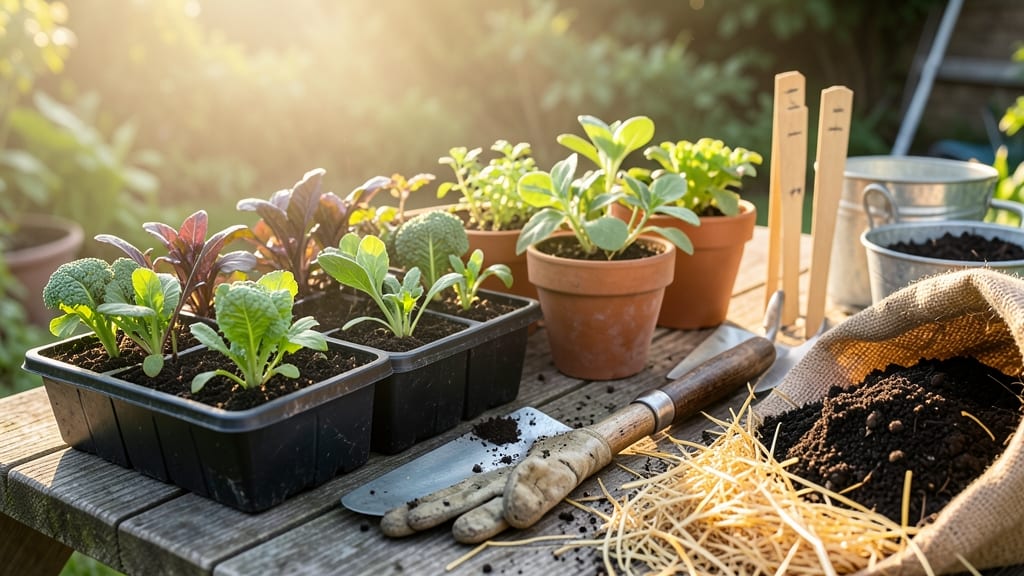
Planting a fall garden in Central Texas between mid-August and mid-October lets you beat the heat and harvest before the first frost—if you time it right.
Central Texas gardeners know the summer heat can be brutal—but with the right timing, you can grow a thriving fall garden packed with fresh vegetables 🥬.
Planting at the wrong time means wilting crops or wasted effort, so knowing the exact dates for heat-tolerant crops is your secret weapon for success.
This isn’t just about avoiding frost; it’s about working with Central Texas’ unique climate. The key is starting 6-8 weeks before your first frost date (usually mid-November) so your crops mature before temperatures drop.
Too early, and the summer sun will stress your plants; too late, and you’ll miss the harvest window entirely.
Below, I’ll break down the best planting windows for your favorite fall vegetables, how to prep your soil for success, and the 3 biggest mistakes that derail Central Texas gardens every year—so you can grow with confidence.
Best planting dates for fall vegetables in Central Texas heat zones
Central Texas gardeners face a unique challenge: balancing the lingering summer heat with the cooling fall temperatures. The key to success lies in planting heat-tolerant crops at the right time to avoid wilting before cooler weather arrives.
In USDA Zones 8a and 8b, the transition from summer to fall happens quickly, so timing is everything. Cities like Austin, Waco, and San Antonio have slightly different microclimates, but these guidelines will help you align your planting schedule with nature's rhythm.
For Central Texas, the best window to start your fall garden is between mid-August and mid-October. This timeline accounts for the region’s average first frost date of November 15, giving your crops enough time to mature before winter sets in.
Heat-tolerant vegetables like okra, sweet potatoes, and black-eyed peas thrive when planted in late summer, while cooler-season crops like kale and broccoli should wait until early fall.
🌱 Summary Table: Ideal Planting Dates for Fall Vegetables in Central Texas
In Austin (Zone 8a), the transition to cooler weather happens slightly earlier than in San Antonio (Zone 8b), where the heat lingers a bit longer.
For example, in Austin, you can start planting kale and broccoli as early as mid-September, while in San Antonio, wait until early October to avoid heat stress. Waco’s microclimate is drier, so focus on drought-tolerant varieties like black-eyed peas and okra for late summer plantings.
One of the biggest mistakes I see is planting cool-season crops too late. For instance, if you wait until October 15 to plant lettuce or spinach, they won’t have enough time to mature before the first frost.
Instead, aim to plant these 6-8 weeks before your expected frost date, which in Central Texas is typically November 15. This means your last planting window for cool-season crops should be around mid-to-late September.
For heat-loving crops, the goal is to get them established before temperatures drop below 70°F at night. Sweet potatoes, for example, need a long, warm growing season, so start planting slips by late July. By mid-August, you can add okra and
How to extend your fall garden season without risking frost damage
Central Texas’ unpredictable fall weather can turn a thriving garden into a frost-killed disappointment overnight. But with the right strategies, you can push harvests past November while protecting your plants from early freezes.
The key? Combining cold-hardy crops, protective barriers, and smart planting schedules tailored to our USDA Zone 8a/b climate.
Don’t let first frost dates (typically mid-November) limit your garden. By using row covers, succession planting, and soil warming techniques, you can extend your harvest window by 4-6 weeks.
The goal is to balance growth speed with frost protection—so you’re harvesting when crops are ripe, not waiting for a late freeze.
Use floating row covers after September 15
Lightweight fabric blocks 2-4°F of frost damage. Secure edges with bricks or soil to prevent wind damage. Ideal for lettuce, spinach, and kale.
Plant cold-hardy crops by October 1
Choose broccoli, cabbage, and carrots—they tolerate 28°F temps. Avoid frost-sensitive tomatoes or peppers after September 30.
Warm soil with black plastic mulch before planting
Lay mulch 2-3 weeks before sowing to raise soil temps by 5-10°F. Remove it after seeds germinate to avoid overheating.
Stagger plantings every 2 weeks for succession
Sow radishes or arugula in early October, then again in mid-October. This ensures a continuous harvest before frost.
For high-value crops like kale or Brussels sprouts, consider a low tunnel—a mini greenhouse made from PVC pipes and row cover. This can add 10-14°F of protection and extend harvests until December. Just remove it during the day to prevent overheating.
Monitor your local frost forecast (check NOAA or local ag extensions) and have emergency covers ready. Old blankets or burlap sacks draped over plants can save a crop during a light freeze (28-32°F). For harder freezes (below 28°F), opt for cloches or cold frames.
Remember: Soil temperature matters more than air temperature. Use a soil thermometer—ideal planting temps for fall crops range from 60-70°F. If your soil cools below 50°F, delay planting until it warms back up.
With these tactics, you’ll be harvesting fresh greens in December while your neighbors are digging out their jackets!