
Planting
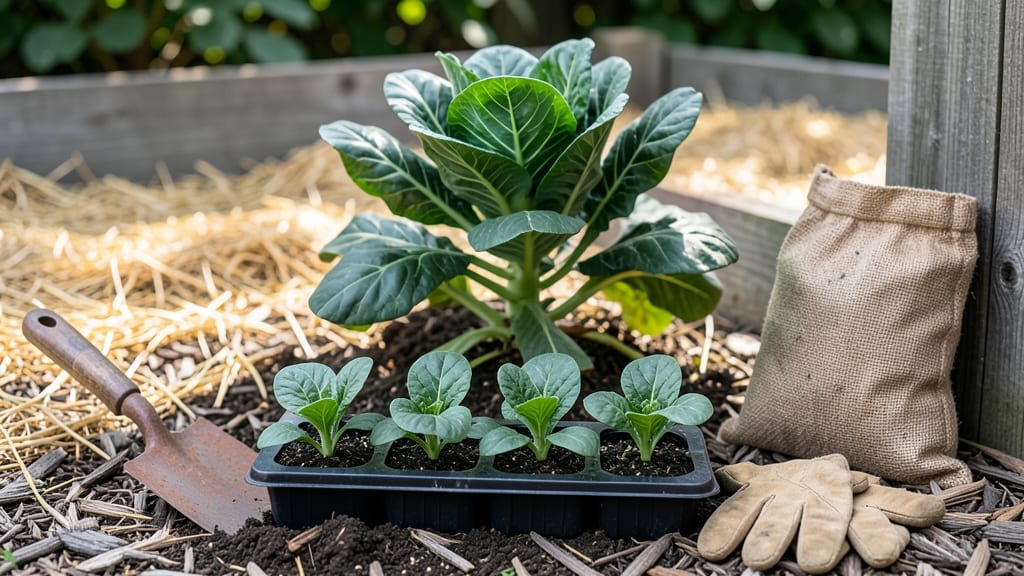
Planting a fall garden in Florida means starting between late August and early October—when the sun’s fury eases just enough for cool-season crops to take root.
Florida’s scorching summer heat can leave gardeners wondering if a fall harvest is even possible—but with the right timing and heat-tolerant crops, you can still enjoy a thriving garden when temperatures dip. Here’s exactly when to start planting for a bountiful Florida fall garden.
In USDA zones 8a-11, the key is beating the late-summer heat while avoiding the first frost (which almost never happens in Florida). That means choosing fast-maturing varieties like collard greens, mustard greens, and turnips, which can go from seed to harvest in as little as 30 days.
Below, I’ll break down the best planting windows by month, the top heat-tolerant crops for Florida’s fall season, and how to extend your harvest well into December—without losing your plants to humidity or pests.
Best planting timeline for Florida fall gardens by month
Florida’s fall gardening season offers a second chance to grow fresh produce after summer’s heat, but timing is everything. Unlike northern states, Florida’s climate zones 8a-11 allow for extended growing seasons, but hurricane risks and lingering summer heat demand careful planning.
The key is planting heat-tolerant crops in the right windows—starting in late summer and continuing through early fall—to avoid both extreme heat and storm damage.
Your fall garden’s success hinges on understanding Florida’s unique growing conditions. The state’s long growing season (300+ frost-free days) means you can grow crops well into winter, but hurricane season peaks in September, making early planting safer.
North Florida’s cooler nights (zones 8a-9a) allow for cooler-season crops like kale and broccoli, while South Florida (zones 10a-11) can still handle okra and sweet potatoes deep into fall.
📅 August is your first opportunity to plant heat-loving crops like tomatoes, peppers, and eggplant. These plants thrive in 80-90°F soil temperatures but need to be in the ground 6-8 weeks before first frost—though Florida rarely sees frost, cooler nights in late fall can stress them. For leafy greens, start seeds indoors or use shade cloth to protect seedlings from intense afternoon sun.
Here’s a month-by-month breakdown of what to plant and when to maximize your Florida fall harvest:
In August, focus on warm-season crops that can handle residual summer heat. Okra and sweet potatoes are excellent choices—they thrive in 90°F+ temperatures and can produce well into fall.
For tomatoes and peppers, opt for heat-tolerant varieties like ‘Celebrity’ tomatoes or ‘Jalapeño M’ peppers, and plant them in well-draining soil to prevent root rot. Use drip irrigation to keep foliage dry and reduce disease risk.
By September, temperatures start to drop, making it ideal for cool-season crops like collard greens and kale. These heat-tolerant greens can handle Florida’s 80-85°F days but prefer cooler nights. Plant them in partial shade if afternoon temps exceed 90°F.
September is also a great time to succession plant beans and carrots for a staggered harvest. Just be mindful of hurricane season: secure containers and use windbreaks for taller plants.
October marks the transition to true cool-season gardening, perfect for leafy greens like spinach and lettuce. These crops prefer 60-75°F temperatures and will bolt (go to seed) if exposed to consistent heat. Start seeds indoors or use shade cloth to extend the growing season.
For herbs like basil and cilantro, harvest leaves regularly to encourage bushier growth. October is also your last chance to plant radishes, which mature in just 25-30 days.
In November, North Florida gardeners can push the envelope with brassicas like broccoli and cabbage, but South Florida should stick to heat-tolerant greens or herbs. If you’re in Zone 8a or cooler, use row covers to protect young plants from unexpected chilly nights.
For all regions, mulch heavily to insulate roots and retain moisture. November is also a great time to plant garlic for a spring harvest—it thrives in Florida’s mild winters.
Remember, Florida’s fall planting timeline is flexible but must account for hurricane risks and variable temperatures. Always check the National Hurricane Center before planting outdoors in September. For container gardens, move pots to sheltered areas during storms
Top 10 heat-tolerant crops that thrive in Florida’s fall garden
Florida’s fall garden season offers a perfect opportunity to grow hardy crops that love the warmth but also tolerate cooler evenings. Unlike traditional cool-season plants, these heat-tolerant varieties thrive in Florida’s 85–95°F temperatures while still producing well into November.
Whether you’re a beginner or seasoned gardener, these crops deliver high yields with minimal fuss.
I’ve selected these top 10 crops based on their ability to handle Florida’s humidity and heat while providing nutrient-rich harvests. From okra to collard greens, each plant offers unique flavors and growing benefits. Let’s dive into the best-performing varieties and how to grow them for maximum success.
🌱 Heat-Tolerant Fall Crops for Florida
- 1. Okra – Thrives in 90°F+ heat; plant August–September for harvests until first frost. Yield: 20–30 pods/plant in 60–70 days.
- 2. Sweet Potatoes – Love warm soil; plant June–July for fall harvests. Yield: 5–10 lbs/plant in 100–120 days.
- 3. Collard Greens – Heat-tolerant until 85°F; sow August–September. Yield: Continuous harvest for 6+ months.
- 4. Eggplant – Prefers 80–90°F; transplant July–August. Yield: 8–12 fruits/plant in 70–90 days.
- 5. Peppers (Bell & Jalapeño) – Heat-lovers; plant June–August. Yield: 10–20 peppers/plant in 75–90 days.
- 6. Black-Eyed Peas – Drought-resistant; sow August–September. Yield: 2–3 lbs/10 ft row in 60–70 days.
- 7. Malabar Spinach – Thrives in 95°F+; plant year-round. Yield: Continuous harvest (heat-proof greens).
- 8. Cowpeas – Drought-tolerant; sow July–September. Yield: 1–2 lbs/plant in 70–90 days.
- 9. Cucumbers (Heat-Tolerant Varieties) – Plant August–September; choose ‘Straight Eight’ or ‘Lemon’. Yield: 10–15 cucumbers/plant in 50–60 days.
- 10. Basil – Heat-loving herb; sow August–September. Yield: Continuous harvest until first frost.
🌿 Pro Tip: Mulch with straw or pine needles to retain moisture and regulate soil temperature.
For okra and sweet potatoes, focus on well-draining soil and full sun to maximize yields. Meanwhile, collard greens and Malabar spinach can handle partial shade if afternoon sun is intense. Always water deeply in the morning to avoid fungal issues—Florida’s humidity is no joke!
My favorite trick? Succession planting every 2–3 weeks for crops like cucumbers and basil ensures a steady harvest. Start with small batches to test your soil’s response, then scale up. With these heat-tolerant champions, your Florida fall garden will stay productive long after other plants call it quits.
Need a quick reference? Bookmark this list and revisit it before your next planting session. Happy growing—your taste buds (and dinner plate) will thank you! 🌱