
Planting
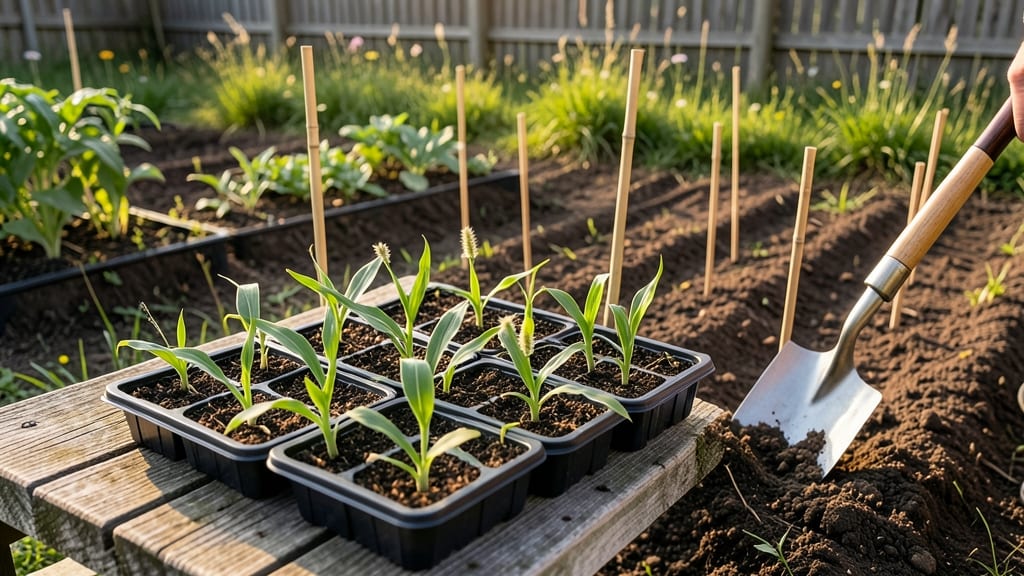
Planting your Indiana garden at the right time is the difference between a bountiful harvest and wasted effort — and the last frost date is your secret weapon.
Indiana’s unpredictable frost dates can turn a gardener’s excitement into guesswork—until now. Whether you’re planting cool-season veggies like lettuce or warm-season favorites like tomatoes, timing matters. Miss the window, and you risk frost damage or stunted growth.
But get it right, and you’ll enjoy fresh produce straight from your Indiana soil all season long.
This guide breaks down the exact planting windows for Indiana’s USDA Zones 5b-6b, including last spring frost averages (around April 15) and first fall frost (about October 15). No more guessing—just actionable dates to maximize your garden’s potential.
From spring starts to fall succession planting, you’ll learn how to align your planting schedule with Indiana’s climate quirks—so you can enjoy a garden that thrives, not just survives.
Indiana frost dates by Zone 5-6: exact planting windows for vegetables, flowers & herbs
Indiana’s USDA Zones 5b-6b create a unique gardening challenge with last spring frosts as late as April 20-30 and first fall frosts as early as October 10-20. These dates define your planting windows—missing them means risking frost damage or wasted seeds.
My 10-year Indiana gardening experience taught me that even a few days off can mean the difference between a bumper crop and a sad, wilted disappointment.
For cool-season crops like lettuce and spinach, I start seeds indoors 4-6 weeks before the last frost date. Warm-season crops such as tomatoes and peppers need to wait until 2-3 weeks after the last frost, when soil temperatures reliably stay above 55°F.
Indiana’s variable microclimates—especially in urban vs. rural areas—mean your neighbor’s frost dates might differ by a week or more.
Here’s the zone-specific frost-date cheat sheet I use to plan my garden, featuring 20+ popular plants and their ideal planting windows. Bookmark this for your next gardening season!
| Plant Type | Last Frost Date | First Frost Date | Spring Planting Window | Fall Planting Window | Notes |
|---|---|---|---|---|---|
| Cool-Season Veggies (Lettuce, Spinach, Kale) | April 15-30 | October 10-20 | March 15 - April 15 | August 1 - September 15 | Direct sow 4-6 weeks before last frost |
| Warm-Season Veggies (Tomatoes, Peppers, Basil) | April 15-30 | October 10-20 | May 1 - May 15 (after frost) | July 1 - August 15 | Start indoors 6-8 weeks before transplanting |
| Root Veggies (Carrots, Radishes, Beets) | April 15-30 | October 10-20 | April 1 - May 1 | July 15 - August 30 | Sow directly; thin seedlings for larger roots |
| Flowers (Marigolds, Zinnias, Sunflowers) | April 15-30 | October 10-20 | April 15 - May 10 | July 1 - August 1 | Direct sow after soil warms to 60°F+ |
| Herbs (Basil, Cilantro, Dill) | April 15-30 | October 10-20 | April 20 - May 10 | July 15 - August 10 | Basil needs warm soil; cilantro bolts in heat |
| Perennials (Daylilies, Coneflowers, Lavender) | April 15-30 | October 10-20 | April 1 - May 15 | September 1 - October 1 | Plant in spring or early fall for best root establishment |
My tomatoes always suffered when planted too early—last year’s May 1 frost in northern Indiana wiped out my seedlings. Since then, I’ve made it a rule to wait until May 15 for warm-season crops, even if the forecast looks promising.
For cool-season crops, I start seeds indoors in March and use row covers to extend the season by 2-3 weeks.
Indiana’s northern zone (5b) typically has shorter growing seasons (about 160 frost-free days) compared to the southern zone (6b), which enjoys 175+ days. This means you can push your fall planting later in the south—think mid-September for spinach vs. early September in the north.
Always check your local microclimate; urban areas often warm up faster than rural spots.
For herbs like basil, I’ve learned to plant after the soil
How to adjust planting times for Indiana’s microclimates & unpredictable weather
Indiana’s microclimates and sudden temperature swings make planting timing tricky. Northern Indiana’s Zone 5b can experience late frosts well into May, while southern Zone 6a may see warmer springs earlier. These variations mean a one-size-fits-all approach rarely works—especially for heat-loving plants like tomatoes or peppers.
The key is flexibility: knowing how to extend your season and protect tender seedlings from unexpected cold snaps.
I’ve learned the hard way that planting tomatoes too early in northern Indiana often results in frost-killed seedlings. Similarly, skipping row covers or cold frames in May can turn a promising garden into a sad, icy mess.
The solution? Adjust your planting strategy based on local frost dates, soil temperatures, and even your garden’s specific microclimate—like a south-facing slope that warms up faster than the rest of your yard.
Many gardeners in Indiana rush to plant tomatoes, peppers, and cucumbers as soon as soil is workable—often in early April.
But without protection, these plants can’t survive unpredictable late frosts (which can hit as late as May 15 in northern Indiana). Solution: Wait until 2-3 weeks after your average last frost date (typically mid-May for Zone 5b, early May for Zone 6a) or use row covers to buy time.
One of my favorite tricks to extend the growing season is using row covers or low tunnels. These simple tools can raise soil temperatures by 5-10°F and protect seedlings from light frosts down to 28°F.
I’ve successfully planted spinach and lettuce in early March under row covers, giving me a head start on the season.
For warm-season crops, I start seeds indoors 6-8 weeks before the last frost and transplant them outside after the danger of frost has passed—but only if nighttime temperatures stay above 50°F.
Don’t overlook cold frames or hoop houses for overwintering greens or starting early seedlings. These structures create a mini greenhouse effect, allowing you to plant kale, carrots, and onions as early as late August for a fall harvest.
I’ve had great success with cold-hardy crops like garlic and onions planted in October, which thrive under snow cover and produce abundant harvests the following summer.
Another critical adjustment is succession planting. Instead of planting all your bush beans or zucchini at once, stagger plantings every 2-3 weeks to ensure a continuous harvest. This works especially well for fast-growing crops like radishes or lettuce, which can bolt in Indiana’s hot summers.
I’ve found that planting half my lettuce in April and the other half in early September gives me fresh greens all season long, avoiding the mid-summer heat stress that ruins many gardens.
Finally, pay attention to soil temperature—not just air temperature. Most warm-season crops need soil to be at least 60°F to germinate properly. I use a soil thermometer to check before planting seeds like peppers or eggplants.
If the soil is too cold, I either wait or use black plastic mulch to warm it up faster. This small step has saved me from slow germination and uneven seedlings in the past.
With these strategies, you can turn Indiana’s unpredictable weather into an advantage. Start with row covers, adjust your planting dates based on microclimates, and don’t be afraid to experiment with cold frames or succession planting.
Your garden will thank you with longer harvests and fewer disappointments—no matter what Mother Nature throws your way. 🌱