
Planting
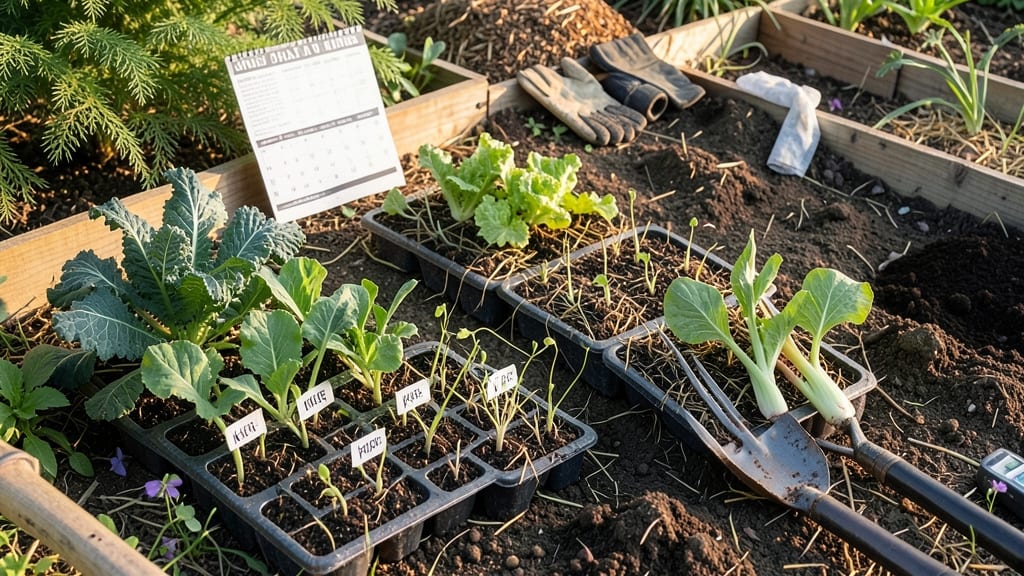
Planting your garden in Maine at the right time means the difference between a bumper crop and a wasted season—and the last frost dates are your best friend.
Maine’s unpredictable climate can turn your gardening dreams into a gamble—unless you know the exact last frost dates for each plant variety. Get your timing right, and you’ll enjoy a thriving garden; get it wrong, and you’ll risk frost damage or wasted effort.
With USDA zones 5a-6b and frost-free days averaging just 140, you’ve got a short window to work with. Cool-season crops like peas and lettuce can handle early spring planting, while tender plants like tomatoes and peppers need to wait until after May 10—though that date shifts yearly.
Below, I’ll break down the best planting schedule by variety, how to adjust for late frosts, and pro tips to stretch Maine’s growing season—so you can grow more, stress less, and enjoy fresh produce from your garden.
Maine’s last frost dates by region: critical timing for cold-hardy and tender plants
Maine’s short growing season and variable frost dates make timing everything for gardeners.
The last spring frost can arrive as early as April 15 in Southern Maine or as late as June 1 in Northern Maine, while the first fall frost ranges from October 1 in the North to October 20 in the South.
Understanding these regional differences helps you plant cold-hardy crops like potatoes and peas early and protect tender plants like tomatoes and peppers until it’s safe.
Maine spans USDA Hardiness Zones 3-5, with Northern Maine (Zone 3-4) facing the harshest winters and Southern Maine (Zone 5) offering slightly longer growing seasons. Even within these zones, microclimates—like sheltered valleys or coastal areas—can shift frost dates by 1-2 weeks.
For example, Portland’s last frost often occurs 2 weeks earlier than Presque Isle’s. Always check local historical data from sources like the Maine Climate Office to fine-tune your schedule.
Cold-hardy plants like kale, spinach, and potatoes can handle light frosts and often thrive when planted 4-6 weeks before the last frost.
In contrast, tomatoes, peppers, and basil need warm soil (at least 50°F) and no frost risk, so wait until 2 weeks after the last frost to transplant them. Peas and lettuce bridge the gap—they tolerate light frosts but prefer cooler soil, making early May ideal for most of Maine.
Here’s how to use frost dates to plan your garden by region:
| Region | Last Spring Frost (Avg.) | First Fall Frost (Avg.) | Frost-Free Days | Cold-Hardy Plants to Start Early | Tender Plants to Plant Late |
|---|---|---|---|---|---|
| Northern Maine (Zone 3-4) | June 1 (±7 days) | October 1 (±7 days) | 120-130 days | Potatoes, peas, kale, spinach | Tomatoes, peppers, basil (use row covers) |
| Central Maine (Zone 4-5) | May 15 (±7 days) | October 10 (±7 days) | 140-150 days | Carrots, beets, broccoli, radishes | Cucumbers, eggplants, melons |
| Southern Maine (Zone 5) | April 30 (±7 days) | October 20 (±7 days) | 160-170 days | Onions, garlic, Swiss chard, lettuce | Okra, sweet potatoes, tender herbs |
For Northern Maine, focus on fast-maturing varieties and extend your season with cold frames or row covers. Plant potatoes in early May and peas by late April to maximize your short window.
In Central Maine, you’ll have room for two full harvests—one in June-July and another in September-October—if you time succession plantings like lettuce and radishes correctly.
In Southern Maine, the longer season lets you experiment with warmer-weather crops like squash and corn, but even here, a late frost in May can still damage young plants.
Use frost cloth for tomatoes and peppers until June 10 as a safety measure. Pro tip: Monitor soil temperature—50°F is the magic number for warm-season crops to thrive.
Historical data shows that last frost dates have shifted slightly earlier in recent years due to climate change, but never rely on trends alone. Always check weekly forecasts and be ready to protect young plants with row covers or cloches if frost is predicted.
For high-value crops like tomatoes, consider starting seeds indoors in March and transplanting after the last frost.
Adjust your planting schedule based on plant sensitivity. Cold-hardy crops like spinach and peas can handle light frosts down to 20°F, while semi-hardy crops like broccoli and cabbage tolerate 25-30°F. Tender plants like basil and cucumbers will bolt or die if exposed to 32°F or below.
Use this rule of thumb: Plant cold-hardy crops 4-6 weeks before the last frost and wait 2 weeks after the last frost for tender plants.
For fall planting, aim to harvest
Best planting schedule for Maine gardens: month-by-month guide by variety
Maine’s short growing season demands precision—plant too early, and frost will nip your seedlings; too late, and you’ll miss peak harvests. The key is knowing your last frost dates (typically May 10-20 in most regions) and matching each plant’s frost sensitivity to the right window.
I’ve broken down my top 12 varieties by category, so you can plan with confidence.
For cold-hardy crops like potatoes and kale, you can start as early as late March under row covers. Tender plants like tomatoes and peppers? Wait until after Memorial Day when soil warms to 60°F+. Succession planting every 2-3 weeks ensures continuous harvests—critical for Maine’s 140-day growing season.
- 🥔 COLD-HARDY VEGETABLES (Plant 4-6 weeks before last frost)
- March 15-April 15: Potatoes (seed early indoors), peas, spinach, lettuce
- April 15-May 1: Kale, broccoli, carrots, radishes (succession plant every 2 weeks)
- May 15-June 1: Beets, Swiss chard, turnips (fall harvest varieties)
- 🌶️ TENDER VEGETABLES (Plant after last frost, use row covers)
- May 20-June 10: Tomatoes, peppers, eggplants (start indoors March 1)
- June 1-June 15: Cucumbers, squash, beans (direct sow after soil warms)
- July 1-August 1: Late basil, second crop of bush beans (succession plant)
- 🌼 PERENNIALS & FLOWERS (Plant in spring or fall)
- April 15-May 15: Lavender, coneflowers, daylilies (spring) or September (fall)
- May 1-June 1: Hardy perennials like hostas, asters (after frost risk passes)
- 🍂 FALL CROPS (Plant 8-10 weeks before first frost)
- July 15-August 15: Lettuce, spinach, kale, radishes (for fall harvest)
- August 1-September 1: Broccoli, cabbage, carrots (extend season with row covers)
Pro tip: Use row covers to push spring planting 2-3 weeks earlier for tender crops. For example, I’ve started tomatoes under floating row covers by May 1 in Southern Maine, adding 2-4°F protection against late frosts. In Northern Maine (Zone 4), wait until June 1 for maximum safety.
Don’t forget succession planting—replace harvested crops like lettuce or radishes with new seeds every 2-3 weeks to maximize your space. Even in Maine’s short season, this trick keeps your kitchen stocked from June through October.
For example, I plant radishes every 10 days from May to August for continuous harvests.
Extend your season further with cold frames or low tunnels. These simple structures can add 4-6 weeks to your growing season, letting you harvest spinach and kale well into November in most of Maine. Just be sure to ventilate on warm days to prevent overheating.