
Planting
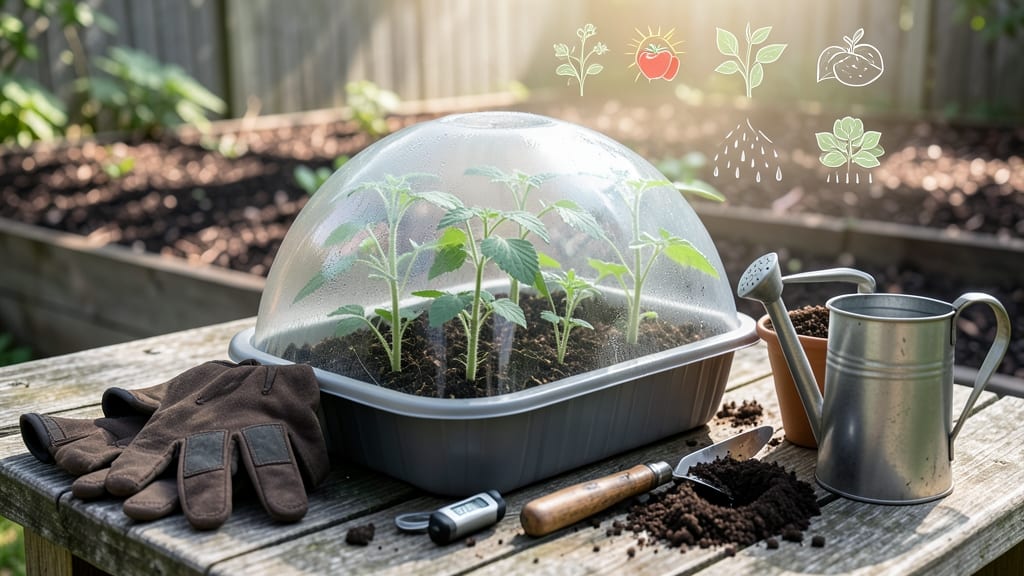
To plant a garden in Zone 7 at the perfect time means catching that narrow window when soil warmth and frost risk align—miss it, and you risk stunted growth or wasted seeds.
Timing your garden planting in Zone 7 can mean the difference between a thriving harvest and wasted seeds—soil temperatures hold the key to unlocking peak germination and plant success.
Zone 7’s unpredictable swings from late frosts to scorching summers demand more than just a calendar date. You’ll need to track soil temps (aim for 50°F for cool crops like peas or 75°F+ for tomatoes) and adjust for microclimates—like that shady corner that stays cooler longer.
In this guide, I’ll walk you through the exact soil temperature triggers for your favorite veggies and flowers, plus how to stretch your growing season with row covers and other tricks to beat Zone 7’s quirks.
Zone 7 planting calendar by soil temperature (not just dates!)
Timing your garden planting in Zone 7 isn't just about checking the calendar—it's about reading your soil's temperature. While average last frost dates give a rough estimate, soil thermometers reveal the exact moment when seeds should hit the dirt for optimal germination.
Most Zone 7 gardeners focus on air temperatures, but soil temps can lag behind by weeks, especially in spring.
For example, while your thermometer might show 60°F air temperatures in early March, the soil could still be hovering at 45°F—too cold for most vegetables. Understanding this gap helps you avoid wasted seeds and stunted plants.
Let's break down the critical soil temperature ranges for different plant types and when to plant them in Zone 7.
Here's the key: Cold-hardy crops like peas and spinach can handle 40°F-50°F soil, while heat-lovers like tomatoes and basil need 70°F-85°F. The secret is monitoring soil temps daily until they hit the right range for your plants.
I always keep a soil thermometer buried in my garden beds—it's the best way to avoid guesswork.
Let's start with cool-season vegetables, which thrive when soil temperatures range between 50°F-60°F. These are the plants you'll want to sow as early as possible in Zone 7, often 4-6 weeks before your last frost date.
I always plant spinach and peas in late February or early March, even if the air is still chilly. The key is to protect them with row covers if frost threatens.
For warm-season crops like tomatoes and peppers, you'll need to wait until soil temperatures consistently reach 60°F-70°F. In most of Zone 7, this typically happens in late April or early May, but it can vary by 1-2 weeks depending on your specific microclimate.
I've seen years where my garden soil warms up faster than my neighbor's because of differences in sun exposure and wind patterns.
One common mistake is planting tomatoes too early when soil temps are still cool. The seeds may rot, or seedlings will struggle to establish roots. I learned this the hard way—my first-year tomato plants took forever to grow because I planted them in 55°F soil.
Now, I always wait until the soil hits 65°F before transplanting seedlings.
Herbs like basil and cilantro have specific soil temperature preferences too. Basil needs 70°F+ soil to thrive, while cilantro prefers cooler 55°F-65°F conditions. This is why I plant basil in late May and cilantro in early spring or fall.
Understanding these preferences helps me maximize my herb garden's productivity throughout the growing season.
Don't forget about fall planting in Zone 7! Many vegetables can be sown in late summer for harvest before the first frost. For example, broccoli and kale can handle 5
Critical last frost dates vs. heat-tolerant planting exceptions in Zone 7
Zone 7 gardeners know the last frost date is everything—but it’s not the whole story. While the average last frost falls between March 15 and April 15, heat-loving crops like tomatoes and peppers need warmer soil to thrive.
Waiting for frost-free conditions can leave you behind the planting curve for these warm-season staples. The key? Balance timing with soil temperatures and use season extenders to push boundaries.
Most cool-season crops (think lettuce, spinach, and carrots) can handle light frosts and even tolerate 32°F temperatures once established. But peppers and eggplants?
They’ll sulk in cold soil, no matter how sunny it is. That’s why I always check soil thermometers—60°F+ is the magic number for these heat-seekers.
| Plant Type | Last Frost Rule | Soil Temp Requirement | Exception Strategy |
|---|---|---|---|
| Cool-Season Crops (Lettuce, Spinach, Peas) | Plant 4-6 weeks before last frost | 40-50°F (can tolerate cold) | Use row covers for late frosts |
| Warm-Season Crops (Tomatoes, Peppers, Cucumbers) | Wait until after last frost (soil warm) | 60-70°F (won’t germinate below 50°F) | Start indoors 6-8 weeks early or use cold frames |
| Heat-Tolerant Crops (Okra, Sweet Potatoes, Southern Peas) | Plant after May 1 (soil >70°F) | 70-85°F (thrive in heat) | Use black plastic mulch to warm soil faster |
| Herbs (Basil, Cilantro, Dill) | Basil: after last frost; Cilantro: early spring/fall | Basil: 65°F+; Cilantro: 50-60°F | Grow basil indoors until soil warms |
Don’t let March 15 rush you into planting tomatoes or peppers too soon. Cold soil will stall germination, and seedlings may rot. Instead, I use row covers or cold frames to create microclimates.
For example, a simple hoop house with clear plastic can raise soil temps by 10-15°F, letting me plant tomatoes a full 2 weeks earlier than the frost date suggests.
For heat-tolerant crops like okra or sweet potatoes, the rule flips entirely. These plants need heat to germinate—planting them before May 1 in Zone 7 is a recipe for disappointment.
I’ve learned the hard way that even 60°F soil can slow these down, so I wait until the ground is consistently above 70°F.
Pro tip: Soil temperature matters more than air temperature. A sunny 70°F day might feel warm, but if the soil is still 50°F, your pepper seeds won’t budge.
Invest in a $15 soil thermometer—it’s the best $15 you’ll spend in your garden. I check mine every morning before planting anything warm-season.
Extend your growing season with season extenders. A low tunnel can add 2-4 weeks to your fall harvest, while straw mulch keeps soil warm longer in spring. Last year, I used a cold frame to grow spinach through November—something I never thought possible in Zone 7!