
Plants
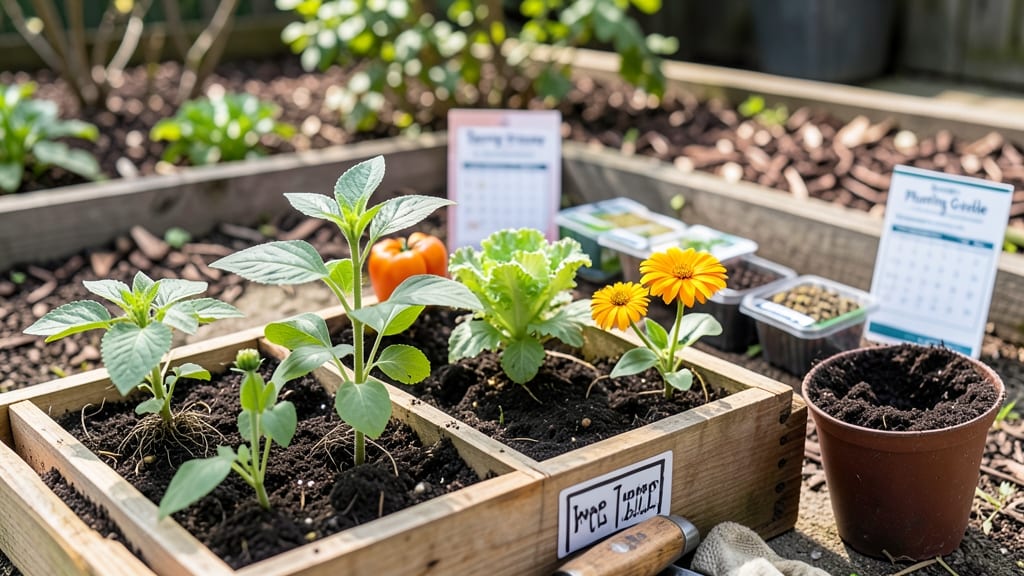
To plant in Virginia successfully, time your crops with frost dates: sow cool-season vegetables like lettuce and broccoli 4-6 weeks before your last spring frost (typically mid-February to early April), and wait until after the last frost (mid-April to early June) for warm-season favorites like tomatoes and peppers. Always verify your USDA hardiness zone (5b-8a) for precise timing.
Virginia's diverse climate means planting windows vary dramatically between regions—from the cooler highlands of the Shenandoah Valley to the milder Tidewater coast. 🌱 The key is understanding your local frost patterns: early spring frosts can devastate tender seedlings, while late frosts might delay warm-season planting.
I always recommend checking the Virginia Cooperative Extension frost maps for your specific area, as even neighboring counties can have 2-week differences in frost dates. For example, Roanoke's last frost typically comes in early April, while Norfolk's can be as late as mid-April.
Pro tip: Use floating row covers for early plantings—they can extend your growing season by 2-4 weeks without affecting soil temperature. This is especially useful for heat-loving crops like basil and cucumbers that need consistent warmth.
Many gardeners also swear by planting cool-season crops in late summer for fall harvests, using the same timing principles but working backward from your first expected frost.
💡 In This Article
- Virginia Frost Dates by Hardiness Zone
- Best Crops to Plant Each Month in Virginia Gardens
Virginia frost dates by hardiness zone
Virginia's frost patterns are shaped by its geographic diversity, creating distinct planting windows across USDA zones 5b through 8a. The Shenandoah Valley (zone 6b) typically experiences its last spring frost around April 15, while the coastal Tidewater region (zone 7b-8a) often sees frost-free conditions by March 15.
This 3-week difference highlights why zone-specific planning is critical—planting tomatoes too early in the mountains risks frost damage, while coastal gardeners might miss the optimal window if they wait too long.
The science behind these dates involves atmospheric pressure systems and elevation. Higher elevations like the Blue Ridge Mountains (zone 5b-6a) experience colder temperatures due to the 6.5°F per 1,000-foot elevation drop rule, while coastal areas benefit from the Gulf Stream's moderating influence.
Microclimates further complicate timing—south-facing slopes warm 2-3°F faster than north-facing areas, potentially extending growing seasons by 10-14 days for heat-loving crops like peppers.
First frosts in Virginia typically arrive between October 20 (mountains) and November 15 (coastal areas), with hard freezes (28°F) occurring 2-3 weeks later. These dates determine when to plant fall crops like kale and radishes, which can tolerate light frosts but won't survive hard freezes.
The 32°F threshold is particularly important—most cool-season crops handle this, but tender basil and cucumbers will die within hours of exposure.
For precise timing, I recommend using the Virginia Master Gardener Association's frost maps, which account for 30-year averages and local variations.
For example, Lynchburg's last frost average is April 5, but recorded late frosts have occurred as late as May 10—so always have floating row covers ready for heat-sensitive seedlings.
The 10-year rolling average shows climate change is pushing frost dates 3-5 days earlier each decade, making historical data less reliable than ever.
Here's what these dates mean for your garden:
- Zone 5b (mountains): Last frost April 20, first frost October 25—shortest growing season
- Zone 6b (Piedmont): Last frost April 10, first frost October 15—ideal for most crops
- Zone 7b (coastal plain): Last frost March 25, first frost November 5—longest season
Pro tip: Use soil thermometers to verify when soil reaches 60°F for warm-season crops—this is often 1-2 weeks after air temperatures suggest readiness. The difference between air and soil temperature can be crucial for germination rates, especially for slow starters like okra which need 75°F+ soil.