
Planting
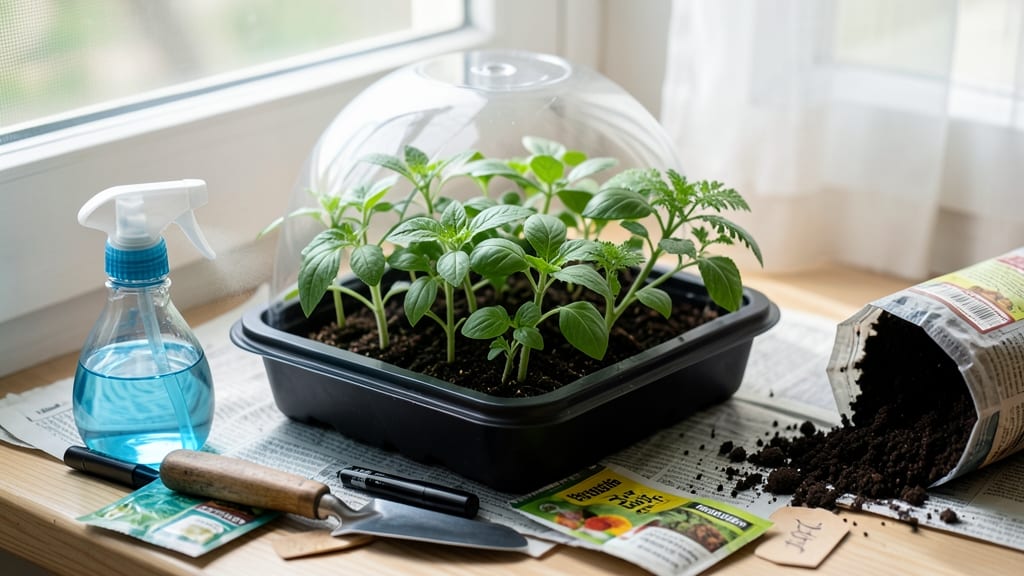
Planting seeds indoors at the best time can transform your winter windowsill into a thriving garden—if you nail the 8-week schedule before your last frost.
Picture this: You’ve got trays of seedlings ready to transplant, but the weather forecast says frost is coming back. That’s the worst-case scenario for indoor gardeners, and it happens more often than you’d think.
Timing isn’t just about counting backward from frost dates—it’s about matching your seed type to your climate, ensuring you’ve got enough light, and avoiding the classic mistakes that leave seedlings leggy or stunted.
In this guide, I’ll walk you through how to calculate your perfect planting window, adjust for cool-season vs. warm-season crops, and troubleshoot common pitfalls so your indoor starts hit the ground running.
How to calculate your local indoor seed planting timeline
Getting your indoor seed starting timeline right means the difference between lush seedlings and wasted seeds. The key is working backward from your last frost date—the average date when nighttime temperatures stay above 32°F (0°C).
This date tells you when it's safe to transplant seedlings outdoors, and from there, you can calculate your 8-week pre-seed start window.
First, find your USDA hardiness zone using the USDA Plant Hardiness Zone Map. This zone determines your frost-free growing season. For example, in Zone 6a (like many Midwestern states), the last frost typically falls around April 15.
If you're in Zone 8b (southern California), your last frost might be as early as January 15.
Once you know your last frost date, subtract 8 weeks to find your ideal indoor seed planting window. This 8-week rule accounts for most seedlings needing 4-6 weeks indoors before they're ready to transplant, plus a 2-week buffer for slower growers or unexpected delays.
For Zone 6a, this means starting seeds between mid-February and early March.
However, not all plants follow the same schedule. Cool-season crops like lettuce or spinach can handle light frosts and may need an earlier start (up to 10 weeks before last frost). Warm-season plants like tomatoes or peppers, which are frost-sensitive, should only start 6-8 weeks before your last frost.
Adjust your timeline based on the specific plant type.
Don't forget to account for your first frost date if you're growing plants that need a long season, like biennials or perennials.
For example, if you're growing hollyhocks (which take 2 years to bloom), you might need to start seeds indoors in late winter so they establish roots before winter sets in.
For year-round indoor gardening, like growing herbs or microgreens, you can plant seeds anytime. But for outdoor transplanting, stick to the 8-week rule for most vegetables. If you're unsure, check the seed packet for recommended planting dates—it often includes a days-to-harvest timeline that aligns with your local climate.
Pro tip: Use a seedling heat mat or grow lights to speed up germination if you're pushing the limits of your indoor seed starting window. This is especially helpful in northern climates where days are short in early spring.
Just ensure your seedlings get 12-16 hours of light daily to prevent leggy, weak growth.
Finally, keep a gardening journal to track your seed starting success over the years. Note adjustments you make for early/late frosts or unexpected weather patterns. Over time, you'll refine your indoor seed planting timeline to match your local microclimate perfectly.
With this step-by-step approach, you'll avoid the common pitfalls of starting seeds too early (crowded seedlings) or too late (shortened growing season). Happy planting! 🌱
Best indoor seed starting schedule by plant type
Not all seeds thrive on the same timeline, which is why understanding the best indoor seed starting schedule by plant type is crucial. Cool-season crops like spinach and broccoli can handle early starts, while warm-season plants like tomatoes and peppers need precise timing to avoid bolting or stunted growth.
Your local last frost date is your anchor—most seeds should begin indoors 4-8 weeks before transplanting outside.
Herbs like basil and cilantro are flexible but benefit from early starts, while flowers like marigolds or pansies often need staggered planting. The key is matching your seed’s temperature needs with your indoor setup.
A heat mat can help warm-season seeds germinate faster, while cool-season seeds may struggle if your home is too warm.
Start 8-10 weeks before last frost (e.g., February-March in Zone 6a). These thrive in 50-65°F soil temps.
Begin 6-8 weeks before last frost (e.g., March-April). Needs 70-85°F soil—use a heat mat if needed.
Start 4-6 weeks before last frost (e.g., February-March). Basil needs warmth (70°F+); cilantro bolts in heat—direct sow outdoors later.
Plant 6-10 weeks before last frost (e.g., March-April). Pansies tolerate cool temps (40-75°F); marigolds need warmth.
Harvest in 2-4 weeks—plant whenever needed under grow lights. Ideal for indoor harvests any season.
For warm-season plants, like tomatoes or peppers, delay starting until after your last frost date if you’re keeping them indoors year-round. These plants bolt (flower prematurely) if exposed to cold or long daylight too early.
Use grow lights to extend daylight to 14-16 hours if natural light is insufficient.
Herbs like basil and dill are trickier—they bolt in heat but need warmth to germinate. Start them indoors in late winter and move outdoors after the last frost. Cilantro, on the other hand, prefers cooler temps and can be direct-sown in fall or spring for best results.
Pro tip: Keep a seed starting journal to track germination times and adjust future schedules. For example, if your pepper seeds take 21 days to sprout instead of the usual 14, plan earlier next year. Light consistency is non-negotiable—supplement with LED grow lights if your windows aren’t sunny enough.
Finally, don’t overlook flowering plants. Many annuals, like petunias, need long daylight hours to bloom. Start them indoors 8-10 weeks before you want color in your garden. For perennials, like lavender, begin seeds indoors 6-8 weeks early but expect slower growth.