
Planting
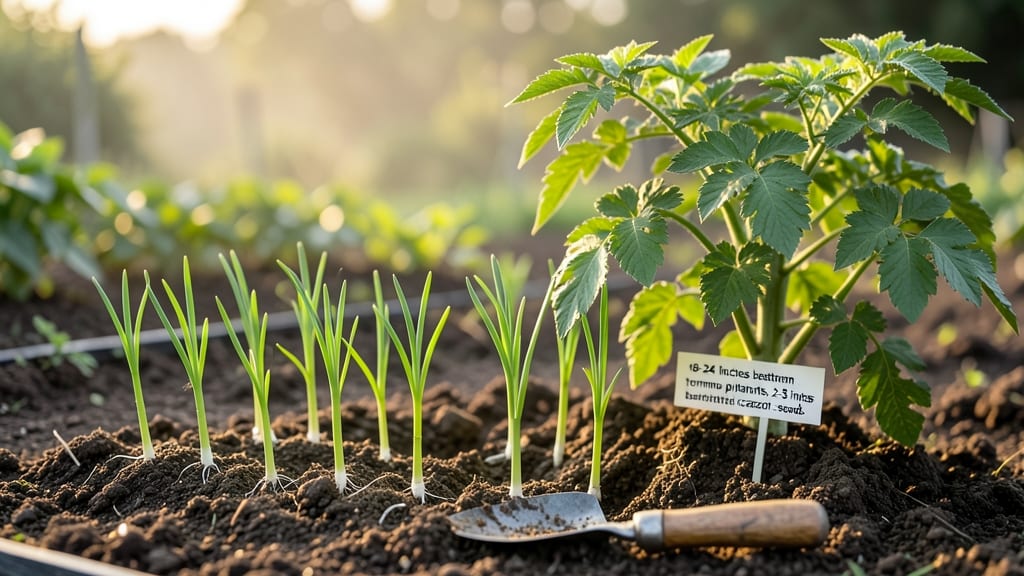
Planting carrots and tomatoes together is a smart move for small gardens — but only if you follow the right spacing and care rules.
Picture this: your tomatoes 🍅 sprawling upward while carrots grow their sweet roots below, both thriving in the same patch. It’s a space-saving dream, but get the setup wrong, and you’ll end up with tangled roots or stunted produce.
The key is knowing how to balance their needs without competing for resources.
Carrots prefer loose, well-drained soil to grow straight and sweet, while tomatoes need deep, nutrient-rich beds to support their heavy fruit. The good news? Their companion benefits—like pest control and shared nutrients—make this pairing worth the effort when done right.
In this guide, I’ll walk you through the exact spacing, soil prep, and planting schedule to make this combo work for you—no guesswork, just proven results.
Why carrots and tomatoes make a great companion pairing (and how to maximize benefits)
Planting carrots and tomatoes together isn't just a space-saving trick—it's a science-backed gardening strategy. These two plants create a mutually beneficial relationship that boosts yields, deters pests, and even improves soil health. The key lies in their complementary growth habits and natural pest-repellent properties that work in harmony.
Carrots, with their shallow root systems, benefit from the tomato plant's leaf canopy, which helps retain soil moisture and suppress weeds. Meanwhile, tomatoes thrive when their lower leaves stay dry, and carrots help by breaking up compacted soil, allowing better root penetration and drainage.
This dynamic creates an ecosystem where both plants support each other's growth.
Here's how these benefits break down in practice:
The tomato plant's foliage acts as a natural shade for carrots during the hottest parts of the day, preventing them from becoming bitter or developing forked roots. This is particularly valuable in hot climates where direct sunlight can stress carrot crops.
Meanwhile, the carrot's deep taproot helps break up compacted soil, improving aeration for tomato roots.
One of the most compelling benefits is their pest-repellent synergy. Carrots naturally deter aphids and whiteflies, common tomato pests, while tomatoes confuse carrot flies with their strong scent. This natural pest control reduces the need for chemical interventions, creating a more organic-friendly growing environment.
For best results, plant short varieties of tomatoes (like cherry tomatoes or bush varieties) alongside short to medium carrots (like 'Nantes' or 'Danvers'). This ensures neither plant outcompetes the other for space or nutrients.
The ideal spacing is 12-18 inches apart for tomatoes and 2-3 inches apart for carrots, with rows spaced 18-24 inches apart.
To maximize these benefits, start by preparing your soil with a balanced fertilizer (like 5-10-10) to provide phosphorus for carrots and nitrogen for tomatoes. Add a 2-3 inch layer of compost to improve soil structure and nutrient availability.
This preparation ensures both plants have the foundation they need to support each other's growth.
Regular mulching with straw or grass clippings helps maintain even moisture levels and suppress weeds. Since tomatoes need consistent moisture while carrots prefer slightly drier conditions, mulching creates a microclimate where both plants thrive. Water deeply in the morning to prevent fungal diseases on tomatoes while keeping carrot tops dry.
Monitor your plants for signs of nutrient deficiencies or pest pressure. If you notice yellowing leaves on tomatoes or stunted growth in carrots, it may indicate a need for additional nitrogen or phosphorus.
A simple soil test can help you adjust your fertilization plan to keep both plants healthy and productive throughout the growing season.
How to plant carrots and tomatoes together without common mistakes (step-by-step guide)
Planting carrots and tomatoes together is a smart move if done correctly. These two plants complement each other beautifully, but spacing and soil prep are critical. Carrots need loose soil to grow straight, while tomatoes require sturdy support.
Let’s dive into the steps to ensure both thrive side by side without competing for resources or space.
Start by choosing a sunny spot with at least 6-8 hours of sunlight daily. Tomatoes are heavy feeders, so enrich the soil with compost or aged manure before planting. Carrots prefer well-draining soil, so avoid compacted areas. A raised bed or loose garden soil works best for both crops.
⚠️ callout warning ⚠️
Don’t plant carrots too close to tomatoes—overcrowding stunts growth. Keep tomato plants 18-24 inches apart and carrots 2-3 inches apart in rows spaced 12-18 inches apart. Tomatoes need room to sprawl, while carrots need space to thicken. Skipping this step leads to misshapen carrots and poor tomato yields.
For transplanting tomatoes, start indoors 6-8 weeks before the last frost. Harden them off before moving to the garden. Carrots, on the other hand, are best direct-sown after soil temperatures reach 50°F. Sow seeds ½ inch deep and thin seedlings to 2-3 inches apart once they sprout.
Watering is another critical factor. Tomatoes need consistent moisture, especially during fruiting, while carrots prefer evenly moist soil but hate soggy conditions. Use drip irrigation or soaker hoses to deliver water directly to the roots. Avoid overhead watering to prevent disease on tomatoes.
Mulch around both plants to retain moisture and suppress weeds. Use straw or grass clippings for carrots and straw mulch for tomatoes. This keeps soil temperatures stable and reduces evaporation. Fertilize tomatoes with a balanced fertilizer every 2-3 weeks but avoid over-fertilizing carrots, as they’re light feeders.
Monitor for pests like aphids or tomato hornworms. Carrots can attract carrot rust flies, so use row covers if needed. Companion planting these two helps naturally deter pests—tomatoes repel some carrot pests, while carrots improve soil structure for tomatoes.
With the right spacing and care, you’ll harvest sweet carrots and juicy tomatoes all season long!