
Planting
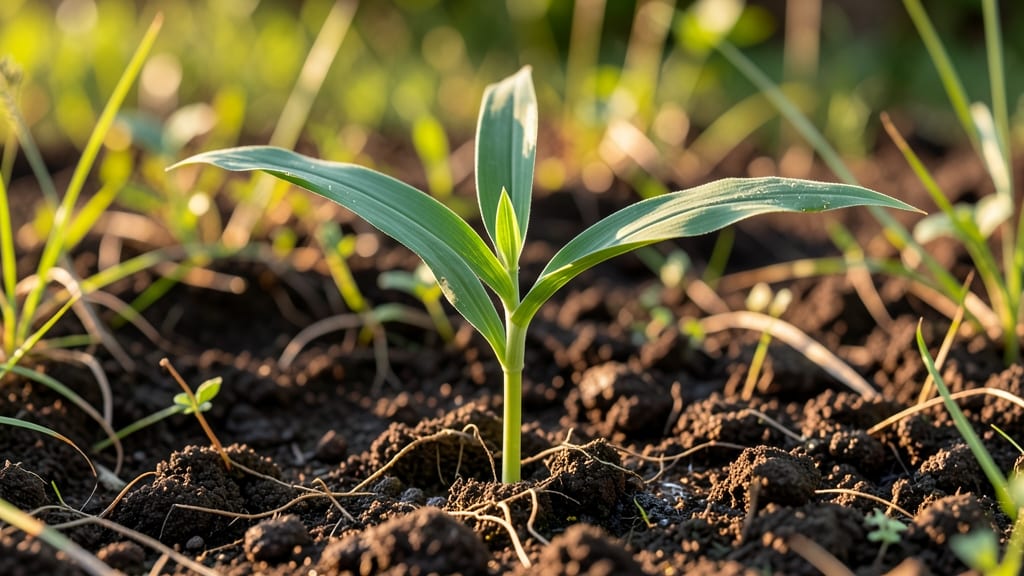
Those first corn plant seedlings could be peeking through soil in just 5-7 days—if you use these proven tricks. 🌱 I’ve watched impatient gardeners overwater, underheat, or plant too deep, then scratch their heads when nothing sprouts. The secret? Mimicking Mother Nature’s perfect conditions without the guesswork.
Start with warm soil (70-85°F) and moist, well-drained seedbeds—think of it as a cozy nest for your seeds. Plant kernels 1-1.5 inches deep in rows spaced 12 inches apart, and keep the soil consistently damp (not soggy).
A clear plastic dome or row cover speeds up germination by trapping warmth and humidity, cutting wait time by nearly half.
Within 10-14 days, you’ll see vibrant green shoots reaching for the light, ready to outpace slower-starting neighbors. The key is patience during those first critical days—overwatering drowns seeds, while too little moisture stalls growth. Once seedlings hit 4-6 inches, thin to 4-6 inches apart for strong stalks.
Common pitfalls? Crusty soil (prevent with mulch) or uneven moisture (water gently at the base). Troubleshoot weak seedlings by ensuring full sun (6+ hours/day) and rich, nitrogen-boosted soil. With these tricks, your corn will go from seed to tall, lush plants in record time.
📚 In This Guide
- What you need
- Instructions
- Tips and common mistakes
- Wrapping up and next steps
What you need
- ● Corn seeds: Choose fast-germinating varieties like Silver Queen or Sweet Baby (1–2 oz for a small garden, 4–8 oz for larger plots). Opt for organic, non-GMO seeds if possible.
- ● Seed-starting mix: A lightweight, sterile blend (e.g., 50% peat moss, 30% perlite, 20% vermiculite). Avoid garden soil—it’s too dense!
- ● Containers: Biodegradable peat pots (2–3 inches deep) or cell packs (for 12–24 seedlings).
- ● Plastic trays with drainage holes (if reusing containers, sanitize with a 10% bleach solution).
- ● Watering can or spray bottle: With a fine mist nozzle to keep seeds moist without drowning them.
- ○ Heat mat (optional but helpful): Set to 75–85°F to speed germination (especially for slow starters).
- ● Grow lights or sunny windowsill: Provide 12–16 hours of light daily (LED grow lights work great for seedlings).
- ● Plant labels: Small sticks or tags with seed variety names (and a pencil!).
- ● Fertilizer: A balanced, water-soluble option (e.g., 10-10-10) at half-strength after sprouts emerge.
- ● Humidity dome or plastic wrap: To trap moisture while seeds germinate (remove once sprouts appear!).
- ● Trowel or small shovel: For transplanting seedlings into the garden later.
- ○ Thermometer (optional): To monitor soil temp—corn loves 60–90°F for optimal growth.
Step-by-step instructions for growing lush corn plant seedlings
Here's how to kickstart vigorous corn plant seedlings in just days—not weeks.
🌱 Step 1: Prep Seeds for Faster Germination
Corn seeds have tough outer shells that slow sprouting. To speed things up, soak them overnight in warm water (70-75°F). Place seeds in a bowl, cover with water, and let sit for 12 hours. You'll see the outer coating soften slightly—this breaks dormancy and triggers faster germination. Drain and pat dry with a paper towel before planting.
I like to add a pinch of horticultural charcoal to the soaking water to prevent fungal issues. This step alone can cut germination time by 3-5 days. If your space is cool, warm the water slightly—corn seeds germinate best when soil stays above 60°F.
🪴 Step 2: Plant in Warm, Moist Soil
Use a lightweight seed-starting mix (never garden soil) and fill containers to 1 inch below the rim. Gently press the mix down to remove air pockets, then moisten until it feels like a damp sponge. Plant seeds 1 inch deep—deeper planting delays germination, while shallower planting risks drying out.
Place 2-3 seeds per cell (you'll thin later). I tap the seed packet gently to release seeds one at a time—planting too many in one hole leads to weak, crowded seedlings. Cover lightly with a thin layer of soil, then mist the surface with water until evenly damp. The goal is moisture without saturation.
☀️ Step 3: Provide Heat and Humidity
Corn seedlings thrive with bottom heat. Place containers on a seedling heat mat set to 75-85°F—this mimics tropical conditions where corn originates. Cover the tray with a clear plastic dome or plastic wrap to retain humidity. Check daily for condensation on the cover; if it's dry, mist the soil lightly.
Germination typically takes 7-14 days, depending on temperature. You'll know it's working when you see tiny white roots pushing through the soil surface. Remove the cover immediately once sprouts emerge—trapped humidity invites damping-off disease, which can kill seedlings overnight.
💧 Step 4: Move to Bright Light Immediately
The instant seedlings break through the soil, they need 12-14 hours of bright light daily. A south-facing window rarely provides enough intensity, so I use a grow light positioned 4-6 inches above the plants. Raise it as they grow to maintain that distance. Without sufficient light, seedlings stretch toward the source (called "leggy"), and stems weaken.
You'll see strong seedlings develop thick stems and deep green leaves within a week. If leaves appear pale or stems bend toward the light, your setup needs more intensity. Rotate the tray a quarter turn daily so plants grow straight and even.
✂️ Step 5: Thin and Fertilize for Lush Growth
Once seedlings show 2-3 true leaves (the first leaves after the initial seed leaves), thin to the strongest plant per cell. Use clean scissors to snip weak seedlings at the base—pulling can disturb roots. Fertilize lightly with a balanced liquid fertilizer (10-10-10) diluted to half strength. This encourages root development without burning tender foliage.
Water from the bottom by placing trays in ½ inch of water for 10 minutes every 2-3 days. You'll know moisture is right when the soil surface looks slightly damp but not glistening. Overwatering now leads to root rot, while underwatering causes stress and stunted growth.
Tips & tricks for fast-germination corn plant seedlings
Real talk: those first few days with corn seedlings can make or break your harvest. Here's how to maximize every step for the fastest, strongest starts possible.
Soaking Secret: The 12-hour warm water soak is non-negotiable for breaking dormancy, but here's the pro move: use a glass jar instead of a bowl. The curved sides help seeds stay submerged without floating away, and you can easily monitor the water temperature. If your tap water is hard, add a splash of distilled water to prevent mineral buildup on the seeds.
Temperature Matters: While the instructions call for 70-75°F water, I've found corn seeds respond even faster when soaked in water warmed to 80°F for the first 4 hours—just don't let it exceed 85°F or you risk cooking the seeds. After the initial warm soak, transfer to room temperature water for the remaining 8 hours. This two-stage approach cuts germination time by nearly 24 hours in cool environments.
Lighting Strategy: That 12-14 hours of daily light is critical, but here's what nobody tells you: position your grow light on a timer that cycles automatically. Most affordable LED grow lights come with built-in timers—set it for 14 hours on, 10 hours off. This eliminates the guesswork and ensures consistent light exposure. If using natural light, supplement with a standard LED bulb on a timer during cloudy days.
Thinning Technique: When you're thinning to the strongest seedling at the 2-3 true leaves stage, here's my game-changer: use a small spoon to gently loosen the soil around the weak seedlings first. This prevents disturbing the roots of your keeper plant. I also like to water the tray thoroughly before thinning—moist soil makes the cutting process cleaner and reduces stress on remaining seedlings.
Pro Tips for Corn Plant Seedling
- Real talk: those first few days with corn seedlings can make or break your harvest.
- Soaking Secret: The 12-hour warm water soak is non-negotiable for breaking dormancy, but here's the pro move: use a glass jar instead of a bowl.
- After the initial warm soak, transfer to room temperature water for the remaining 8 hours.
Frequently asked questions
Got questions about growing corn plant seedlings?
You’re not alone! Here are answers to the most common concerns—from timing to troubleshooting—to help you nurture healthy, fast-growing starts.
How long does it take for corn plant seedlings to germinate?
Corn seeds typically sprout in 7–14 days under ideal conditions (warmth, moisture, and darkness). For faster results, pre-soak seeds for 6–12 hours before planting. If germination takes longer than 3 weeks, check soil moisture and temperature—corn thrives in 70–85°F (21–29°C) soil.
Can I plant corn seeds directly outside, or should I start indoors?
Corn seeds don’t transplant well, so direct sowing is best—especially in warmer climates. Start after the last frost when soil is at least 60°F (15°C). If your growing season is short, use biodegradable pots for a head start, but harden off seedlings for 1–2 weeks before moving them outdoors.
Why are my corn seedlings wilting or turning yellow?
Wilting or yellowing often signals overwatering, underwatering, or poor drainage. Corn needs 1–1.5 inches (2.5–4 cm) of water weekly, but soggy soil causes rot. Check for pests (like aphids) or nutrient deficiencies (add a balanced fertilizer if leaves look pale). Ensure pots/containers have drainage holes!
What’s the best companion plant for corn seedlings?
Corn loves nitrogen-fixing companions like beans, peas, or clover, which boost soil health. Avoid planting near tomatoes or potatoes (they compete for nutrients). For container growing, pair with shallow-rooted herbs like basil or marigolds to deter pests naturally.
How do I protect corn seedlings from cold snaps?
Corn is frost-sensitive, so cover seedlings with row covers, frost blankets, or cloches if temperatures dip below 50°F (10°C). For extra warmth, use black plastic mulch to absorb sunlight. If a hard freeze is forecast, consider starting seeds indoors in peat pots for later transplanting.
Wrapping up and next steps
Growing corn plant seedlings with speed and success is all about patience, the right conditions, and a little know-how! By following these fast-germination tricks—like soaking seeds, maintaining warmth, and ensuring proper moisture—you’ll be well on your way to a thriving corn crop. 🌱✨
Now that you’re armed with tips and answers to common questions, it’s time to roll up your sleeves and plant. Start small, experiment with these techniques, and watch your seedlings sprout with confidence. Happy gardening—your future harvest is waiting! 🌽💚