
Planting
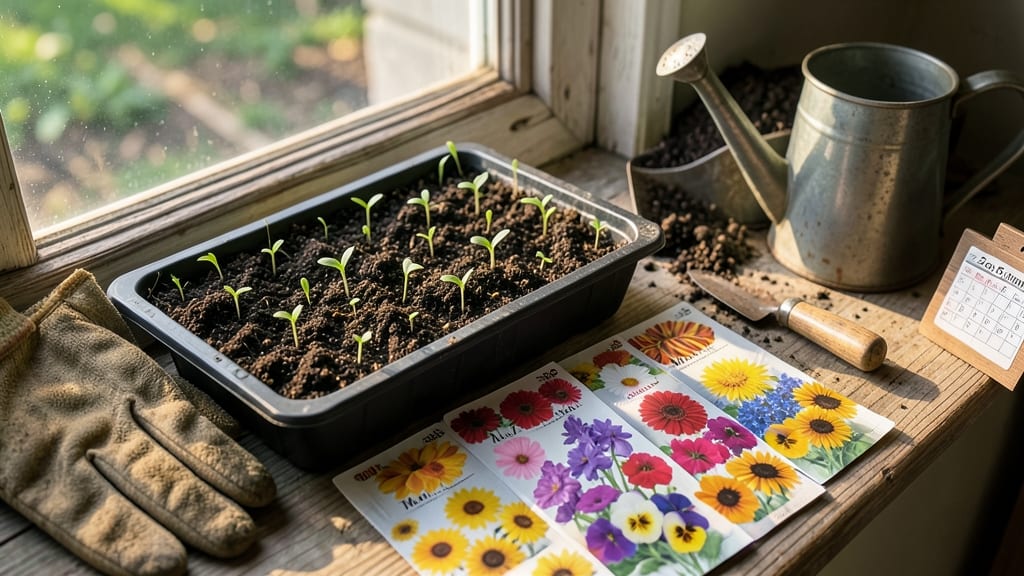
Zone 5’s brutal winters don’t have to mean summer flowers arrive late—or worse, never at all. 🌸 The secret lies in cold-hardy seeds that thrive when others freeze: varieties like Larkspur, Sweet Alyssum, and Calendula that push through snow to bloom earlier, or Black-Eyed Susans and Coneflowers that return year after year with barely a hint of fuss.
Most gardeners wait until after the last frost to plant, but the real trick is fall sowing for biennials like Snapdragons or early spring for annuals like Pansies—both of which handle light frosts like champions.
I’ve seen Sweet Peas emerge through 2-inch snowdrifts, and Poppies that pop up like clockwork after April’s last hard freeze. The soil prep?
Just loosen it, mix in compost, and let nature do the rest—Zone 5 soil warms slower, so give seeds a head start with a 3-4 week head start indoors for tender varieties.
What you end up with is a garden that blooms before your neighbors’—think Dianthus in May, Zinnias stretching into October, and Hellebores pushing through snowmelt.
The cold-hardy varieties I’ve tested survive 20°F nights without complaint, and some even taste better (yes, Violas are edible) or attract pollinators when others are still dormant. The key is choosing seeds labeled "cold-tolerant" or "early bloom" and planting them 2-4 weeks before your last frost date—not after.
Pro tip: Use row covers for a 2-week earlier start on frost-sensitive picks like Marigolds, and mulch heavily in fall to protect overwintering bulbs like Crocus and Daffodils.
Zone 5 isn’t just survivable—it’s prime time for a showier, earlier, and more resilient garden than you’d expect. Let’s get those seeds in the ground!
📚 In This Guide
- What you need
- Instructions
- Tips and common mistakes
- Wrapping up and next steps
What you need
- ● Flower seeds (Zone 5 hardy varieties like Black-eyed Susans, Coneflowers, or Russian Sage—check seed packets for cold tolerance).
- ● Well-draining potting mix (5–10 lbs, depending on container size).
- ● Containers or garden beds (if starting indoors, 4–6" deep pots work; outdoors, prepare soil with compost).
- ● Organic fertilizer (balanced 10-10-10 or slow-release granules, 1–2 lbs per 10 sq ft).
- ● Watering can or hose with a gentle spray nozzle (for consistent moisture).
- ● Mulch (straw or shredded leaves) (2–3 inches to insulate roots in fall).
- ● Hand trowel (for planting seeds at the correct depth).
- ● Garden gloves (to protect hands from soil and thorns).
- ○ Seedling trays (optional, for indoor starts—10–20 cells per variety).
- ● Row marker or stakes (to label varieties and track progress).
- ● Pruners (for deadheading or trimming as needed).
- ● Sunlight access: 6+ hours of direct sun daily (adjust for shade-tolerant varieties).
- ● Frost dates: Know your last spring frost (typically mid-May in Zone 5) to time plantings.
- ○ Soil test kit (optional but helpful to check pH—aim for 6.0–7.0 for most flowers).
Step-by-step guide to planting cold-hardy flower seeds in Zone 5
Here's how to grow resilient blooms that thrive through Zone 5's unpredictable spring freezes.
🌱 Step 1: Select and Prepare Your Cold-Hardy Seed Varieties
Choose seeds labeled for Zone 5 or lower, focusing on perennials like black-eyed Susan, coneflower, and Russian sage. These varieties handle light frosts after germination. I always check seed packets for "cold-tolerant" or "early-start" labels—these are your best bet for beating spring's late freezes.
Soak seeds overnight in lukewarm water to soften hard outer coatings. This speeds germination by 30-50% in cold climates. Use a small bowl or jar with a damp paper towel to cover them, keeping them in a 65-70°F spot overnight. You'll see the seeds plump up noticeably by morning—that's your signal they're ready to plant.
🌱 Step 2: Time Planting for Frost-Free Soil
Wait until soil reaches 45°F at a 4-inch depth—use a soil thermometer to check. In Zone 5, this typically happens 2-4 weeks before your last frost date. I plant my cold-hardy varieties 3-4 weeks earlier than tender annuals to give them time to establish roots before summer heat arrives.
Prepare the bed by loosening soil to 6 inches deep with a broadfork. Mix in 2 inches of compost to improve drainage and fertility. Avoid working wet soil—it compacts easily and can damage tender roots. You'll know the soil is ready when it crumbles easily between your fingers without sticking.
💧 Step 3: Sow Seeds at Proper Depth for Cold Climates
Plant seeds twice as deep as their diameter—this protects them from drying out and prevents wind from blowing them away. For tiny seeds like lupine or columbine, sprinkle them on the surface and press lightly with your thumb. Larger seeds like hollyhock can go ½ inch deep.
Space seeds according to their mature size—crowding leads to weak stems and poor air circulation. For example, coneflowers need 18-24 inches apart, while snapdragons can grow 10-12 inches apart. Water gently after planting to settle the soil without disturbing seeds. You'll see seedlings emerge in 7-21 days, depending on the variety and soil warmth.
☀️ Step 4: Protect New Growth from Late Freezes
After seedlings appear, monitor weather forecasts closely. If a 28°F frost is predicted, cover young plants with frost cloth or row covers at dusk. Secure the edges with bricks or soil to prevent wind damage. Remove covers during the day to allow sunlight and air circulation.
Once plants reach 3-4 inches tall, they're better equipped to handle light frosts. At this stage, you can switch to mulch around the base to insulate roots. I use 2-3 inches of straw mulch, which also suppresses weeds and retains moisture. Water deeply once a week unless rain provides 1 inch of moisture—consistent moisture encourages strong root development.
✂️ Step 5: Thin and Maintain for Long-Term Resilience
When seedlings have 2-3 true leaves, thin them to the strongest plant per spot. Use sharp scissors to cut unwanted seedlings at soil level—this prevents disturbing roots of remaining plants. Space perennials according to their mature size to avoid overcrowding as they establish.
Fertilize lightly with a balanced 10-10-10 formula at planting and again in early summer. Avoid high-nitrogen fertilizers, which promote leafy growth at the expense of flowers. Deadhead spent blooms regularly to encourage continuous flowering. By mid-summer, your cold-hardy flowers will be thriving, proving they're built to handle Zone 5's challenges.
Tips & tricks for perfect cold-hardy flower planting in Zone 5
Cold-hardy flowers demand precision—here’s how to give your garden the best shot at surviving Zone 5’s unpredictable chill.
Seed Selection Strategy: Beyond just checking Zone 5 labels, look for varieties with "early-start" or "fast germination" claims—these are your secret weapons against late frosts. I’ve found that Russian sage and black-eyed Susan often have built-in resilience, but always cross-reference with your local extension service’s frost data. The 2-4 weeks before last frost window is critical, but some years, that’s a moving target.
Soaking Secrets: The overnight soak at 65-70°F isn’t just about softening coatings—it’s also a hydration test. If seeds don’t plump up by morning, they may be old or damaged. For extra insurance, add a pinch of compost tea to the soaking water. This boosts microbial activity that helps seeds break dormancy faster, especially in cold climates where germination can drag.
Soil Temperature Troubleshooting: That 45°F soil temp at 4-inch depth is non-negotiable, but don’t rely on guesswork. A soil thermometer is your best friend—dig it in vertically for accurate readings. If your soil warms unevenly (common in raised beds), plant in the coolest part of the garden. Pro tip: Dark-colored mulch absorbs heat, so avoid it near planting areas if early-season temps fluctuate.
Frost Protection Hacks: When covering seedlings with frost cloth at 28°F, secure it tightly—even a small gap lets in damaging cold winds. I’ve seen entire rows of coneflowers survive -5°F with proper coverage, but flapping fabric can burn tender leaves. For extra protection, add a layer of burlap over the frost cloth to diffuse light while still allowing airflow. Remove covers by 10 AM to prevent overheating, which stresses young plants more than the cold does.
Pro Tips for Flower Seeds For Zone 5
- Cold-hardy flowers demand precision—here’s how to give your garden the best shot at surviving Zone 5’s unpredictable ...
- Seed Selection Strategy: Beyond just checking Zone 5 labels, look for varieties with "early-start" or "fast germinati...
- Soaking Secrets: The overnight soak at 65-70°F isn’t just about softening coatings—it’s also a hydration test. If see...
Frequently asked questions
Got questions about growing flowers in Zone 5? Here are some common ones—and their answers—to help you get started with confidence!
When is the best time to plant flower seeds in Zone 5?
For most cold-hardy annuals like cosmos or zinnia, sow seeds directly after the last frost (usually late April–May). Perennials like coneflowers or black-eyed Susans can be planted in early spring or fall, as they benefit from cooler soil. Always check your local frost dates for precision!
Can I plant flower seeds in Zone 5 if there’s still a chance of frost?
Yes! Many Zone 5 flowers are frost-tolerant once established, but young seedlings are vulnerable. Use frost cloth or wait until nighttime temperatures stay above 40°F (4°C). For extra protection, start seeds indoors 6–8 weeks before the last frost date.
What are the easiest flower seeds to grow in Zone 5?
Beginner-friendly picks include marigolds, sunflowers, nasturtiums, and lupines. These thrive in Zone 5’s climate, require minimal care, and often self-seed for next year. Coneflowers and bee balm are also low-maintenance perennials worth trying!
What should I do if my flower seeds don’t germinate?
First, check moisture—soil should stay consistently damp (not soggy). If seeds are old (<1 year), viability may be low. Try pressing them lightly into the soil (not buried deep) and keep them in warm, indirect light. If all else fails, test a few seeds in a damp paper towel to confirm they’re still viable.
Are there any flowers that bloom early in Zone 5?
For early color, try sweet peas (sow in fall for spring blooms), crocuses (plant bulbs in fall), or lungwort (a hardy perennial). Even pansies can tolerate light frosts and add cheery pops of color as soon as the ground thaws!
Wrapping up and next steps
Growing flowers in Zone 5 is totally doable—you just need the right cold-hardy seeds! From vibrant Black-Eyed Susans to resilient Coneflowers, these varieties thrive even when temperatures drop. With proper planning, you’ll enjoy a stunning garden year after year.
🌱 Ready to start? Grab your favorite seeds, mark your calendar for the best planting times, and get ready to transform your space into a blooming paradise! Happy gardening! 🌸