
Planting
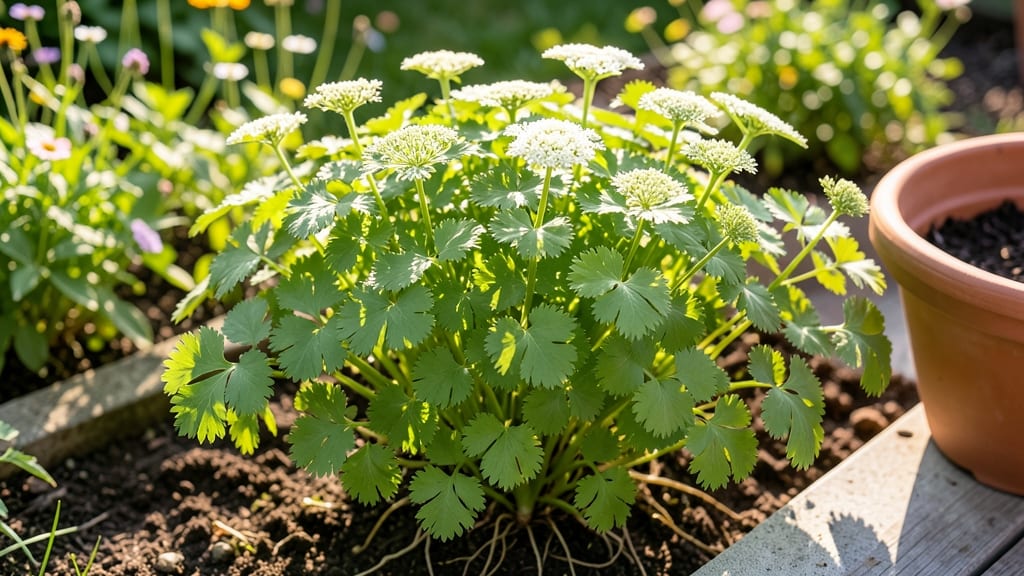
A healthy cilantro plant starts with the right conditions—and I’ve perfected a foolproof method for growing it on a sunny windowsill in just 3 weeks. 🌱 The secret lies in mimicking its Mediterranean roots: cool soil, bright light, and consistent moisture without soggy roots.
Most people overwater or let it bolt too soon, but this approach keeps it lush and flavorful all season.
You’ll need a 6-inch pot with drainage, well-draining potting mix (avoid garden soil), and a sunny spot getting 6+ hours of light daily. Plant seeds ¼-inch deep, 2 inches apart, and keep the soil damp—not wet.
A spray bottle works best for gentle watering. Within 10 days, you’ll see those familiar feathery leaves pushing through the soil.
By week 3, you’ll have a vibrant, productive plant ready for snipping. The key is preventing bolting (that bitter flowering stage) by harvesting leaves before the plant reaches 6 inches tall. Trim regularly, and it’ll keep growing bushier. Avoid rich fertilizers—cilantro prefers lean soil and will bolt if overfed.
This method works year-round for windowsill gardening, whether you’re in an apartment or just want fresh cilantro without the store’s wilted bunches. Once you master it, you’ll never buy cilantro again—and your salsa will taste like a restaurant’s. Ready to grow?
📚 In This Guide
- What you need
- Instructions
- Tips and common mistakes
- Wrapping up and next steps
What you need
- ● Cilantro seeds: 1 packet (about 100-200 seeds) – opt for organic or heirloom varieties for best flavor.
- ● Containers: 2-3 small pots (4-6 inches wide) with drainage holes or a seed tray with cells.
- ● Potting mix: 2-3 cups of well-draining, seed-starting mix (avoid garden soil—it’s too dense!).
- ● Watering can or spray bottle: A fine-mist spray works best for delicate seedlings.
- ● Grow lights or sunny windowsill: A south-facing window (6+ hours of sunlight) or a 12-15W LED grow light for indoor setups.
- ○ Optional: A humidity dome or plastic wrap to keep seeds moist while germinating.
- ○ Optional: Fertilizer (balanced liquid fertilizer, diluted to half-strength) for faster growth.
- ○ Optional: Tweezers or a small spoon for gently planting seeds.
- ○ Optional: A moisture meter to check soil dampness (prevents over/under-watering).
Step-by-step instructions for growing a thriving cilantro plant
Here's how to coax bold, flavorful cilantro that won't bolt prematurely—my foolproof windowsill method.
🌱 Step 1: Choose the Right Containers and Soil Mix
Use 4-inch diameter pots with drainage holes for each plant—cilantro hates soggy roots. I fill them with a blend of 50% potting mix and 50% compost to give young roots both structure and nutrients. Press the mix down gently until it's firm but not compacted—you want air pockets for root development but enough density to support the plant.
Cilantro thrives in loose, well-draining soil. If your mix feels gritty or doesn't hold moisture, add a handful of coconut coir to improve water retention. The goal is soil that drains quickly but stays moist for 2-3 days between waterings. Tap the pot lightly after filling to eliminate air pockets that could stunt root growth.
🌱 Step 2: Sow Seeds at the Correct Depth and Spacing
Plant 3-4 seeds per pot at a depth of ¼ inch—any deeper and they'll struggle to emerge. I use my finger to make small holes, then place one seed in each, spacing them 1 inch apart. Cover lightly with additional soil, but don't press down—cilantro seeds need darkness to germinate.
Mist the soil surface with a spray bottle until evenly damp, but avoid soaking the seeds. The soil should feel like a wrung-out sponge—not dripping, but consistently moist. Place the pots in a warm spot (70-75°F) for germination, which typically takes 7-14 days. Patience here pays off—rushing watering will wash seeds away.
☀️ Step 3: Position for Bright, Indirect Light
Once seedlings emerge, move them to a south-facing windowsill where they'll receive 4-6 hours of morning sun and bright indirect light the rest of the day. Direct afternoon sun will cause the leaves to scorch, turning yellow at the edges—a sure sign of too much intensity.
Rotate the pots a quarter turn every 2-3 days so the plants grow straight rather than leaning toward the light. You'll notice this when stems start bending—cilantro is sensitive to light direction and will stretch toward it aggressively. Keep the soil surface damp but not wet; cilantro prefers consistent moisture but roots will rot if submerged.
💧 Step 4: Water and Fertilize for Lush Growth
Water when the top inch of soil feels dry, which usually means every 2-3 days in warm conditions. I water from the bottom by placing the pot in a shallow tray of water for 10 minutes, then letting it drain completely. This prevents splashing soil onto leaves, which can cause fungal issues.
After the first set of true leaves appears (not the initial seed leaves), switch to a balanced liquid fertilizer diluted to half-strength every 2 weeks. Cilantro grows quickly, and regular feeding prevents the leaves from becoming sparse or bitter. Stop fertilizing 2 weeks before harvest to ensure the best flavor.
✂️ Step 5: Harvest and Encourage Continuous Growth
Begin harvesting when the plants reach 4-6 inches tall by snipping the outer leaves with clean scissors. This encourages bushier growth and prevents the plant from bolting (flowering prematurely). I harvest in the morning after the dew has dried—leaves are crispest then and regrow faster.
If the plant starts flowering (you'll see tall stems with white or pink flowers), snip those stems immediately to redirect energy back to leaf production. For a continuous supply, harvest every 2-3 weeks and pinch back any flowering stems as soon as they appear. With this method, you'll get 4-6 weeks of fresh cilantro from a single planting.
Tips & tricks for perfect sunny windowsill cilantro
Here's what nobody tells you about growing cilantro that stays fresh and flavorful—no bitter surprises included.
Soil Texture Matters: The 50/50 mix of potting soil and compost is non-negotiable for cilantro. I've tried heavier mixes, and they cause root rot within days. For extra insurance, sift your soil through a mesh screen before planting—this removes large clumps that can suffocate young roots. The goal is soil that crumbles easily between your fingers but holds moisture like a damp sponge.
Germination Environment: That 70-75°F warm spot is crucial—too cool and seeds may never sprout. I place my pots on top of my fridge during germination because it creates a consistent warm microclimate. If your kitchen runs cold, try placing pots near a sunny window with indirect heat from a lamp. The key is patience: seeds need darkness to germinate, so resist the urge to peek daily.
Light Rotation Strategy: The 2-3 day rotation schedule prevents leggy plants that stretch toward light. I set a phone alarm labeled "Rotate Cilantro" to remind me—trust me, you'll forget otherwise. When you see plants leaning, it's already too late for that pot. For even growth, position your windowsill so light comes from two directions (like a corner window) if possible. Artificial grow lights work too, but natural light gives the best flavor.
Harvesting Technique: Always use clean, sharp scissors for harvesting—dull blades crush stems and invite disease. I snip just above a leaf node (the bump where leaves grow) to encourage branching. For maximum yield, harvest in the morning when leaves are crispest and most flavorful. Never take more than 1/3 of the plant at once—this keeps your cilantro producing for weeks.
Pro Tips for Healthy Cilantro Plant
- Here's what nobody tells you about growing cilantro that stays fresh and flavorful—no bitter surprises included.
- Soil Texture Matters: The 50/50 mix of potting soil and compost is non-negotiable for cilantro.
- Germination Environment: That 70-75°F warm spot is crucial—too cool and seeds may never sprout.
Frequently asked questions
Got questions about growing a thriving healthy cilantro plant? You’re not alone! Here are answers to the most common queries to help you cultivate fresh, flavorful cilantro at home—no green thumb required.
How often should I water my cilantro plant?
Keep the soil consistently moist but not soggy. Water when the top inch feels dry—usually every 2–3 days. Overwatering causes root rot, while underwatering leads to bolting (flowering too soon). A self-watering pot or misting spray helps maintain humidity.
Why does my cilantro bolt (go to seed) so quickly?
Cilantro bolts due to heat, drought, or long daylight. To delay it:
- Harvest leaves frequently to encourage regrowth.
- Use shade cloth (30–50%) if temps exceed 75°F.
- Choose slow-bolting varieties like ‘Calypso’ or ‘Santo.’
- Avoid letting soil dry out completely.
Can I grow cilantro indoors without a sunny window?
Yes! Use a grow light (LED or fluorescent) 12–16 hours/day, 6–12 inches above the plant. South-facing windows get the most natural light, but east/west works too. Rotate the pot weekly for even growth. If light is still weak, supplement with a light for 4–6 hours daily.
What can I do if my cilantro leaves taste soapy?
Soapy cilantro is usually a sign of herbicide residue (common in store-bought plants) or genetic sensitivity. Try these fixes:
Leggy or wilted cilantro often needs more light or pruning. Trim the longest stems just above a leaf node to encourage bushier growth. Move it to a brighter spot (or under a grow light) and reduce watering slightly. If roots are healthy, it’ll bounce back in 1–2 weeks! Try these cilantro substitutes for similar brightness and freshness:
Pro tip: Harvest in the morning—flavor peaks early!
How can I revive a wilted or leggy cilantro plant?
What’s a good alternative if cilantro isn’t my thing?
Pro tip: Mix and match! Combine parsley + lime zest for a cilantro-like zing.
Wrapping up and next steps
Growing a healthy cilantro plant on your sunny windowsill isn’t just rewarding—it’s easy and delicious! 🌱 With the right soil, sunlight, and care, you’ll have fresh, vibrant cilantro in just three weeks.
Whether you’re a beginner or a seasoned gardener, this method proves that homegrown herbs are well within reach.
Now that you’re armed with tips and answers to common questions, roll up your sleeves and start planting! Grab your supplies, follow the steps, and soon you’ll be harvesting homegrown cilantro for tacos, soups, or salads. Happy growing—your taste buds will thank you! 🌿✨