
Planting
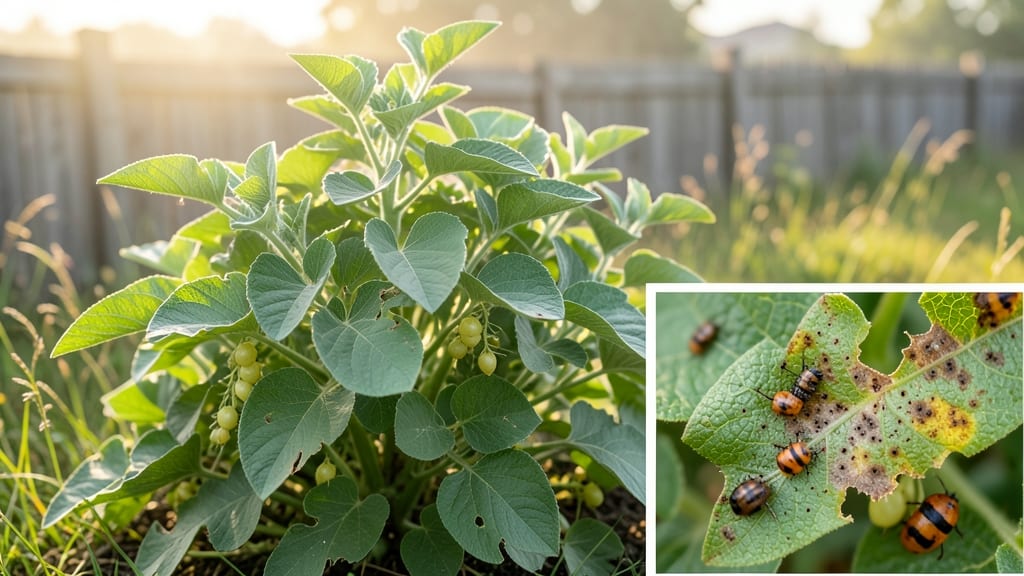
Holes in potato plant leaves mean your harvest could be at risk if you don’t act fast. 🌱 I’ve seen entire rows of potatoes turn into Swiss cheese overnight—until I learned the telltale signs of flea beetles, slugs, and even fungal issues.
The good news? Most damage is fixable with the right approach, and your tubers can still thrive if you catch it early.
Flea beetles leave tiny, shot-like holes, while slugs create larger, irregular tears along leaf edges. Fungal blight shows up as brown, water-soaked spots that spread fast. The key is acting before the damage spreads to the stems or tubers themselves.
I’ve tested organic sprays, row covers, and even homemade barriers—here’s what actually works without harming your soil or future harvests.
You’ll walk away with a foolproof plan to stop the damage in its tracks, from quick fixes like diatomaceous earth to long-term strategies like companion planting. The goal? Lush, hole-free foliage that keeps producing potatoes until the first frost. No more guessing—just results that protect your garden’s hard work.
Whether you’re dealing with a single plant or an entire bed, these solutions scale easily. The best part? Healthy leaves mean bigger, firmer potatoes come harvest time. Let’s get those plants back on track before the damage gets worse.
Root Causes of Leaf Damage
Understanding why your potato plants develop holes in their leaves is the first step toward preventing future damage. These issues often stem from a mix of environmental stress, pests, and diseases—each leaving distinct clues.
Below, we break down the key culprits behind leaf holes, so you can identify the problem and act fast.
Potato leaves are a buffet for many insects, and their feeding habits often leave behind telltale holes. Here’s how to spot the likely suspects:
- 🐞 Colorado Potato Beetles These striped orange-and-black beetles are notorious for skeletonizing leaves—eating the soft tissue while leaving the veins intact. Larvae (small, spiny grubs) do the most damage by devouring entire leaf surfaces in clusters.
Look for: - Jagged, irregular holes (especially on upper leaves). - Clusters of orange eggs on the undersides of leaves. - Adult beetles hiding under foliage during the day.
- 🐛 Flea Beetles Tiny (1/16-inch), jumping black beetles with shiny exoskeels, flea beetles create shotgun-like holes—small, round punctures along leaf edges. They’re most active in hot, dry weather and target young plants.
Signs include: - Scattered tiny holes (like pepper spray damage). - Wilting or stunted growth in severe cases. - Beetles fleeing when leaves are shaken.
- 🐛 Slugs & Snails While they don’t create holes in the traditional sense, these mollusks chew large, irregular notches along leaf margins, often at night.
Look for: - Silvery slime trails on leaves or soil. - Ragged, uneven edges (not clean holes). - Damage concentrated near moisture-rich areas (e.g., mulch, irrigation spots).
💡 Pro Tip: Inspect leaves early morning or evening when pests are most active. Use a flashlight to spot eggs or tiny beetles hiding under leaves.
Not all leaf damage comes from living creatures—sometimes, the environment itself weakens your plants, making them vulnerable to secondary issues. Here’s how:
- 🔥 Heat & Drought Stress Potatoes thrive in moderate temperatures (60–75°F).
When heat spikes or drought sets in, leaves may develop: - Brown, crispy edges (from dehydration). - Small, scattered holes as cells collapse under stress (often mistaken for pest damage). - Premature wilting, even with moist soil. Actionable fix: Mulch heavily to retain moisture and water deeply at the base (avoid wetting leaves to prevent disease).
- 🌬️ Wind & Hail Damage Strong winds or hail can physically tear leaves, creating irregular holes or shredded edges.
Unlike pest damage: - Holes are random and uneven (no feeding patterns). - Entire plants may show damage, not just isolated leaves. Actionable fix: Use windbreaks or row covers during storms. Prune plants to reduce wind exposure.
- 💧 Overwatering & Poor Drainage Soggy soil leads to root rot, which starves leaves of nutrients and weakens their structure.
Signs include: - Yellowing leaves paired with holes (from weakened tissue). - Mushy stems at the base. - Foul-smelling soil. Actionable fix: Ensure well-draining soil (amend with compost or perlite) and avoid waterlogging.
Some leaf holes aren’t caused by chewing—they’re the result of pathogens breaking down plant tissue. These often start as small spots that expand into larger lesions.
- 🍄 Early Blight (Alternaria solani) A common potato disease that begins with small, brown spots with concentric rings (like a bullseye).
As it progresses: - Spots develop yellow halos and tiny black fruiting bodies (fungal spores). - Leaves may drop prematurely, exposing tubers to sunlight (greening). Actionable fix: Rotate crops annually and apply copper fungicide at first signs.
- 🍄 Late Blight (Phytophthora infestans) More aggressive than early blight, this disease creates greasy, dark brown lesions that spread rapidly in cool, humid conditions.
Key differences: - Lesions often have white, fuzzy mold on the undersides. - Stems may rot and collapse. Actionable fix: Remove infected plants immediately and use resistant varieties (e.g., ‘Yukon Gold’).
- 🦠 Bacterial Leaf Spot (Pseudomonas spp.) Causes water-soaked spots that turn yellow or brown with a ragged, hole-like appearance. Unlike fungal spots:
- Lesions are
- Bacteria ooze when squeezed. Actionable fix: Sterilize tools between plants and avoid overhead watering.
Lack of key nutrients weakens leaves, making them more susceptible to tearing or pest attacks. Watch for these signs:
- 💚 Magnesium Deficiency (Interveinal Chlorosis) Leaves develop yellow patches between veins, which can crust over and tear easily, mimicking holes. Common in:
- Compacted or acidic soils (pH < 5.5).
- Over-fertilization with nitrogen (burns roots). Actionable fix: Apply Epsom salt (magnesium sulfate) or wood ash to raise pH.
- 🌱 Potassium Deficiency Leaves may show brown, dead spots (especially at tips) that can fall out, creating hole-like gaps. Potassium helps regulate:
- Water balance (prevents stress-related damage).
- Disease resistance. Actionable fix: Use a balanced fertilizer (5-10-10) or potassium-rich compost.
Not sure what’s causing the holes? Use this visual guide to narrow it down:
| Symptom | Likely Cause | Key Clue |
|---|---|---|
| Irregular, jagged holes | Slugs/snails | Slime trails, nighttime damage |
| Tiny, round punctures | Flea beetles | Jumping beetles, early season |
| Skeletonized leaves | Colorado potato beetles | Orange eggs, striped adults |
| Bullseye spots | Early blight | Black fruiting bodies |
| Greasy, spreading lesions | Late blight | White mold, humid weather |
| Yellow between veins | Magnesium deficiency | Crusty edges, acidic soil |
| Brown, dead tips | Potassium deficiency | Weak stems, poor growth |
Fixing Leaf Damage Fast
Discovering holes in your potato plant leaves can be frustrating, but the good news is that most issues have straightforward fixes. The key is identifying the cause first—whether it’s pests, disease, or environmental stress—and then applying the right solution.
Below, we’ve mapped out practical steps to treat the problem and prevent future damage, so you can keep your potato plants thriving and ready for harvest.
If tiny holes, chewed edges, or silvery trails are the culprits, pests are likely to blame. Here’s how to tackle them:
🔥 Identify the Pest
First, inspect the damage closely:
- Small, irregular holes? Likely leafhoppers or fleabeetles.
- Chewed edges or skeletonized leaves? Caterpillars (like Colorado potato beetle larvae) or slugs are probably the offenders.
- Silvery trails or sticky residue? Aphids or spider mites may be sucking sap.
🍳 Natural Remedies to Remove Them
- Handpick or Shake Off Pests
- Early in the morning, gently shake plants over a bucket of soapy water to dislodge pests like beetles or caterpillars.
- Wear gloves and remove large pests by hand (especially Colorado potato beetles—squish them!).
- Neem Oil Spray (🌿 Non-Toxic)
- Mix 1 tsp neem oil + 1 tsp mild soap + 1 quart water in a spray bottle.
- Spray undersides of leaves (where pests hide) in the evening to avoid harming bees.
- Reapply every 5–7 days until pests disappear.
- Diatomaceous Earth (💀 For Crawling Pests)
- Sprinkle food-grade diatomaceous earth around the base of plants and on leaf surfaces.
- Works by dehydrating soft-bodied pests like slugs, aphids, and mites.
- Reapply after rain—it loses effectiveness when wet.
- Row Covers (🛡️ Physical Barrier)
- Use floating row covers to block adult beetles and moths from laying eggs.
- Secure edges tightly to prevent pests from crawling underneath.
💡 Prevention Tips
- Rotate crops annually to disrupt pest life cycles.
- Plant trap crops like marigolds or nasturtiums to lure pests away.
- Encourage beneficial insects (ladybugs, lacewings) by planting dill or fennel nearby.
If holes are accompanied by brown, mushy spots, yellowing, or wilting, blight (like early or late blight) could be the issue. Act fast to save your crop!
👨🍳 Immediate Treatment Steps
- Prune Infected Leaves
- Cut off damaged foliage with clean, sharp shears and dispose of it in the trash (not compost).
- Avoid wetting healthy leaves when watering to prevent spores from spreading.
- Copper Fungicide Spray (🛡️ Chemical-Free Option)
- Use a copper-based fungicide (like copper sulfate or Bordeaux mixture) every 7–10 days.
- Follow label instructions—overuse can harm soil microbes.
- Baking Soda Solution (🧂 For Mild Cases)
- Mix 1 tbsp baking soda + 1 tsp oil + 1 quart water in a spray bottle.
- Spray both sides of leaves in the morning for a preventative boost.
- Improve Airflow
- Space plants 12–18 inches apart to reduce humidity, which fungal spores thrive in.
- Avoid overhead watering—use drip irrigation instead.
🌡️ Prevention for Future Seasons
- Choose resistant varieties (e.g., ‘Red Pontiac’ or ‘Kennebec’ for blight resistance).
- Rotate crops—don’t plant potatoes in the same spot for 3+ years.
- Solarize soil in late summer by covering beds with clear plastic for 4–6 weeks to kill pathogens.
Holes from hail, wind, or sunscald don’t require pesticides but still need attention to help plants recover.
🔪 Quick Recovery Steps
- Shade Damaged Plants
- Use shade cloth (30–50%) if leaves are scorched from too much sun.
- Move potted potatoes to a sheltered spot if possible.
- Water Deeply (But Less Often)
- 1 inch of water per week (deep soak 2x/week) encourages strong root growth.
- Avoid wetting leaves to prevent secondary infections.
- Mulch Heavily
- Apply 4–6 inches of straw or grass clippings to retain moisture and protect roots from temperature swings.
✨ Long-Term Protection
- Stake or cage plants if your area gets strong winds.
- Harvest early if damage is severe—smaller potatoes are less affected by stress.
With these targeted fixes, your potato plants should bounce back stronger. The key is acting quickly and combining treatment with prevention. Before you know it, you’ll be digging up plump, healthy potatoes instead of battling leaf damage! 🥔💪
Frequently asked questions
Why do potato leaves get holes even when I haven’t seen any pests?
Holes can appear from hidden pests like flea beetles (tiny jumping insects) or even environmental stress. Flea beetles create shotgun-like punctures while heat or drought can cause cells to collapse, creating small holes. Check leaf undersides with a flashlight at dawn—pests often hide there.
Can I still harvest potatoes if the leaves have holes?
Yes, but focus on tubers below the soil where pests/diseases can’t reach. If holes are from pests, harvest young potatoes (new potatoes) first—they’re less affected. For fungal issues, remove all foliage 2 weeks before harvest to prevent greening (toxic solanine buildup).
What’s the fastest way to stop slug damage at night?
Set out beer traps (fill shallow dishes with beer) or use copper tape around plant bases—slugs avoid copper. For immediate relief, sprinkle diatomaceous earth around plants (reapply after rain). Check traps in the morning to remove slugs.
Will neem oil harm my potato plants if I use it too often?
Neem oil is safe when used correctly, but apply it every 5–7 days max. Avoid spraying in direct sunlight (can cause leaf burn) or when bees are active. For heavy infestations, alternate with soapy water sprays (1 tsp mild soap per quart of water).
How do I know if my potato holes are from disease vs. pests?
Disease holes usually start as brown spots with yellow halos (early blight) or greasy lesions (late blight), while pest holes are clean-cut. Check for: black fruiting bodies (fungus), slime trails (slugs), or tiny jumping beetles (flea beetles).