
Planting
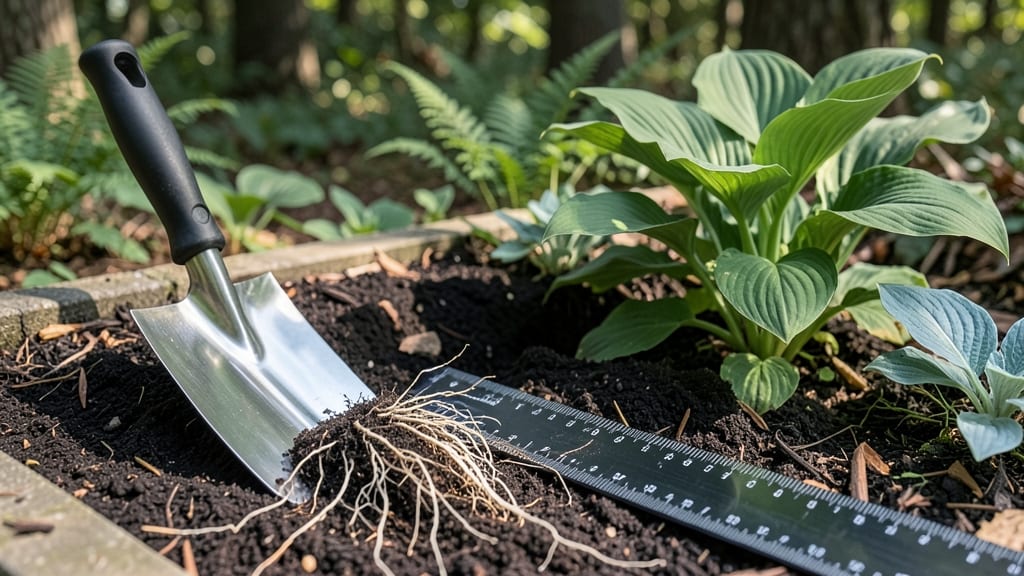
How deep do hosta roots grow? They often extend far deeper than you might expect, typically spreading 12 to 18 inches below the soil surface 🌿 — and sometimes even deeper for mature plants.
If you’ve ever wondered why your hostas keep spreading beyond their pots or why some varieties seem to take over your garden faster than others, the answer lies beneath the soil—where their roots grow deeper and wider than most gardeners realize.
Understanding how deep hosta roots go isn’t just about planting correctly; it’s the key to keeping them healthy and managing their spread. Too shallow, and you risk stunted growth or flopping foliage. Too deep, and you may suffocate the crown.
In this guide, I’ll break down how root depth varies by variety, what factors influence it, and the best planting techniques to ensure your hostas thrive—without taking over your garden.

Hosta root depth by variety: how far down they spread underground
Understanding hosta root depth is key to planting these shade-loving perennials correctly.
While most gardeners focus on foliage, the root system determines how aggressively your hostas spread—and whether they thrive or struggle. Hosta roots typically spread 12-24 inches wide but vary dramatically by variety, with some reaching 18+ inches deep in loose, fertile soil.
Shallow-rooted varieties like Hosta lancifolia stay compact, making them ideal for containers or small gardens. Meanwhile, deep-rooted giants like Hosta sieboldiana can send roots 2 feet or more downward, anchoring themselves firmly in the soil. This difference affects everything from planting depth to watering needs and even soil aeration.
Soil type plays a huge role—clay-heavy soils restrict root growth, forcing hostas to spread wider rather than deeper. In sandy or loamy soil, roots explore both horizontally and vertically, which is why your Hosta plantaginea might suddenly appear in unexpected spots!
Proper soil preparation with compost can encourage healthier, deeper root systems.
Here’s a quick breakdown of how root depth varies across popular hosta varieties, including their underground habits and care implications:
| Variety | Root Depth (inches) | Spread Width (inches) | Soil Preference | Care Tip |
|---|---|---|---|---|
| Hosta sieboldiana | 18-24+ | 36+ | Rich, moist, well-draining | Plant deep; mulch heavily |
| Hosta lancifolia | 6-12 | 12-18 | Moderate, tolerates clay | Ideal for containers |
| Hosta plantaginea | 12-18 | 24-36 | Moist, humus-rich | Divide every 3-4 years |
| Hosta 'Francee' | 8-12 | 12-24 | Well-draining, fertile | Stake for support |
| Hosta 'Blue Angel' | 10-15 | 20-30 | Moist, slightly acidic | Avoid waterlogging |
If you’re planting Hosta sieboldiana, the deep-rooted giant, dig a hole twice as wide as its root ball and 1-2 inches deeper than the crown. This variety’s roots can reach 2 feet down, so amending the soil with compost to a depth of 12 inches encourages stronger growth.
For shallow-rooted varieties like Hosta lancifolia, a 6-inch-deep planting hole suffices, but ensure the soil stays consistently moist.
One common mistake is planting hostas too shallow, which exposes the crown to temperature swings and rot. Always bury the crown 1-2 inches below soil level, regardless of variety. This simple step prevents flopping foliage and encourages deeper root establishment.
For aggressive spreaders, consider installing root barriers (like buried plastic or metal edges) to contain their growth without harming the plant.
Soil moisture also influences root depth—dry conditions force roots to grow wider in search of water, while consistently moist soil allows deeper exploration. Mulching with 3-4 inches of organic matter (like shredded leaves or bark) helps retain moisture and insulates roots during temperature extremes.
This is especially critical for Hosta plantaginea, which thrives in humid, shaded conditions but struggles in drought.
For gardeners in USDA Zones 3-8, where hostas are most commonly grown, winter hardiness ties into root depth. Deeper roots insulate the plant better, helping it survive freezing temperatures.
In colder climates, add an extra 2 inches of mulch in late fall to protect shallow-rooted varieties like Hosta 'Francee' from heaving during freeze-thaw cycles.
Pro tip: If you’re dividing hostas, focus on the root crown rather than the top growth. Cut through thick roots with a sharp spade, ensuring each division has 3-5 healthy shoots and a portion of the root system.
Replant divisions at the same depth they were growing, and water deeply to encourage root regrowth.
Now that you know how deep hosta roots grow—and how they behave underground—you can choose varieties that fit your space and soil.
Whether you’re dealing with a shallow-rooted compact hosta or a deep-spreading giant, proper planting depth and soil care will keep your plants happy for years to come. 🌿
How to manage Hosta root spread: pruning, dividing, and barrier techniques
Hostas are prized for their stunning foliage, but their aggressive root systems can quickly overwhelm garden spaces. Understanding how to manage their underground spread is key to keeping them contained while maintaining their health.
The good news? With the right pruning techniques, division strategies, and root barriers, you can tame even the most sprawling varieties without sacrificing their beauty.
Most hosta roots spread horizontally rather than vertically, creating dense underground networks that can reach 12-18 inches deep and 2-3 feet wide in mature plants. This means they thrive in shallow but expansive root zones, which is why they often escape containers and crowd neighboring plants.
The challenge is balancing their natural growth habits with your garden’s layout—especially in small spaces or container gardens.
When dividing hostas, aim to separate clumps into 3-5 inch sections, each with 3-5 healthy leaves and a portion of the root system. This ensures the new plants establish quickly while reducing stress on the parent plant.
For container hostas, divide every 2-3 years to prevent root-bound conditions, which stunt growth and invite pests.
Root barriers are a game-changer for border gardens or landscape beds. Bury them vertically around the hosta’s perimeter, extending 6-12 inches beyond the current root zone.
Pair barriers with mulch (2-3 inches of shredded bark) to suppress weed competition and retain moisture, which encourages roots to grow upward rather than outward.
If your hostas are already spreading uncontrollably, consider selective pruning in late summer. Trim back overlapping foliage and aggressive runners to redirect energy into the main clump.
This method works best for variegated hostas, where maintaining leaf color is a priority. Always use clean, sharp tools to avoid tearing leaves or spreading disease.
For small-space gardening, opt for dwarf or semi-dwarf varieties like Hosta 'Halcyon' or Hosta 'Guacamole'. These stay under 12 inches tall and 18 inches wide, making them ideal for window boxes or patio containers.
Pair them with shallow-rooted companions like heuchera or ferns to create a harmonious, low-maintenance design.
Remember, hostas reward patience. With regular division, strategic pruning, and root management, you can enjoy their lush foliage without sacrificing garden control. Start small, observe how your specific varieties grow, and adjust your techniques accordingly—your hostas (and your neighbors!) will thank you. 🌿✂️🪴