
Planting
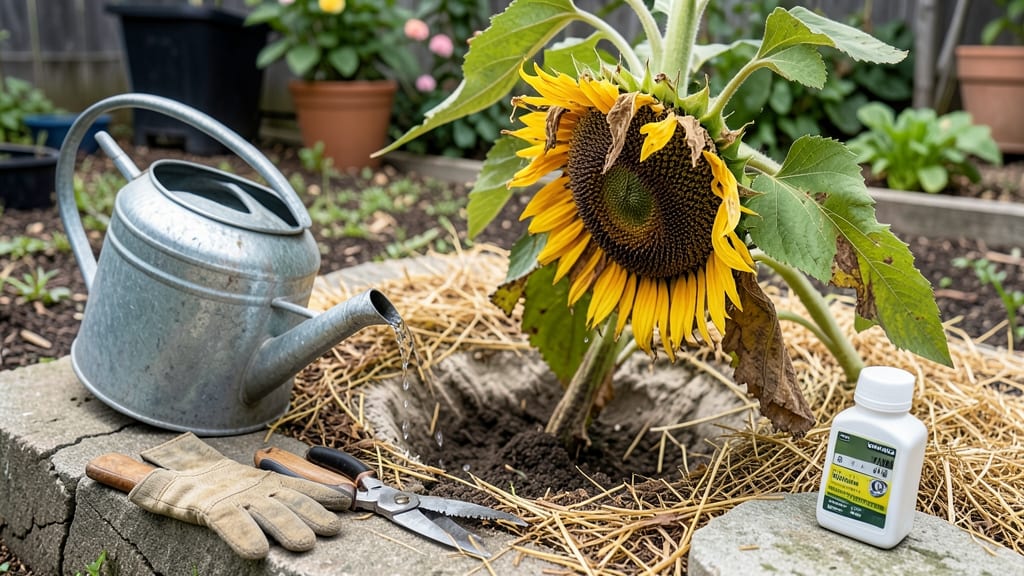
How to revive a dying sunflower plant—it’s easier than you think, and your sunflowers aren’t beyond saving. 🌻 I’ve nursed back more sunflowers than I’d like to admit, and the secret is in the details: checking the soil, spotting the early warning signs, and acting fast. What looks like a lost cause can bounce back with the right care.
Most problems start with water—either too much or too little. Drooping leaves? That’s usually underwatering, but yellowing stems mean you’re overdoing it. Pests like aphids or powdery mildew can also sneak in when plants are weak.
The good news? These fixes take 10 minutes and often show results within 2-3 days.
You’ll end up with a plant that’s sturdy, green, and reaching for the sky again. The key is consistency: check the soil daily, trim damaged leaves, and give it space to recover. With the right approach, your sunflower will be taller than your fence in no time.
Works for any sunflower variety, whether it’s a towering giant or a cute dwarf. Here’s how to diagnose and fix it—no green thumb required.
Root Causes of Sunflower Decline
Sunflowers are resilient giants, but even they can succumb to stress when conditions turn against them. Understanding the why behind your sunflower’s decline is the first step to bringing it back to life.
Let’s break down the most common culprits—from hidden soil issues to environmental factors—and why they’re sabotaging your plant’s health.
Sunflowers thrive on consistency, but too much water can drown their roots faster than you’d think. Here’s the science: - Root Rot (Fusarium or Pythium): When soil stays soggy, oxygen is cut off, and anaerobic bacteria thrive.
These microbes release toxins that strangle root cells, turning them mushy and black. A dying sunflower with yellowing leaves and a wobbly stem? That’s often root rot in action. - Waterlogged Soil: Clay-heavy or compacted soil traps moisture like a sponge.
Sunflowers need well-draining soil—if water pools around the base or sits for more than a day, roots suffocate. - Overhead Watering: Wet foliage encourages powdery mildew (a fungal infection), which weakens the plant and blocks sunlight.
This is why many gardeners see white, dusty patches on leaves—it’s not just cosmetic; it’s a stress signal.
Actionable Insight: Stick your finger 2 inches into the soil—if it’s damp, wait. Sunflowers prefer 1–1.5 inches of water per week, delivered at the base, not the leaves.
Sunflowers are sun-worshippers, but extreme heat or drought sends them into survival mode. Here’s how it plays out: - Wilting Stems: When soil dries out, the plant can’t pull up enough water, causing leaves to droop.
Unlike overwatering, underwatering wilts start at the edges and move inward. - Heat Shock: Temperatures above 90°F (32°C) for prolonged periods cause transpiration stress.
The plant loses water faster than roots can replace it, leading to leaf scorch (brown, crispy edges). - Shallow Root Systems: Young sunflowers have limited root depth (only 6–12 inches deep in the first month). If the topsoil dries out, they can’t reach moisture, even if water exists below.
Actionable Insight: Mulch with straw or wood chips to retain moisture and protect roots. Water deeply 2–3 times a week rather than daily shallow watering.
Sunflowers are heavy feeders, and poor soil is like serving them a salad when they crave a steak. Common deficiencies include: - Nitrogen (N) Deficiency: Leaves turn yellow (chlorosis) starting from the bottom. This happens when soil lacks organic matter or has been over-farmed.
Sunflowers need nitrogen for leafy growth—without it, they prioritize survival over blooms. - Potassium (K) Deficiency: Weak stems, yellowing leaf edges, and poor disease resistance.
Potassium helps regulate water and nutrient transport—if levels drop, the plant struggles to recover from stress. - Phosphorus (P) Deficiency: Dark green leaves with purple stems? That’s a cry for phosphorus, which fuels root and flower development. Compacted or sandy soils often lack this critical nutrient.
Actionable Insight: Test your soil (a $20 kit from a garden center does the trick). Amend with compost, bone meal (for P), or a balanced 10-10-10 fertilizer if deficiencies are found.
A stressed sunflower is a buffet for pests and pathogens. Here’s what’s likely feasting on your plant: - Aphids & Spider Mites: These sap-suckers inject toxins that cause leaves to curl and yellow.
They thrive in dry, dusty conditions—check the undersides of leaves for sticky residue (aphid honeydew) or fine webbing (mites). - Cutworms: Young sunflowers are decimated overnight by these caterpillars, which gnaw stems at soil level.
You’ll find chewed stems or frass (poop) around the base. - Fungal Infections (Rust or Blight): Dark spots or orange pustules on leaves? That’s rust fungus, spread by spores in humid conditions. Alternaria leaf spot causes target-like brown lesions and is common in wet summers.
Actionable Insight: Spray with neem oil (natural pesticide/fungicide) or introduce beneficial nematodes for soil-dwelling pests. Remove infected leaves immediately to prevent spread.
Sunflowers aren’t just picky—they’re sensitive to their surroundings. Common triggers include: - Transplant Shock: If you moved a sunflower from a seedling tray to the ground, its roots may have trauma from disturbance.
The plant diverts energy to regrowing roots instead of leaves or flowers. - Wind or Hail Damage: Sunflowers have thin, brittle stems—a strong gust or hailstorm can crush leaves or snap stems, leaving the plant vulnerable to infection. - Competition for Resources: Weeds or nearby plants steal water and nutrients.
Sunflowers need 6–12 inches of space per plant—crowding leads to stunted growth and yellowing.
Actionable Insight: After transplanting, water deeply to reduce shock. Use stakes or cages to support stems in windy areas, and mulch heavily to suppress weeds.
When assessing your sunflower, ask:
- Are the leaves yellowing from the bottom up? → Likely overwatering or nitrogen deficiency.
- Are leaves crispy and wilting? → Underwatering or heat stress.
- Are stems soft, mushy, or discolored? → Root rot or fungal infection.
- Are there holes, chew marks, or webbing? → Pests are the culprit.
Most dying sunflowers are suffering from a combo of these issues—but pinpointing the primary stressor lets you target fixes like a pro.
Quick Fixes for Sunflower’s Struggle
Sunflowers may look tough, but even they need a little TLC to bounce back from wilting, yellowing, or stunted growth. The good news? Most issues have simple, fast solutions—no green thumb required. Below, we’ll match common problems to their fixes, plus pro tips to keep your sunflowers thriving long-term.
Signs: Yellowing leaves, mushy stems, or soil that smells sour. Why it happens: Sunflowers hate soggy roots. Too much water cuts off oxygen, inviting rot and fungal diseases.
How to Fix It: 🔥 Step 1: Pause Watering Immediately Stop adding water for 2–3 days to let the soil dry out. If the pot has drainage holes, tip it sideways to let excess water escape.
🍳 Step 2: Check the Soil Dig your finger 1–2 inches into the soil. If it’s damp, wait another day. If it’s bone-dry, water deeply but only when the top inch feels dry.
👨🍳 Step 3: Improve Drainage
- Potted plants: Add a layer of perlite or coarse sand to the bottom of the pot before repotting.
- Garden beds: Mix in compost or sand to loosen heavy soil. Avoid planting in low spots where water pools.
🥘 Step 4: Repot if Needed If roots are rotting (black, slimy, or falling apart), trim the bad sections with sterilized scissors, then repot in fresh, well-draining soil.
Prevent It: ✨ Water wisely: Sunflowers need 1–1.5 inches of water per week (more in extreme heat). Use a moisture meter or the finger test. 💡 Pro tip: Water at the base, not overhead, to keep leaves dry and prevent fungal issues.
Signs: Drooping leaves, crispy edges, or soil pulling away from the pot. Why it happens: Sunflowers are drought-tolerant but still need consistent moisture, especially when flowering.
How to Fix It: 🔥 Step 1: Deep Watering Give your plant a slow, thorough soak—water until it drains from the bottom. Repeat every 2–3 days until fully recovered.
🍳 Step 2: Mulch Like a Pro Spread 2–3 inches of mulch (straw, wood chips, or shredded leaves) around the base to lock in moisture and cool roots.
👨🍳 Step 3: Adjust Your Schedule
- Pots: Water daily in hot weather; every other day in cooler temps.
- Garden beds: Water early morning or late evening to reduce evaporation.
🥘 Step 4: Trim Damaged Leaves Snip off any crispy or brown leaves to redirect energy to healthy growth.
Prevent It: 🌡️ Monitor weather: Increase watering during heatwaves or dry spells. 🎯 Group plants: Cluster sunflowers together to create a microclimate that retains moisture.
Signs: Bent stems, torn leaves, or flowers leaning dramatically. Why it happens: Sunflowers are top-heavy and can snap in strong winds or from curious pets/kids.
How to Fix It: 🔥 Step 1: Stake for Support Insert a bamboo stake or tomato cage next to the plant and gently tie the stem with a soft cloth or plant tie (avoid wire—it cuts!). For tall sunflowers, add a second stake halfway up.
🍳 Step 2: Prune Damaged Foliage Trim any broken leaves or stems with clean scissors. This helps the plant focus energy on recovery.
👨🍳 Step 3: Shield from Wind If your garden is windy, plant sunflowers near a fence, wall, or other tall plants to act as a windbreak.
🥘 Step 4: Reinforce Weak Stems For severely bent stems, use a small hoop or wire arch to gently guide the plant upright as it grows.
Prevent It: ✨ Choose the right spot: Plant in a sheltered area or use wind-resistant varieties like ‘Moulin Rouge’ or ‘Russian Giant.’ 💡 Pro tip: If staking isn’t an option, weave a trellis made of twigs or branches for natural support.
Signs: Holes in leaves, chewed stems, black spots, or sticky residue (sap). Why it happens: Aphids, spider mites, or fungal diseases like powdery mildew love sunflowers—and they spread fast.
How to Fix It: 🔥 Step 1: Identify the Culprit
- Pests: Check undersides of leaves for tiny bugs (aphids, beetles) or webs (spider mites).
- Fungus: Look for white powder (mildew) or dark spots (rust).
🍳 Step 2: Manual Removal (For Pests)
- Aphids: Spray off with a strong stream of water or wipe leaves with soapy water (1 tsp mild soap per quart of water).
- Beetles: Pick them off by hand and drop them in soapy water.
- Caterpillars: Remove by hand or use Bt (Bacillus thuringiensis), a natural bacteria spray.
👨🍳 Step 3: Treat Fungal Issues
- Powdery mildew: Spray with a baking soda mix (1 tsp baking soda + 1 quart water + a drop of dish soap). Reapply weekly.
- Rust: Remove infected leaves and apply neem oil (follow package instructions).
🥘 Step 4: Strengthen the Plant After treating, fertilize lightly with a balanced 10-10-10 or compost tea to boost immunity.
Prevent It: 🌡️ Prevent pests: Plant marigolds or basil nearby—they repel bugs! 🎯 Improve airflow: Space plants 12–18 inches apart to reduce humidity (which fuels fungus).
Signs: Pale yellow leaves (chlorosis), stunted growth, or weak stems. Why it happens: Sunflowers are heavy feeders and deplete soil quickly, especially in poor or sandy soil.
How to Fix It: 🔥 Step 1: Test Your Soil Use a DIY soil test kit (available at garden centers) to check pH and nutrient levels. Sunflowers prefer slightly acidic to neutral soil (pH 6.0–7.5).
🍳 Step 2: Feed the Right Way
- Quick fix: Sprinkle granular 10-10-10 fertilizer around the base and water deeply.
- Organic option: Mix in compost or worm castings for slow-release nutrients.
👨🍳 Step 3: Target-Specific Deficiencies
| Symptom | Likely Cause | Fix It With |
|---|---|---|
| Yellow lower leaves | Nitrogen deficiency | Coffee grounds or blood meal |
| Purple stems/leaves | Phosphorus deficiency | Bone meal or rock phosphate |
| Weak, rubbery growth | Potassium deficiency | Banana peels (composted) or wood ash |
| Small, pale leaves | Magnesium deficiency | Epsom salt (1 tbsp per gallon of water) |
🥘 Step 4: Avoid Over-Fertilizing Too much fertilizer burns roots. Follow package instructions and water well after applying.
Prevent It: ✨ Feed before planting: Mix compost or aged manure into the soil 2–3 weeks before sowing seeds. 💡 Pro tip: Sunflowers don’t need fertilizer after flowering—focus on water and support instead.
Final Note: Most sunflowers recover surprisingly fast with the right care! Monitor your plant daily, adjust as needed, and soon you’ll be admiring those golden blooms reaching for the sky. 🌻✨
Frequently asked questions
Why are my sunflower leaves turning yellow from the bottom up?
This is usually a sign of overwatering or nitrogen deficiency. Check if the soil stays damp for more than a day—sunflowers need well-draining soil. If the soil is waterlogged, pause watering for 2-3 days and improve drainage. For nitrogen deficiency, add compost or a balanced fertilizer.
Can I save a sunflower with mushy, black stems?
Mushy black stems indicate root rot, which is serious but not always fatal. Trim away the rotted sections with sterilized scissors, then repot in fresh, well-draining soil. Reduce watering immediately and ensure the pot has drainage holes. Recovery may take 1-2 weeks if caught early.
How often should I water a dying sunflower?
Sunflowers need 1-1.5 inches of water per week, but adjust based on soil type. For recovery, water deeply every 2-3 days until the soil is moist but not soggy. Use the finger test—stick your finger 2 inches into the soil; if dry, it's time to water. Mulching helps retain moisture.
What's the fastest way to fix wilting sunflower leaves?
For quick revival, give your sunflower a deep watering at the base (not leaves) and trim any crispy edges. Place it in a shady spot for 1-2 days to reduce stress, then move back to full sun. Avoid fertilizing during recovery—focus on water and airflow first.
Will my sunflower bloom again if it's already dying?
If the plant is severely damaged (black stems, no leaves), it likely won't recover enough to bloom. However, if you've caught it early (just wilting or yellowing), proper care can restore health and encourage future blooms. Focus on roots and leaves first—flowers come later!