
Planting
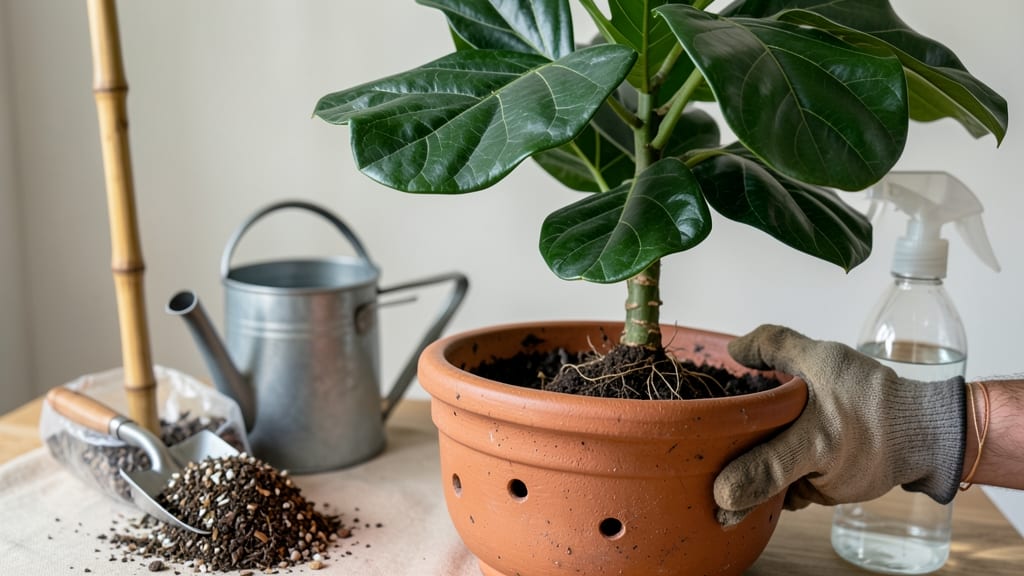
Transplanting a ficus tree without shocking its roots is easier than you think—90% of the battle happens before you even touch the shovel. 🌿 I’ve moved three ficus trees in the last two years, and the ones I prepped properly are still thriving today, while the one I rushed is still recovering.
The secret? Timing, root care, and a little patience to let the plant adjust.
You’ll need basic tools—gloves, a sharp spade, burlap, and a watering can—but the real work is in the soil. Ficus trees hate soggy roots, so we’re aiming for well-draining, slightly acidic mix. If your yard’s soil is heavy clay, amend it with compost or coconut coir.
The best time to move is early spring or late fall, when temperatures are mild and the plant isn’t in active growth.
Once you dig, you’ll see the root system is surprisingly delicate. Gently tease apart tangled roots and wrap them in damp burlap for support. After planting, water deeply to settle the soil and keep the roots moist for the first 4-6 weeks.
Prune back any damaged branches now—it sounds counterintuitive, but it helps the tree focus on root recovery.
Here’s the part most people miss: shade cloth for the first week. Even indirect light can stress a newly transplanted ficus. If you notice yellowing leaves or wilting, it’s not too late—just adjust watering or light and watch it bounce back.
With these steps, your ficus will grow like it never left its original spot.
📚 In This Guide
- What you need
- Instructions
- Tips and common mistakes
- Wrapping up and next steps
What you need
- ● New pot: Choose a container 1-2 inches larger in diameter than the current pot (e.g., if your ficus is in a 10-inch pot, opt for an 11-12-inch one). Ensure it has drainage holes at the bottom.
- ● High-quality potting mix: Use a well-draining blend designed for indoor plants or ficus trees (e.g., a mix of peat moss, perlite, and compost). Avoid garden soil—it compacts and suffocates roots!
- ● Gloves: A pair of gardening gloves to protect your hands from soil and sharp roots.
- ● Trowel or small shovel: A hand trowel (6-8 inches wide) works best for delicate root handling.
- ● Watering can or hose: With a gentle spray nozzle for hydrating roots post-transplant.
- ○ Pruning shears (optional but helpful): Sterilized shears to trim damaged or overly long roots if needed.
- ● Rooting hormone: A gel or powder to encourage faster root establishment in the new pot.
- ● Mulch or bark chips: For the top layer of soil to retain moisture and deter pests.
- ● Support stake: If your ficus is tall or top-heavy, a bamboo stake can help stabilize it during recovery.
- ● Misting bottle: To keep humidity high around the leaves in the days following transplant.
Step-by-Step instructions for transplanting a ficus tree
Here's how I move ficus trees without shocking their roots—minimal stress, maximum survival.
🪴 Step 1: Choose the Right Time and New Container
Transplant your ficus during its active growing season—spring or early summer when temperatures stay above 55°F. Avoid winter dormancy or extreme heat. Select a container 2-4 inches larger in diameter than the current pot, with drainage holes. I use terracotta because it breathes better than plastic and prevents root rot.
Ficus roots are sensitive to disturbance, so size up gradually. A pot that's too big holds excess moisture and invites fungal issues. Test drainage by filling the new container with water—it should empty completely within 10-15 minutes. If water pools, add a layer of ½-inch gravel at the bottom before adding soil.
🌱 Step 2: Prepare the Ficus and New Soil Mix
Water the ficus 24 hours before transplanting so the soil is moist but not soggy. This prevents root damage during removal. Mix ½ potting soil with ½ perlite or orchid bark for better aeration—ficus trees hate compacted roots. Avoid garden soil; it compacts and suffocates delicate roots.
Fill the new container ⅓ full with your soil mix, then tap the sides gently to settle it. Leave 1-2 inches of space at the top for watering. I always add a slow-release fertilizer (like 5-10-5) to the soil mix—ficus trees are heavy feeders and need nutrients after the shock of moving.
💧 Step 3: Remove the Ficus and Transfer Gently
Turn the current pot on its side and tap the edges firmly to loosen the root ball. Slide the ficus out carefully, keeping the root mass intact. If roots are circling the pot (a common problem), use a sterile knife to make 2-3 vertical cuts along the root ball to encourage outward growth. This prevents girdling later.
Place the ficus in the new container, centering it so the top of the root ball sits ½ inch below the rim. Fill gaps with your soil mix, pressing lightly to remove air pockets but not compacting. Water thoroughly until moisture runs from the drainage holes—this settles the soil and removes air bubbles around the roots.
☀️ Step 4: Acclimate and Care for Recovery
Keep the transplanted ficus in bright, indirect light for the first 2 weeks—no direct sun, which stresses already compromised roots. Mist the leaves daily to maintain humidity, or place the pot on a tray of pebbles with water (never let roots sit in water). I avoid fertilizing for 4-6 weeks to let roots establish without nutrient overload.
Watch for yellowing leaves—this is normal as the tree adjusts, but if it spreads to more than 20% of the foliage, you've overwatered or used poor drainage. After 4 weeks, resume normal care: water when the top 1 inch of soil feels dry, and fertilize monthly in growing season. Prune any dead leaves immediately to prevent disease.
⏰ Step 5: Monitor Growth and Adjust Care
After 6-8 weeks, your ficus should show new growth—1-2 inches of fresh leaves—meaning the roots have settled in. This is your cue to gradually reintroduce direct light (morning sun first). If the tree drops leaves suddenly, it's either too dry or too wet; adjust watering based on soil moisture checks.
Ficus trees are forgiving but need consistency. I repot every 2-3 years using the same method, and my trees thrive with minimal stress. The key is patience—rushing the process leads to root shock, while careful prep ensures a smooth transition. Your ficus will reward you with lush, vibrant growth within a season.
Tips & tricks for transplanting a ficus tree
Took me years to perfect this process—here's what nobody tells you about keeping your ficus happy during the move.
Timing is Everything: The 24-hour pre-watering in Step 2 is non-negotiable. I learned this the hard way after seeing roots tear apart when the soil was too dry. Moist soil holds the root ball together better, making the removal process much gentler. If you're in a hurry, water the morning of transplanting, but don't skip this step entirely.
Root Ball Rescue: When you notice circling roots in Step 3, those 2-3 vertical cuts make all the difference. I use a sterilized knife to make clean cuts along the root ball's perimeter—this encourages outward growth instead of letting roots strangle themselves. Don't worry about cutting too deep; ficus roots are resilient, and this actually helps them adapt to the new container.
Drainage Test: That 10-15 minute drainage test in Step 1 is your safety net. If water pools after this time, your container either needs more gravel at the bottom or better drainage holes. I've seen too many ficus trees suffer from root rot because people skipped this simple check. A well-draining pot is the foundation of a happy transplant.
Post-Transplant Care: The first 2 weeks in Step 4 are critical—don't rush this recovery period. I've seen ficus trees bounce back beautifully when given this time to adjust. Keep that humidity tray ready, and resist the urge to fertilize early. The roots need time to establish before they can handle extra nutrients.
Pro Tips for Transplant A Ficus Tree
- Took me years to perfect this process—here's what nobody tells you about keeping your ficus happy during the move.
- Timing is Everything: The 24-hour pre-watering in Step 2 is non-negotiable.
- Root Ball Rescue: When you notice circling roots in Step 3, those 2-3 vertical cuts make all the difference.
Frequently asked questions
Got questions about transplanting your ficus tree? You’re not alone! Here are some of the most common concerns—and their solutions—to keep your plant happy and healthy during the move.
When is the best time to transplant a ficus tree?
The ideal time is early spring or late fall when temperatures are mild. Avoid extreme heat or cold, as these can stress the plant. If you must transplant in summer, do it on a cloudy day or in the early morning to minimize shock.
How do I know if my ficus tree is ready for transplanting?
Look for root-bound signs: roots circling the pot, water draining too quickly, or roots growing out of drainage holes. If your ficus has been in the same pot for 12+ months or shows stunted growth, it’s likely time for a bigger home!
Should I water my ficus before or after transplanting?
Water it lightly the day before to moisten the soil (but don’t drown it!). After transplanting, wait 3–5 days before watering again to let the roots settle. Overwatering post-transplant can suffocate new roots.
Can I transplant a ficus tree in winter?
It’s possible but risky. If you must, keep the plant indoors near a bright, warm window (65–75°F) and avoid drafts. Winter transplanting can weaken the tree, so only do it if absolutely necessary—like repotting a root-bound plant in a cold climate.
What if my ficus drops leaves after transplanting?
Don’t panic! Leaf drop is normal stress for 2–4 weeks. To help recovery:
- Place it in indirect light (no harsh sun).
- Avoid fertilizing for 4–6 weeks.
- Keep humidity up with a pebble tray or misting.
How often should I repot a mature ficus tree?
Mature ficus trees (3+ years old) only need repotting every 2–3 years unless they’re root-bound. Choose a pot just 1–2 inches larger in diameter—too big can cause soil moisture issues and root rot.
Wrapping up and next steps
Transplanting your ficus tree doesn’t have to be stressful—with the right prep, timing, and care, you’ll give it a fresh start for lush, thriving growth! 🌱 The key is patience, gentle handling, and keeping an eye on its recovery.
Now that you’re armed with the know-how, it’s time to roll up your sleeves and watch your ficus flourish in its new home.
Ready to take the next step? Monitor your tree closely in the weeks after transplanting, and soon, you’ll be rewarded with vibrant leaves and steady growth. Happy planting! 🌿