
Planting
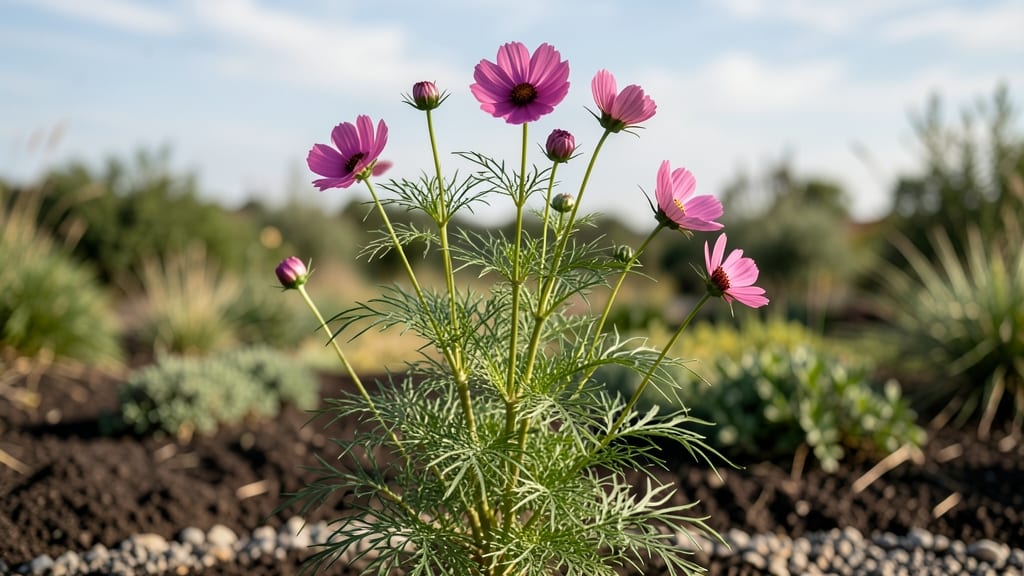
Growing just one cosmos plant transforms any container into a sunlit spectacle. 🌻 I’ve watched these bold blooms go from fluffy seedlings to 3-foot-tall stars in a single summer—all from a single pot. The secret? They’re forgiving, fast-growing, and love being cooped up.
You’ll need a 5-gallon container (or larger), well-draining soil, and a spot that gets 6+ hours of sun. Cosmos thrive in average soil, even rocky or sandy mixes, and they self-seed like crazy—meaning more free plants next year. Water when the top inch feels dry, but don’t drown them.
Overwatering is their only real enemy. By midsummer, you’ll have weeks of nonstop blooms in shades of pink, white, or deep red. The flowers attract butterflies and hummingbirds, and they keep producing until frost. Snip spent blooms to encourage more, but otherwise, these plants are basically maintenance-free.
Perfect for balconies, patios, or even windowsills with enough light. Once you grow one, you’ll wonder why you didn’t start sooner—they’re the easiest way to add drama to small spaces.
📚 In This Guide
- What you need
- Instructions
- Tips and common mistakes
- Wrapping up and next steps
What you need
- ● One Cosmos Plant: Choose a healthy Cosmos bipinnatus or Cosmos sulphureus (annual varieties work best for containers). Look for plants with vibrant buds and no yellowing leaves.
- ● Container: Minimum 12-inch diameter (or 1-gallon size) for one plant.
- ● Ensure it has drainage holes to prevent root rot.
- ● Material: Terracotta, ceramic, or lightweight plastic (avoid heavy containers unless you have a sturdy surface).
- ● Potting Mix: 1 bag (5-10 quarts) of well-draining mix. A blend of 50% potting soil and 50% perlite or coco coir works perfectly.
- ● Fertilizer: Balanced liquid fertilizer (e.g., 10-10-10 or 20-20-20) for planting.
- ○ Slow-release granules (optional but helpful for sustained growth).
- ● Watering Can or Spray Bottle: With a gentle spray nozzle for even moisture.
- ● Pruning Shears: Small, sharp pair for trimming dead blooms or leggy stems.
- ● Mulch: Organic mulch (like shredded bark) to retain moisture and suppress weeds.
- ● Support Stake: If your cosmos grows tall (e.g., Cosmos sulphureus), a 3-foot bamboo stake can keep it upright.
- ● Plant Food: Fish emulsion or compost tea for a nutrient boost mid-season.
- ● Decorative Stones or Gravel: For a polished, low-maintenance look (place on top of soil to deter pests).
Step-by-step instructions for growing cosmos in containers
Container cosmos are the showstopper of summer—here's how to coax those bold blooms into thriving.
🪴 Step 1: Select the Right Container and Soil Mix
Choose a container with at least 12-inch depth and drainage holes—cosmos roots need room to spread while avoiding soggy soil. I prefer terracotta pots because they breathe and help regulate moisture. Fill the bottom third with gravel or perlite to ensure proper drainage, then add 3 gallons of well-draining potting mix mixed with 1 cup of compost. Cosmos hate wet feet, so this layering prevents root rot.
Fluff the soil with your fingers until it's light and airy—think crumbly cake batter, not packed dirt. Press down gently just enough to remove air pockets, but don't compact it. The goal is to create a loose matrix where roots can explore easily. Add a slow-release fertilizer pellet to the soil mix for steady nutrition without burning tender roots.
🌱 Step 2: Plant Seeds at the Correct Depth and Spacing
Sow 3-4 seeds per container at a depth of ¼ inch—any deeper and they'll struggle to break through. Cosmos seeds are tiny, so I use a toothpick to create small holes. Space them 1 inch apart in a loose circle to encourage bushy growth. Cover lightly with a sprinkle of additional soil, then mist gently with water until the surface looks evenly moist but not saturated.
Place the container in a warm spot (70-75°F) with indirect light until germination. I use a seedling heat mat for the first week—cosmos germinate fastest in warmth. You'll see the first sprouts in 7-14 days, though some varieties can take up to 21 days depending on your climate. Don't be tempted to water from above once they emerge; you'll know moisture is right when the soil surface looks slightly damp but not glistening.
☀️ Step 3: Provide Full Sun and Consistent Watering
Once seedlings reach 2 inches tall, move them to a location with full sun (6+ hours daily). Cosmos are drought-tolerant once established, but young plants need steady moisture. Water when the top inch of soil feels dry, which for containers usually means every 2-3 days in summer. Let the excess water drain completely—cosmos roots rot quickly if they sit in wet soil.
Here's the thing—cosmos grow fast, but they're not fussy about soil fertility. I fertilize lightly every 4-6 weeks with a balanced liquid fertilizer (10-10-10) diluted to half strength. Too much nitrogen makes them grow leaves instead of flowers, so I skip the heavy feeding. You'll know you're doing it right when you see buds forming at the top of stems within 6-8 weeks of planting.
✂️ Step 4: Deadhead and Maintain for Continuous Blooms
When flowers fade, snip spent blooms back to the first set of healthy leaves below the flower head. This encourages more buds to form and prevents the plant from seeding itself. I use clean pruners and make cuts at a 45-degree angle just above a leaf node—this prevents water from pooling on the stem, which can cause rot.
Cosmos are self-cleaning in a way; they rarely need heavy pruning. If your plant gets leggy, you can cut it back by one-third in early summer to promote bushier growth. Just don't remove more than 25% of the plant at once—cosmos are resilient but not indestructible. With regular deadheading, your container cosmos will bloom throughout the summer until the first frost.
⏰ Step 5: Prepare for Winter and Store for Next Year
When frost threatens, cut the plant back to 2 inches above the soil line and let the container dry out. Cosmos are annuals, but you can save seeds for next year. Let a few flowers go to seed, then harvest the dry seed heads, rub them between your hands to release the seeds, and store them in a paper envelope in a cool, dark place.
If you want to overwinter the plant, move the container to a garage or unheated shed where temperatures stay above 30°F. Keep the soil just barely moist and bring it back outside in early spring. Most gardeners replant fresh seeds each year, though—cosmos grow so easily from seed that it's not worth the hassle of overwintering.
Tips & tricks for perfect container cosmos
These simple strategies will help you coax those vibrant cosmos blooms into thriving container plants with minimal fuss.
Container Selection: While terracotta is ideal, you can use any container with drainage—just avoid plastic that traps moisture. I've had great success with fiberglass pots that retain heat better in cooler climates. Make sure your container has at least 12 inches of depth and drainage holes to prevent root rot, which is the #1 killer of container cosmos. If your container lacks drainage, drill holes yourself or place it on a saucer of gravel.
Germination Boost: The 70-75°F warmth requirement is critical for germination. If your home stays cooler, place containers on a seedling heat mat or even a sunny windowsill with a clear plastic wrap tent to trap warmth. Once sprouts appear, remove the cover immediately to prevent mold—cosmos seedlings are delicate but fast-growing once they break through the soil.
Soil Texture Trick: The "crumbly cake batter" consistency is key for container cosmos. Mix your 3 gallons of potting soil with 1 cup of compost and add ½ cup of perlite or vermiculite to improve aeration. This prevents compaction that can suffocate roots. I like to sift the soil mix through a large mesh screen before planting to ensure even distribution of these amendments.
Fertilizer Strategy: The slow-release pellet in Step 1 provides steady nutrition, but I recommend adding a handful of worm castings to the soil mix for extra microbial activity. This helps cosmos convert nutrients more efficiently, leading to stronger stems and more abundant blooms. Avoid liquid fertilizers during the first 6-8 weeks—cosmos need time to establish roots before benefiting from extra nitrogen.
Pro Tips for One Cosmos Plant
- These simple strategies will help you coax those vibrant cosmos blooms into thriving container plants with minimal fuss.
- Container Selection: While terracotta is ideal, you can use any container with drainage—just avoid plastic that traps...
- Germination Boost: The 70-75°F warmth requirement is critical for germination. If your home stays cooler, place conta...
Frequently asked questions
Got questions about growing One Cosmos Plant in containers? You’re not alone!
Here are some of the most common queries—and their answers—to help you nurture these vibrant blooms with confidence.
How often should I water my One Cosmos plant in a container?
Water your One Cosmos when the top 1–2 inches of soil feel dry to the touch. Containers dry out faster than garden beds, so check daily in hot weather. Overwatering can cause root rot, so ensure pots have drainage holes. A good rule: water deeply but less frequently—about 1–2 times per week, depending on climate.
When is the best time to plant One Cosmos in containers?
Start seeds indoors 6–8 weeks before your last frost date, or transplant seedlings after the soil warms to at least 50°F (10°C). For container growing, late spring (after frost risk passes) is ideal. These annuals thrive in warm weather, so avoid planting too early—they’ll sulk in cold soil.
Can I grow One Cosmos from seed, or should I buy seedlings?
Both work! Seeds are budget-friendly and fun to grow, but seedlings give you a head start. If starting from seed, sow them ¼-inch deep in well-draining soil and keep them moist until germination (7–14 days). Seedlings are easier for beginners and ensure consistent blooms faster.
What pests should I watch for with One Cosmos in containers?
Keep an eye out for aphids, spider mites, and whiteflies, which love the tender leaves. Spray off pests with water or use neem oil for organic control. Prevention tip: Ensure good airflow between plants and remove damaged foliage promptly. Healthy plants resist pests better!
How do I keep my One Cosmos blooming all season?
Deadhead spent blooms regularly to encourage more flowers. Feed with a balanced liquid fertilizer every 4–6 weeks, and mulch around the base to retain moisture. These plants are low-maintenance but reward consistency with nonstop color from summer until frost.
Wrapping up and next steps
One Cosmos Plant isn’t just a pretty face—it’s a low-maintenance, sun-loving superstar that brings joy with minimal effort. Whether you’re a seasoned gardener or a beginner, its vibrant blooms and adaptability make it the perfect addition to your container garden. Ready to dive in? Start small with one cosmos plant, experiment with colors, and watch your space transform into a cheerful, pollinator-friendly paradise! 🌸
Your next step? Grab those supplies, pick a sunny spot, and plant with confidence—you’ve got this! 🌱✨