
Planting
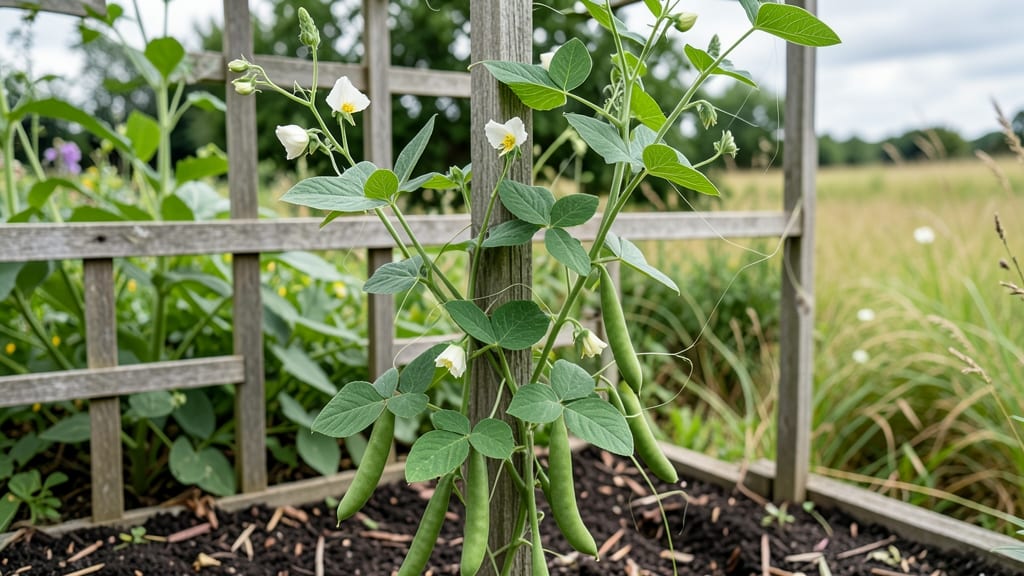
Every part of a pea plant is useful—roots anchor it, stems climb, and flowers turn into sweet pods. 🌱 Understanding these parts helps you grow healthier plants and troubleshoot problems before they start.
The roots dig deep for nutrients, while the tendrils on the stems latch onto supports to reach for sunlight.
Flowers bloom in clusters, and each one holds the promise of a future pod. Leaves capture sunlight to fuel growth, while the pods themselves are where the magic happens—sweet peas develop inside.
Knowing how each part works means you can prune wisely, harvest at the right time, and keep your vines thriving.
When pods stop forming, check for enough sunlight or proper support. Yellowing leaves might mean too much water or not enough nutrients. By recognizing these signals early, you can adjust care and keep your peas productive all season long.
This knowledge turns gardening from guesswork into a rewarding process. Whether you're growing for fresh snacks or a lush garden display, understanding each part makes the difference between frustration and success.
📚 In This Guide
- What you need
- Instructions
- Tips and common mistakes
- Wrapping up and next steps
What you need
- ● Pea plants: 1–3 mature pea plants (e.g., Pisum sativum varieties like Sugar Snap or Snow Peas) – fresh or potted
- ○ Optional: Seeds for growing your own (10–20 seeds for a small study plot)
- ● Safety gear (if handling plants outdoors): 1 pair of gardening gloves (nitrile or cotton)
- ○ 1 pair of safety goggles (optional, for dusty conditions)
- ● Basic tools: 1 sharp pair of scissors or pruning shears (for harvesting parts)
- ● 1 magnifying glass (5x–10x magnification, for close-ups of flowers/leaves)
- ● 1 small knife or scalpel (for dissecting pods/stems)
- ○ Optional tech: 1 smartphone with a macro lens attachment (for high-res photos)
- ● 1 digital scale (0.1g precision, for weighing edible parts)
- ● Knowledge: Basic botany terms (e.g., "node," "internode," "stamen") – glossary help included!
- ● Food safety guidelines (if tasting edible parts)
- ○ Optional: Cooking tools (e.g., pot, colander) for preparing edible stems/pods
- ● Labeling tags + markers (for tracking plant growth stages)
How to identify and use every edible part of a pea plant
Peas aren’t just a pod—every part of the plant is packed with flavor and nutrition. Here’s how to recognize and harvest them all.
🌱 Step 1: Spot the Climbing Vines and Support Stems
The pea plant starts with thin, wiry vines that twist counterclockwise as they climb. These vines are edible when young and tender—think of them like a mild asparagus substitute. Harvest them early in the season before they toughen, cutting 3-4 inch sections just below the leaf nodes.
Don’t mistake the main stem for the vines—it’s thicker and woody. This part stays in the ground to support the plant. Look for hair-like tendrils curling around trellises; these are your cue that the plant is actively growing and producing edible shoots.
🌿 Step 2: Harvest Young Leaves and Flower Buds
Pea leaves are delicate and slightly sweet, best picked when they’re 2-3 inches long. Young leaves have a texture similar to spinach, while older ones turn tough. Snip them at the base with clean scissors to avoid damaging the plant.
Flower buds are a hidden gem—pick them before they bloom for a crisp, almond-like flavor. Harvest when buds are firm and closed, usually 3-5 days before opening. Overlooking this step means missing out on one of the plant’s most flavorful parts.
💧 Step 3: Identify and Pick Mature Pods at Peak Ripeness
Pea pods mature in stages: green, firm, and slightly waxy is the ideal time to harvest. Press a pod gently—if it yields slightly, it’s ready. Overripe pods turn yellow and mealy, while underripe ones are tough and fibrous.
Leave one pod per stem to mature fully for seed production if you want to save seeds for next year. The rest can be snapped off cleanly at the stem. Harvest every 2-3 days to encourage continuous production—peas grow fastest when picked young.
☀️ Step 4: Use Flowers for Garnishes and Infusions
Pea flowers are edible and fragrant, with a mild sweetness. Harvest them in the morning after dew dries for the best flavor. Use them fresh in salads, as garnishes, or to infuse honey. Avoid flowers touched by pesticides or dusted with pollen if you’re sensitive.
Watch for butterfly-shaped blooms with five petals—these are your target. They’re short-lived, so harvest them the same day they open. If left on the plant, they’ll develop into pods, but their flavor peaks when fresh.
✂️ Step 5: Prune for Continuous Harvest and Plant Health
Regular pruning keeps the plant productive. Remove yellowed or diseased leaves immediately to prevent spread. Trim back overgrown vines to encourage bushier growth and better airflow, which reduces mold risk.
Cut back spent flower stems after pods form to redirect the plant’s energy. This ensures a steady supply of new shoots, leaves, and flowers. Use clean shears and sterilize them with rubbing alcohol between cuts to avoid introducing pathogens.
Tips & tricks for perfect pea plant harvesting
These simple insights will help you get the most out of every part of your pea plant—no wasted effort or missed flavors.
Timing is Everything: When harvesting those 3-4 inch vine sections in Step 1, aim for early morning after dew has dried. The vines are most tender then, and you'll avoid the tough, fibrous texture that comes later in the day. I've found that harvesting every 2-3 days (as mentioned in Step 3) keeps the plant producing continuously—don't let those pods get past their prime!
Visual Cues for Perfect Harvesting: For those 2-3 inch leaves in Step 2, look for vibrant green color and a slightly waxy surface. If you see yellowing or brown spots, those leaves are past their prime. When checking pod ripeness in Step 3, give them a gentle squeeze—they should yield slightly like a ripe avocado. This simple test saves you from picking pods that are either too tough or already mealy.
Tool Prep Matters: Before you start harvesting, sterilize your pruning shears with rubbing alcohol (as mentioned in Step 5). This prevents spreading disease between plants. I keep a small spray bottle of diluted alcohol handy for quick sterilization between cuts—it only takes a few seconds and makes all the difference in plant health. Also, use clean, sharp scissors for leaves and buds to avoid crushing delicate tissues.
Flower Harvesting Hack: Those butterfly-shaped blooms in Step 4 are best picked in the morning when dew has dried. If you're making floral honey, harvest flowers just as they open—this captures the most intense flavor. I've found that using a small mesh bag to collect flowers prevents petals from scattering while you work. Store them in the fridge for up to 24 hours before using in recipes.
Pro Tips for Parts Of Pea Plant
- These simple insights will help you get the most out of every part of your pea plant—no wasted effort or missed flavors.
- Timing is Everything: When harvesting those 3-4 inch vine sections in Step 1, aim for early morning after dew has dried.
- Visual Cues for Perfect Harvesting: For those 2-3 inch leaves in Step 2, look for vibrant green color and a slightly waxy surface.
Frequently asked questions
Got questions about pea plant parts? You’re not alone! Here are some of the most common queries—and their answers—to help you make the most of your garden harvest.
What parts of a pea plant are actually edible?
The entire pea plant is edible! You can eat the pods (raw or cooked), seeds (sweet peas), leaves (young and tender), stems (thin and peeled), and even the flowers (delicate and lightly sweet). Just avoid over-mature pods—they get tough and fibrous.
When is the best time to harvest pea pods?
Harvest pea pods when they’re firm but plump, usually 7–10 days after flowering. For sugar snap peas, pick when pods are bright green and slightly curved. Snow peas should be flat and tender. Check daily—overripe pods lose flavor and texture fast!
Can I eat pea plant leaves like spinach?
Yes! Young pea leaves are packed with nutrients and taste mild, similar to spinach. Harvest them early (before the plant flowers) for the best flavor. Cook them briefly to soften or add raw to salads. Just avoid leaves from older plants—they can taste bitter.
What should I do if my pea plant flowers but doesn’t produce pods?
Missing pods? Check these fixes:
- Pollination issues: Peas need bees or wind to pollinate. Hand-pollinate by gently shaking the plant or brushing flowers with a paintbrush.
- Temperature stress: Cool nights (<50°F) can delay podding. Use row covers if frost is a concern.
- Nutrient deficiency: Add compost or a balanced fertilizer if leaves look yellow.
Are pea flowers safe to eat, and how do I prepare them?
Pea flowers are edible and delicious—they taste like a cross between peas and sweet peas. Use them fresh in salads, garnishes, or infuse them in simple syrups. Remove the base (where the flower meets the stem) and enjoy raw or lightly cooked.
Wrapping up and next steps
Understanding the parts of a pea plant unlocks a world of culinary and gardening possibilities—whether you're harvesting sweet pods, savoring young shoots, or admiring delicate flowers! 🌱 From roots to blossoms, each part plays a role in both the plant’s growth and your kitchen creativity.
Ready to put your knowledge to work? Start small: plant a few pea seeds, observe their growth, and experiment with cooking different parts. Who knows? You might discover your new favorite garden-to-table recipe! 🌟