
Planting
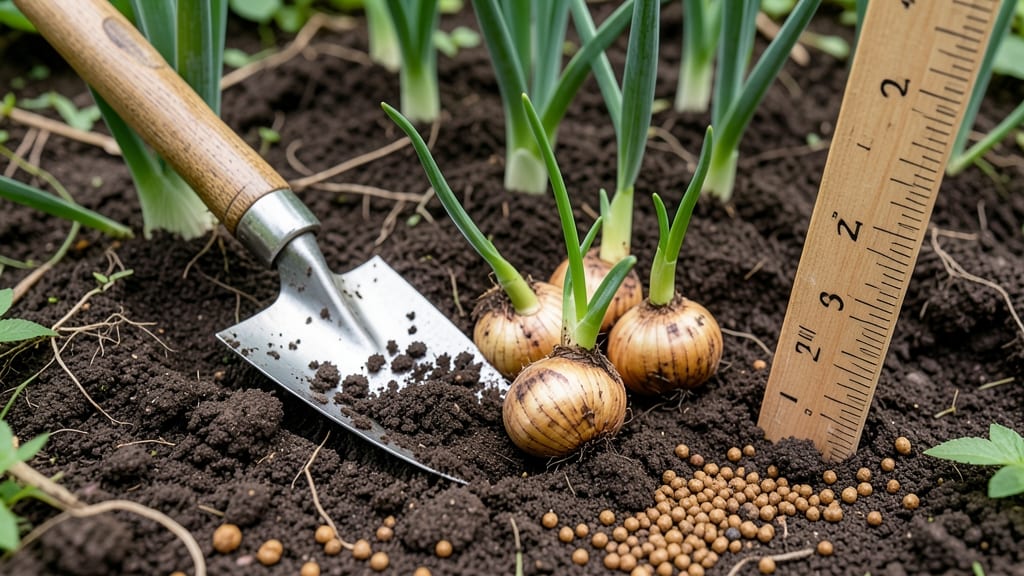
To plant gladiolus bulbs at the right depth ensures tall, sturdy stems that won’t flop over in summer storms.
Gladiolus bulbs are stunning additions to any garden, but planting them too shallow can lead to weak stems that flop over—ruining their dramatic beauty. Get the depth right, and you’ll enjoy tall, sturdy blooms that stand out all summer.
Most gardeners dig too shallow, thinking deeper means less effort—but the opposite is true. Too shallow, and the bulbs won’t anchor properly, leaving you with top-heavy stems that bend under the weight of those gorgeous 🌸 flowers.
In this guide, I’ll break down the exact planting depth for your soil type, how to adjust for clay or sandy ground, and when to stake for extra support—so your gladiolus stand proud all season.
Correct gladiolus bulb planting depth by soil type and climate
Getting the planting depth right for gladiolus bulbs is crucial—too shallow, and your stems will flop like overcooked noodles. Too deep, and you’ll stunt their growth. The ideal depth range is 4–6 inches, but this shifts based on your soil type and climate zone.
Let’s dig into the specifics so your glads stand tall and proud all season.
First, consider your soil texture. Sandy soils drain faster, so bulbs need slightly more depth to hold moisture and stabilize.
Meanwhile, clay soils retain water longer, so you can plant a bit shallower. Climate zones also play a role—cooler regions may need deeper planting to protect bulbs from frost, while warmer areas can handle shallower depths with proper mulching.
Here’s the key: bulb size matters. Larger corms (2+ inches in diameter) need deeper planting—6 inches—to support their taller stems. Smaller corms (1–2 inches) can go 4–5 inches deep. Always plant with the pointed end up to ensure proper sprouting.
| Soil Type | Climate Zone (USDA) | Bulb Size | Recommended Depth | Notes |
|---|---|---|---|---|
| Sandy | Zones 7–10 | Large (2"+) | 6 inches | Add compost to retain moisture |
| Sandy | Zones 7–10 | Small (1–2") | 4–5 inches | Use mulch to prevent drying |
| Clay | Zones 3–6 | Large (2"+) | 5 inches | Avoid waterlogging; amend soil |
| Clay | Zones 3–6 | Small (1–2") | 3–4 inches | Plant in raised beds if drainage is poor |
| Loamy | All Zones | Large (2"+) | 5–6 inches | Best balance of drainage and moisture |
| Loamy | All Zones | Small (1–2") | 4 inches | Ideal for beginners |
In cooler climates (USDA Zones 3–6), aim for deeper planting—5–6 inches—to protect bulbs from frost heave. Use a thick mulch layer (3–4 inches) of straw or leaves after planting to insulate them.
In warmer zones (7–10), you can plant slightly shallower (4 inches), but ensure the soil stays consistently moist to prevent bulb desiccation.
Pro tip: If your soil is rocky or compacted, loosen it to 8–10 inches deep before planting. This helps roots establish without resistance. For container gardening, use a well-draining mix and plant bulbs 4–5 inches deep—just adjust the container’s depth to accommodate their full height.
After planting, water deeply to settle the soil around the bulbs. This eliminates air pockets that can cause instability. In sandy soils, water every 2–3 days until shoots emerge.
In clay soils, reduce to once a week to avoid soggy conditions. Always water at the base of the plant, not overhead, to prevent fungal issues.
One last trick: If you’re in a windy area, plant bulbs 1 inch deeper than recommended. The extra support helps prevent flopping, especially for tall varieties like 'Green Garter' or 'Black Star'. Pair deeper planting with staking (3–4 feet tall) for varieties exceeding 4 feet in height.
Remember, consistency is key. Whether you’re in the desert Southwest or the Pacific Northwest, adjust your depth based on soil and climate—but never plant less than 3 inches deep. Your gladiolus will reward you with bold, upright blooms that steal the show all summer long.
Common mistakes that cause flopping gladiolus stems (and how to fix them)
Flopping gladiolus stems are a common frustration, but they often stem from simple planting mistakes. When bulbs aren't planted at the correct depth or spaced properly, stems grow weak and bend under their own weight. I've seen this happen too often—especially in crowded flower beds where gardeners overlook spacing guidelines.
Another frequent issue is soil compaction around the corms, which restricts root development and weakens structural support. Heavy foot traffic or working wet soil can turn your garden bed into a compacted mess, leaving gladiolus stems struggling to stand tall. Let's fix these problems before your next planting season!
⚠️ Planting Too Shallow Causes Flopping
Gladiolus bulbs need 6-8 inches of soil coverage for stable stems. Planting them shallower than 4 inches risks weak roots and top-heavy growth. Use a ruler to verify depth—don't guess!
One of the biggest culprits is over-planting gladiolus corms too closely together. When bulbs are packed in, they compete for nutrients and space, leading to spindly stems that can't support themselves. Aim for 4-6 inches between corms—this gives each plant room to develop strong roots and sturdy stems.
For heavy clay soils, I recommend amending with compost or sand before planting to improve drainage and reduce compaction. A loose, well-aerated soil mix helps roots spread naturally, preventing the "floppy stem syndrome" that plagues many gladiolus gardens. Test your soil first—amendments make all the difference!
If you've already planted and notice stems leaning, don't panic! Install bamboo stakes or garden supports early in the season. Tie stems loosely with soft twine (avoid wire—it can damage tender growth). This simple fix can transform weak stems into showstopping vertical displays by midsummer.
Remember: mulching also helps by retaining moisture and preventing soil compaction from heavy rain. Use 2-3 inches of organic mulch (like straw or shredded leaves) around your gladiolus plants, keeping it away from the stems to avoid rot. Your plants will thank you with stronger growth!