
Planting
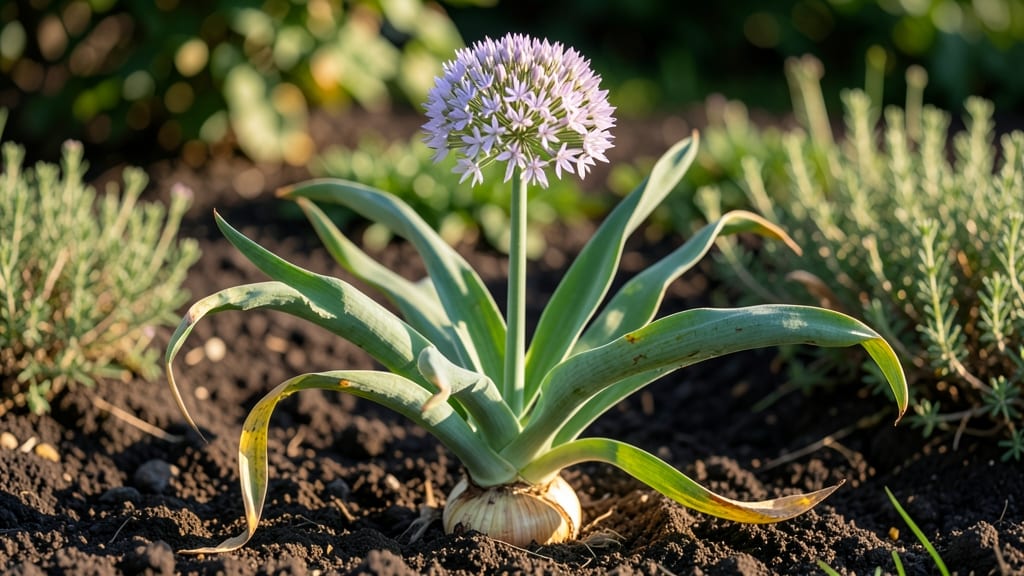
When red onion plants send up those dramatic purple flower stalks, it’s nature’s way of saying, "Let’s make seeds instead of bulbs." 🌸 I’ve watched my onions go from tiny green shoots to towering flower spikes, and there’s a right way—and a wrong way—to handle it if you still want those sweet, plump bulbs.
The flowering process starts when days get longer and soil stays warm, usually 60-70 days after planting. Those tall, hollow stems with round purple flowers are your onion’s way of reproducing, but they drain energy from bulb development.
If you’re growing for eating, you’ll need to decide fast: snip the flower stalks at the base to redirect energy back to the bulb, or let them go if you want seeds for next year.
With proper care—consistent watering and balanced fertilization—you can still coax decent-sized bulbs even after flowering. The key is acting quickly when you spot the first flower spike. I’ve saved harvests by cutting stalks within 24 hours of appearance, and the bulbs kept growing, just smaller.
Whether you’re growing for table or seeds, understanding this stage turns frustration into strategy. Let’s break down how to work with your onions, not against them.
📚 In This Guide
- What you need
- Instructions
- Tips and common mistakes
- Wrapping up and next steps
What you need
- ● Red onion seeds or sets: Choose Allium cepa varieties like 'Red Baron' or 'Stuttgarter' (1–2 lbs for a small garden, 5+ lbs for larger plots). Opt for organic, non-GMO seeds if possible.
- ● Well-draining potting mix or garden soil: A blend of 50% topsoil, 30% compost, and 20% perlite/sand (10–15 gallons for a 4' x 4' bed). Test soil pH—aim for 6.0–7.0.
- ● Containers or garden bed: Containers: 6–8" deep pots with drainage holes (3–5 plants per 12" pot).
- ● Garden bed: Full sun (6+ hours/day) and space 4–6" apart in rows 12–18" apart.
- ● Watering can or hose with gentle nozzle: Avoid overhead watering to prevent fungal diseases.
- ● Fertilizer: Balanced 10-10-10 or fish emulsion (apply at planting and mid-season).
- ○ Mulch (optional but recommended): Straw or shredded leaves to retain moisture and suppress weeds.
- ● Hand trowel or transplanting spade (for planting seeds/sets).
- ● Gloves (to protect hands from sharp onion edges).
- ● Pruners or scissors (for harvesting flower stems or deadheading).
- ● Measuring tape or ruler (to ensure proper spacing).
- ● Spray bottle (for misting seeds during germination).
- ● Grow lights (if starting indoors before last frost).
- ● Row covers or netting (to deter pests like onion flies).
- ● Epsom salt (1 tbsp per gallon of water monthly for magnesium boost).
- ● Journal or app (to track planting dates, watering, and bloom stages).
- ● Decorative pots or trellis (for urban gardens or vertical growing).
Step-by-Step guide to growing edible red onion flowers
Here's how to nurture those stunning red onion blooms—and turn them into culinary gems.
🌱 Step 1: Identify and Select Flowering Onion Plants
Start by choosing mature red onion plants that have already bolted—those with tall flower stalks emerging from the center. I look for stalks that are at least 12 inches tall and have begun forming buds. The deeper red the onion, the more vibrant the blooms will be, so prioritize those richly colored varieties.
Remove any surrounding weeds or competing plants within a 12-inch radius of your onion. This ensures all the plant's energy goes into producing those edible flowers rather than fighting for nutrients. A quick mulch of 1 inch of straw around the base helps retain moisture while keeping weeds at bay.
☀️ Step 2: Support and Protect Developing Blooms
Onion flowers are delicate, so I install small bamboo stakes (18 inches tall) next to each plant and loosely tie the flower stalks to them as they grow. This prevents them from bending or breaking under wind or rain. The goal is to keep the stalks upright without restricting airflow around the buds.
Water the base of the plants deeply every 2-3 days when the soil feels dry to the touch. Avoid wetting the flowers themselves—this prevents fungal issues. I water in the early morning so any moisture evaporates quickly. Red onion flowers thrive in full sun (6+ hours daily), so ensure they get their required light.
✂️ Step 3: Harvest Flowers at Peak Edibility
Watch for buds that are just beginning to open—these are the sweetest and most flavorful. I harvest in the morning when dew has dried but before the sun gets too intense. Use clean scissors or pruning shears to snip the entire flower cluster just above a leaf node, leaving at least 4-6 inches of stem for regrowth.
Don't wait until flowers fully bloom—they become bitter and lose their delicate onion flavor. Harvested flowers can be used immediately in salads, garnishes, or as edible decorations. Store any extras in a paper towel-lined container in the fridge for up to 3 days to maintain freshness.
🌿 Step 4: Encourage Regrowth for Continued Harvests
After harvesting, the onion plant may produce a second flush of flowers. I trim any damaged or yellowing leaves to redirect energy to new growth. Apply a light fertilizer (5-10-10) around the base—just a handful per plant—to support regrowth without overstimulating foliage.
Continue watering as before, but reduce frequency slightly to every 3-4 days once new buds appear. The second harvest won't be as abundant, but you'll still get a few more edible blooms. This method works best in USDA zones 3-10, where onion plants have a full growing season to recover.
Tips & tricks for perfect red onion blooms
These simple strategies will help you maximize your harvest and keep those delicate flowers at their peak.
Selection Tip: When choosing onion plants for their flowers, focus on those with the deepest red coloration—they produce the most vibrant blooms. I've found that plants with stalks reaching at least 12 inches tall yield the most abundant flowers. Look for buds that are just beginning to form rather than fully opened; these will give you the sweetest flavor when harvested.
Support Strategy: The 18-inch bamboo stakes mentioned in Step 2 are a game-changer for keeping those delicate flower stalks upright. I recommend using soft plant ties to secure them—this prevents damage while allowing natural airflow. If you don't have bamboo stakes, sturdy twigs or even wooden skewers can work in a pinch, though they may need more frequent adjustments.
Harvest Timing: The morning harvest window is critical for maintaining flavor and freshness. I harvest when dew has evaporated but before the sun becomes intense—typically between 8-10 AM in my climate. At this stage, the buds should be just beginning to open, with petals still tightly closed. Waiting too long results in bitter flowers that lose their delicate onion essence.
Storage Wisdom: The 3-day fridge storage limit is strict, but there are ways to extend freshness slightly. After harvesting, immediately place flowers in a paper towel-lined container and store them in the crisper drawer of your refrigerator. For longer storage, you can also freeze the flowers by laying them flat on a tray until frozen, then transferring to a freezer bag. Thaw in the fridge before using in cooked dishes.
Pro Tips for Red Onion Plant Flower
- These simple strategies will help you maximize your harvest and keep those delicate flowers at their peak.
- Selection Tip: When choosing onion plants for their flowers, focus on those with the deepest red coloration—they produce the most vibrant blooms.
- Support Strategy: The 18-inch bamboo stakes mentioned in Step 2 are a game-changer for keeping those delicate flower stalks upright.
Frequently asked questions
Do red onion flowers mean my harvest is ruined?
Not necessarily! While flowering signals the plant is shifting energy toward seed production, some varieties (like short-day onions) can still yield edible bulbs if you act fast. Snip the flower stalk at the base—this redirects energy back to the bulb. For long-day onions, flowering usually means the bulb won’t grow large, so harvest what you have!
How long does it take for red onion flowers to bloom?
Timing depends on the variety and climate, but most red onions flower 60–90 days after transplanting in warm conditions. Short-day onions (like Texas Early White) bloom faster in heat, while long-day onions may wait until late summer or fall. Cool nights can delay flowering—ideal for extending bulb growth!
Can I eat red onion flowers, or are they just for looks?
Edible and ornamental
, red onion flowers add a mild onion-garlic flavor to salads, garnishes, or even fried as a crispy snack. Pro tip: Harvest flowers in the morning for peak freshness. Save seeds for next year’s crop if you’re feeling adventurous!
Why are my red onion plants flowering too early?
Early flowering is often triggered by heat stress, drought, or day-length changes. To troubleshoot:
- Water consistently—dry spells shock plants into flowering.
- Use shade cloth (30–50%) if temps exceed 85°F (29°C).
- Choose the right variety—long-day onions thrive in cooler climates.
What’s a good alternative if my red onions keep flowering?
Try these low-flowering or heat-tolerant alternatives:
Variety
Best For
Days to Maturity
‘Red Baron’
Short-day, sweet bulbs
100–110 days
‘Stuttgarter’
Cold-hardy, slow to bolt
110–120 days
Shallots
Heat-tolerant, perennial
90–100 days
Wrapping up and next steps
Watching your red onion plant flower bloom is a rewarding experience—it’s proof of your green thumb hard work! 🌱 Whether you’re growing for flavorful harvests or simply admiring the edible beauty, these plants offer both practicality and charm.
Now that you’re equipped with the know-how, why not share your newfound skills? Try gifting onion starts to fellow gardeners or experiment with preserving blooms in dried arrangements. Happy gardening—your next harvest is just around the corner! 🌸