
Planting
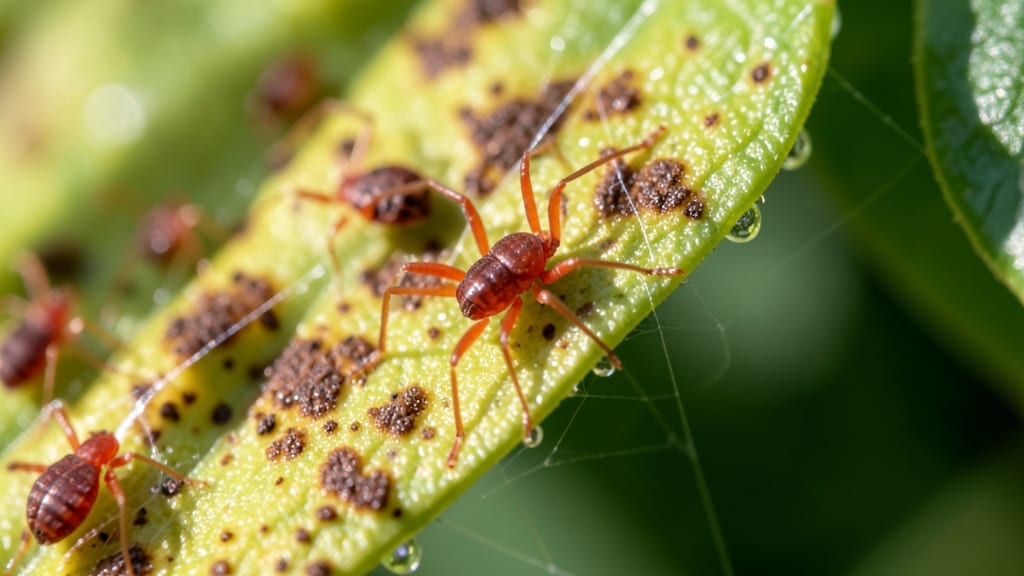
Red spider mites turn your thriving plants into skeleton leaves overnight. 🌿 These tiny red pests thrive in dry conditions, spinning webs and sucking sap from your tomatoes, roses, and citrus—leaving behind stippled, yellowing foliage that looks like it’s been attacked by a swarm of microscopic vampires.
The problem starts small: you’ll spot fine webbing between leaves or see tiny moving dots when you shake a branch. By the time you notice the damage—speckled leaves, curled edges, and overall stunted growth—it’s already too late for a quick fix.
These mites multiply faster than you can say “neem oil,” especially when humidity drops below 40%.
But here’s the good news: neem oil isn’t just a rescue—it’s a game-changer. A single spray can disrupt their lifecycle, smother eggs, and repel new invaders within 24-48 hours.
Combined with regular misting (they hate humidity!) and introducing predatory mites like Phytoseiulus persimilis, you’ll reclaim your plants in weeks.
Works on everything from houseplants to outdoor gardens, and it’s safe for pets once fully dried. The key? Catch them early, stay consistent, and don’t let your plants get thirsty—mites love stressed leaves. Let’s turn the tide on these pests for good.
Hidden Triggers Behind Tiny Threats
Red spider mites—those barely visible but devastating arachnids—don’t just appear out of nowhere. Their infestations are the result of a perfect storm of environmental and plant-related factors. Understanding these triggers is the first step to reclaiming your lush, mite-free foliage. Let’s break down the real culprits behind their rapid spread.
Red spider mites thrive in hot, dry conditions, making them a common nuisance during summer or in arid climates. Here’s why:
- Low humidity (below 40%): These mites lose moisture quickly in dry air, but their bodies adapt by sucking even more sap from your plants to compensate. Think of it like a desert survival tactic—except your plant is the one suffering.
- High temperatures (above 80°F/27°C): Heat accelerates their reproduction cycle. A single female can lay hundreds of eggs in weeks under optimal conditions, turning a minor issue into a full-blown outbreak overnight.
- Indoor environments: Central heating or air conditioning can create the perfect microclimate for mites, especially near sunny windows where plants bake in warmth.
Actionable fix: Increase humidity with a humidifier, group plants together to create a mini greenhouse effect, or mist leaves (early morning to avoid fungal risks).
Mites target stressed or nutrient-deficient plants because they’re easier to overpower. Common weakening factors include:
- Over-fertilization: Too much nitrogen or synthetic fertilizers can lead to soft, sappy growth—a mite’s dream snack. Weak cell walls make it simple for them to pierce and feed.
- Underwatering: Plants under drought stress produce sticky resins that mites adore. Plus, thirsty plants can’t mount an effective defense.
- Pests or diseases: Existing infestations (like aphids or fungal spots) create open wounds in leaves, giving mites direct access to plant sap.
- Poor air circulation: Stagnant air traps heat and moisture near leaves, creating a mite breeding ground while suffocating the plant’s natural defenses.
Actionable fix: Strengthen plants with balanced fertilizers (like compost tea), ensure proper drainage, and prune crowded foliage to improve airflow. A neem oil spray can also act as a preventive shield for vulnerable plants.
Mites don’t just multiply—they travel. Their tiny size and lightweight bodies make them expert stowaways. Here’s how they invade your garden or home:
- New plants: Infested leaves, soil, or pots can carry mites from nurseries or garden centers. Always quarantine new additions for 2–4 weeks.
- Wind and wildlife: Mites hitch rides on insects (like thrips or whiteflies) or hitchhike on clothing, tools, or even pets that brush against infested plants.
- Contaminated tools: Pruners, gloves, or pots used on infected plants can transfer mites to healthy ones. Clean tools with rubbing alcohol between uses.
- Nearby infestations: Mites can drift up to 10 feet on air currents, so an infected plant in your neighbor’s yard (or even a houseplant in the next room) can spark an outbreak.
Actionable fix: Inspect new plants under a magnifying glass before bringing them home. Place sticky traps near windows or doorways to catch hitchhikers early.
Mite populations explode during specific times of the year, depending on your climate:
| Season | Why Mites Flourish | Peak Risk Plants |
|---|---|---|
| Late Spring/Early Summer | Warmth and drying winds kickstart their life cycle after winter dormancy. | Houseplants, citrus trees, roses |
| Summer Heatwaves | Prolonged dry spells create ideal conditions for rapid reproduction. | Vegetables (tomatoes, peppers), succulents |
| Fall (Indoors) | Central heating dries out indoor air, mimicking their favorite climate. | Orchids, ferns, tropical plants |
Actionable fix: Monitor high-risk plants during these windows. Use preventive sprays (like neem oil) every 2–4 weeks to disrupt their life cycle.
Quick Fixes for Tiny Webbed Menaces
Red spider mites—those pesky, nearly invisible critters—can turn lush green leaves into dusty skeletons faster than you can say "neem oil." But don’t panic! With the right approach, you can reverse the damage and keep your plants thriving.
Below, we break down cause-specific solutions, from immediate action to long-term prevention, so you can tackle the problem like a pro.
Cause: Early-stage infestation (mites are feeding but haven’t spun webs yet). Fix: Isolate and blast them away before they multiply.
- 👨🍳 Rinse Off the Pests - How: Place infested plants under a strong stream of water (like a showerhead) for 30 seconds.
This dislodges mites and eggs. - Pro Tip: Do this every 2–3 days for 2 weeks to break their life cycle. 🌡️ Hot water (110°F) works even better—just don’t scald the leaves!
- 🌿 Neem Oil Spray (The Game-Changer) - Recipe: Mix 1 tbsp neem oil + 1 tsp mild soap + 1 quart water.
Shake well and spray undersides of leaves (where mites hide). - Frequency: Apply every 5–7 days until the problem clears (usually 3–4 treatments). - ✨ Bonus: Neem oil also repels future mites and strengthens plant immunity.
- 🍳 DIY Predatory Bug Release
- How: Introduce lacewings or ladybugs (available at garden centers). These tiny predators devour mites like all-you-can-eat buffets.
- Warning: Avoid pesticides—they’ll kill the good guys too!
Cause: Mites have spun webs, meaning they’ve colonized. Fix: Aggressive treatment + environmental adjustments.
- 🔪 Prune the Damage
- How: Snip off heavily infested leaves (especially the oldest ones) and dispose of them in a sealed bag (not compost).
- Why? Removing food sources starves the colony and speeds up recovery.
- 💡 Oil-Based Spray Rotation - Option 1: Horticultural oil (like refined sunflower oil). Spray at dusk (mites hate the cold) and repeat in 5 days. - Option 2: Insecticidal soap (mix 1 tbsp soap + 1 quart water).
Reapply every 3–4 days until webs disappear. - 🔥 Pro Tip: Combine both for a 1-2 punch! Spray soap first, then oil 24 hours later.
- 🌡️ Adjust Humidity & Airflow
- Mites love dry, stagnant air. Fix this by:
- Misting plants daily (especially in summer).
- Using a pebble tray under pots to increase humidity.
- Opening windows or using a fan to improve airflow (mites hate moving air).
- Mites love dry, stagnant air. Fix this by:
Once you’ve won the battle, lock in victory with these habits:
| Do This | Avoid This |
|---|---|
| Inspect new plants 2 weeks in quarantine. | Buying plants with webbing or speckled leaves. |
| Wipe leaves with a damp cloth weekly. | Overwatering (soggy soil = mite magnet). |
| Rotate crops to prevent buildup. | Ignoring yellowing leaves (early warning sign!). |
| Use reflective mulch (like aluminum foil) to confuse mites. | Storing tools near infested plants (mites hitchhike!). |
💡 Final Pro Tip: Prevention is cheaper than cure! A monthly neem oil spray (even on healthy plants) can prevent 90% of infestations. Think of it like plant sunscreen—better safe than sorry! 🌿✨
Frequently asked questions
How can I tell if my plants have red spider mites?
Look for tiny red or yellow dots moving between leaves when you shake the plant. Check for fine webbing on leaf undersides and speckled, yellowing leaves with a stippled appearance. Use a magnifying glass—mites are only about 0.5mm long!
Why does neem oil work better than other sprays?
Neem oil disrupts mite feeding and reproduction while being less toxic than chemical pesticides. It coats leaves, smothering eggs and adults, and contains azadirachtin, a compound that confuses their mating signals. Plus, it’s safe for pets once dry!
Can I use household items to treat red spider mites?
Yes! Try rubbing alcohol (70% isopropyl) mixed with water (1:1 ratio) and sprayed on infested areas. Another option is dish soap (1 tsp per quart of water), but avoid harsh detergents. For severe cases, combine with regular misting—mites hate humidity!
How long does it take to see results after treatment?
With consistent treatment (every 5-7 days), you should see visible improvement in 2-3 weeks. New growth will appear healthy, and webs should disappear within 10-14 days if you combine sprays with environmental fixes like humidity control. Patience is key!
Will my plants recover if I remove all the mites?
Yes, but early action is critical. Severely damaged leaves won’t regrow, but new shoots will emerge healthy if you prune infested areas and maintain proper care. Focus on stressed plants first—they’re most vulnerable to permanent damage.