
Planting
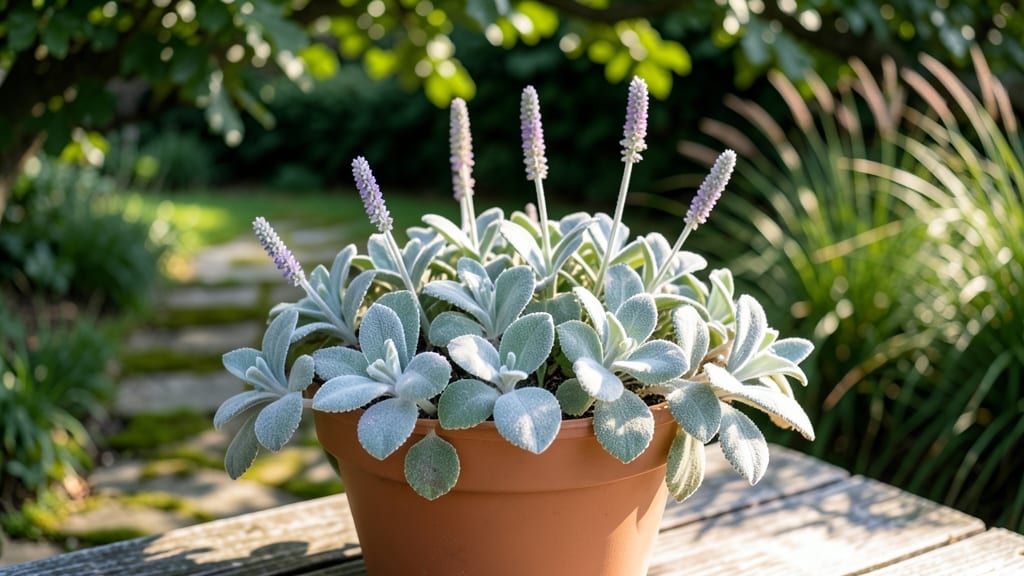
Growing sheep ear plants transforms any garden into a soft, silver cloud. 🌿 These drought-resistant beauties thrive with minimal fuss, their fuzzy leaves feeling like velvet under your fingertips.
I've learned that the key to their success lies in the right balance of sun, soil, and water—none of which requires special expertise. The secret starts with well-draining soil and a sunny spot (at least 6 hours of sunlight daily).
Sheep ear plants hate soggy roots, so containers with drainage holes work perfectly. Once established, they're shockingly resilient—water only when the top inch of soil feels dry, and you'll never overwater again. By summer, your plants will spread into lush mounds of silver foliage, perfect for borders or container gardens.
The best part? They multiply easily through division, giving you free plants to share with neighbors. Just avoid overcrowding, or you'll lose that signature velvety texture. Works beautifully in rock gardens, as edging plants, or even indoors near bright windows.
Here's how to keep them thriving all season long—no green thumb required!
📚 In This Guide
- What you need
- Instructions
- Tips and common mistakes
- Wrapping up and next steps
What you need
- ● Sheep ear plant: 1 healthy nursery-grown plant (4–6 inches tall) or seeds (if propagating from seed).
- ● Well-draining potting mix: 1 bag (5–10 quarts) of cactus/succulent mix (or add perlite/pumice for extra drainage).
- ● Pot: 1 container with drainage holes (6–8 inches in diameter for mature plants; smaller for cuttings).
- ● Watering can or spray bottle: With a narrow spout for precise watering.
- ○ Gloves (optional): To protect hands from the plant’s mild irritating sap.
- ● Trowel: Small hand trowel for repotting or dividing.
- ● Scissors or pruning shears: Sterilized for propagating cuttings.
- ● Peat moss or sand: 1–2 cups (for improving soil aeration).
- ○ Slow-release fertilizer: 1 packet of succulent-specific fertilizer (optional but helpful).
- ● Sunlight gauge: A sunny windowsill or grow light (if indoors).
How to grow and care for sheep ear plant succulents
This velvety beauty thrives with minimal fuss—here’s how to keep it lush and drought-resistant.
🪴 Step 1: Choose the Right Container and Soil
Start with a 6-inch wide pot (or larger for mature plants) that has drainage holes—sheep ear plants hate soggy roots. I use cactus/succulent mix blended with 20% perlite to keep moisture from pooling. The soil should feel gritty when dry and drain within minutes of watering.
Fill the pot halfway with the mix, then tap it gently to settle. Sheep ear plants prefer slightly acidic to neutral soil (pH 6.0-7.0), so avoid garden soil or compost-heavy mixes. If your mix is too dense, add extra perlite—this prevents root rot, which is the #1 killer of these plants.
☀️ Step 2: Position for Bright, Indirect Light
Sheep ear plants crave bright, indirect light—think east or west-facing windows or 6+ hours of filtered sun. A south window works too, but afternoon shade prevents leaf scorch. You’ll know the light is perfect when leaves stay deep green with no yellowing and the velvety texture remains intact.
If your plant stretches toward the light (called "etiolation"), it’s not getting enough. Rotate the pot quarter-turn weekly so growth stays even. In low-light spots, supplement with a grow light 12 inches away for 10-12 hours daily. Too little light dulls the velvety sheen—this plant’s signature trait.
💧 Step 3: Water Sparingly and Only When Dry
Water only when the top 2 inches of soil feel completely dry—this usually means every 2-3 weeks in spring/fall, every 3-4 weeks in summer. Stick your finger in the soil; if it’s damp past your first knuckle, wait longer. Overwatering causes mushy, translucent leaves—a sure sign of rot.
When you do water, soak thoroughly until water drains from the bottom. Empty the saucer after 10 minutes to prevent root suffocation. In winter, cut back to once a month—sheep ear plants enter dormancy and need far less moisture. Yellowing leaves? That’s often overwatering, not thirst.
✂️ Step 4: Prune and Propagate for Fullness
Trim leggy stems in early spring to encourage bushier growth. Use sterilized scissors to snip just above a leaf node—this is where new growth sprouts. Remove any brown, mushy, or shriveled leaves immediately; they invite pests and disease.
Propagate cuttings for free plants! Let a healthy stem dry for 24 hours, then place it on damp perlite (not soil). Mist lightly every 3-4 days until roots form in 3-4 weeks. The velvety leaves make propagation easy—just wait for tiny roots to peek out before potting up.
🌿 Step 5: Fertilize Lightly for Velvety Growth
Feed once in spring with a diluted succulent fertilizer (half-strength). Too much fertilizer burns roots and turns leaves yellow. I use a balanced 5-5-5 formula—just follow the package instructions and cut the dose in half. Skip fertilizer in winter; the plant’s dormant and doesn’t need extra nutrients.
Watch for white crusty deposits on soil—this means fertilizer buildup. Flush the soil with water if you see it. Sheep ear plants are slow growers, so less is more. Over-fertilizing stresses them and dulls that signature velvety texture you’re growing them for.
Tips & tricks for perfect sheep ear plant care
Your sheep ear plant's velvety charm deserves a little extra attention—here's how to keep it thriving without the guesswork.
Soil Mix Secret: That 20% perlite isn't just for drainage—it creates tiny air pockets that prevent root suffocation. If your mix feels too dense, add an extra 10% perlite or pumice. I've found that pre-mixed cactus soil often needs this adjustment, especially if it contains peat moss which holds too much moisture. The gritty texture should resemble coarse sand when dry.
Light Positioning: The quarter-turn weekly rotation in Step 2 isn't just about even growth—it's a way to monitor your plant's light needs. If you notice leaves stretching toward one side after just a few days, that's your cue to move the pot closer to the light source. The velvety texture will tell you everything: dull leaves mean more light, while crispy edges mean it's getting too intense.
Watering Confidence: That finger test in Step 3 is your best friend. When checking moisture, press your finger about 1.5 inches deep—not just the surface. I've learned this the hard way: surface dry soil can hide moisture deeper down, leading to rot. In summer, I often wait until the soil feels completely dry even at 2 inches down before watering again.
Propagation Hack: The 24-hour drying period before propagation isn't just about preventing rot—it's about giving the cutting time to form a protective callus. This little pause makes all the difference in preventing bacterial infections. I like to place cuttings on a wire rack over a shallow tray of water during this drying period to keep humidity high without direct contact.
Pro Tips for Sheep Ear Plant
- Your sheep ear plant's velvety charm deserves a little extra attention—here's how to keep it thriving without the guesswork.
- Soil Mix Secret: That 20% perlite isn't just for drainage—it creates tiny air pockets that prevent root suffocation.
- Light Positioning: The quarter-turn weekly rotation in Step 2 isn't just about even growth—it's a way to monitor your plant's light needs.
Frequently asked questions
Got questions about the sheep ear plant (Stapelia gigantea)? You’re not alone—this striking succulent is full of surprises! Here are answers to the most common queries to help you grow one with confidence.
How fast does a sheep ear plant grow?
The sheep ear plant grows slowly—expect just 1–2 inches per year under ideal conditions. Patience is key! Its growth rate is one of its charms, making it perfect for gardeners who enjoy low-maintenance plants. With proper sunlight and well-draining soil, you’ll see steady (but modest) progress over time.
Can I overwater a sheep ear plant?
Absolutely!
Like most succulents, the sheep ear plant hates soggy soil. Overwatering leads to root rot, which can kill the plant quickly. Water only when the top 2 inches of soil are completely dry, and ensure the pot has drainage holes. If you’re unsure, underwater slightly—it’s better than drowning your plant!
What pests should I watch out for?
Sheep ear plants are generally pest-resistant, but mealybugs and scale insects can occasionally appear. Check the undersides of leaves for cottony white clusters or sticky residue. If spotted, wipe them off with a damp cloth or use a mild insecticidal soap. Prevention tip: Keep your plant in bright, dry conditions to deter pests!
Can I grow a sheep ear plant indoors?
Yes! This drought-tolerant beauty thrives indoors near a south- or west-facing window where it gets at least 6 hours of direct sunlight daily. If natural light is limited, supplement with a grow light. Just avoid drafty spots or temperature swings—keep it in a stable, warm environment (60–80°F).
Why aren’t my sheep ear plant’s leaves staying plump?
Wrinkled or shriveled leaves usually mean underwatering or too much sun. First, check your watering routine—soak the soil thoroughly but infrequently. If the plant is in harsh afternoon sun, try moving it to a spot with morning sun only. With adjustments, those leaves should bounce back in a few weeks!
Wrapping up and next steps
The sheep ear plant is a stunning, low-maintenance succulent that thrives with minimal care—making it perfect for busy gardeners or drought-prone areas. 🌵 Its velvety leaves and drought-resistant nature bring both beauty and practicality to any space, whether in pots or gardens.
With the right soil, light, and occasional watering, you’ll enjoy a resilient plant that rewards patience with lush, textured foliage.
Ready to give it a try? Start small—grab a single cutting, follow the care tips, and watch your sheep ear plant flourish! For extra inspiration, explore succulent arrangements or companion plants to elevate your green thumb journey. Happy planting! 🌱